Why Do Global Buyers Source Phosgene Derivatives?
Why do global buyers source phosgene derivatives? The answer is not simply price. These materials support medicines, crop-protection products, polymers, coatings, and specialized intermediates. Their value appears in small details, such as consistent purity, stable packaging, and dependable delivery schedules.
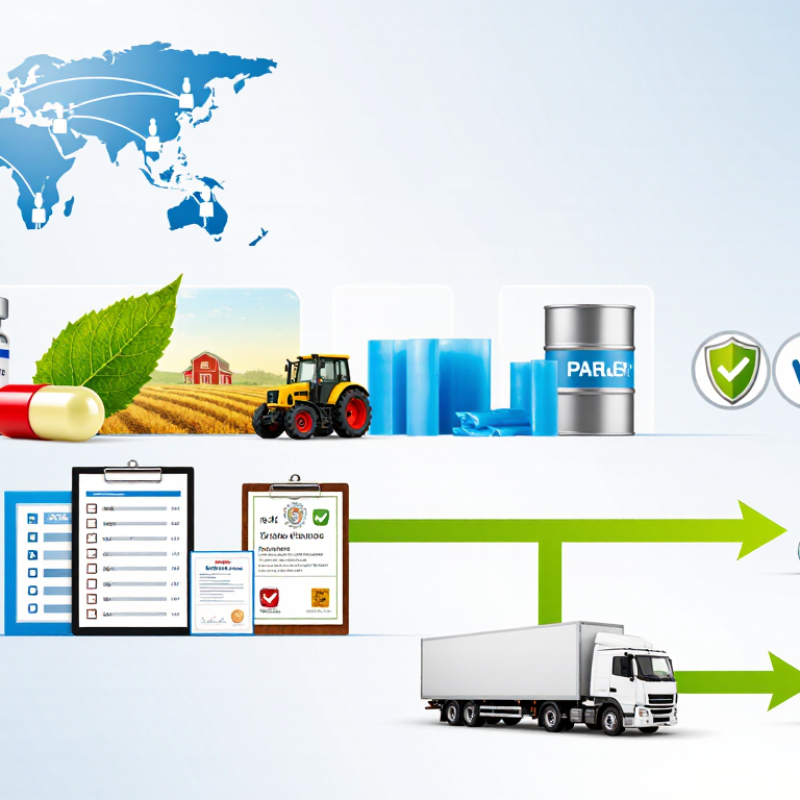
Global buyers also seek suppliers with verified technical systems. They review certificates of analysis, safety data sheets, batch records, and impurity profiles. They examine production controls, quality audits, and regulatory documentation before placing regular orders. Compliance with applicable chemical, workplace, transport, and environmental requirements remains essential. Responsible sourcing means more than finding available material. It requires traceability from the qualified manufacturer to the approved end user.
Dr. Paul Anastas, a leading green-chemistry expert, stated, “It is better to prevent waste than to treat or clean up waste after it has been created.” This principle applies strongly to phosgene derivatives. Buyers increasingly evaluate solvent use, process efficiency, waste handling, worker protection, and supplier transparency. These factors can influence long-term cost and reputation.
Yet sourcing decisions are rarely perfect. A lower quoted price may conceal longer lead times or weaker documentation. A premium supplier may still need closer technical review. Buyers must compare evidence, not promises. They should also reassess suppliers when regulations, energy costs, or customer expectations change. Trust develops slowly. It depends on consistent quality, clear communication, and responsible chemical management across every shipment.
What Are Phosgene Derivatives and Where Are They Used?
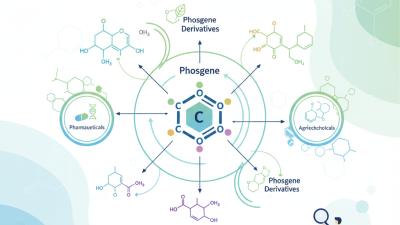
Phosgene derivatives are reactive building blocks made for controlled industrial chemistry. Common families include isocyanates, chloroformates, carbamoyl chlorides, and carbonate intermediates. They support polyurethane foams, coatings, adhesives, polycarbonate materials, crop-protection chemistry, and pharmaceutical synthesis. The chemistry is specialized, not mysterious. Yet handling requires closed systems, trained operators, and strict process controls.
Demand follows practical products. Polyurethane materials appear in insulation panels, vehicle seats, mattresses, and appliance components. MarketsandMarkets estimates the global polyurethane market could grow from about USD 78 billion in 2023 to USD 101 billion by 2028.
Polycarbonate demand also reflects lightweight electrical parts, safety glazing, and medical equipment. Grand View Research reports continued growth in this market through 2030, supported by construction, electronics, and transportation.
Global buyers therefore evaluate purity, batch consistency, technical support, and delivery reliability. A small impurity can affect color, curing, or polymer strength. That detail matters on a production line. Supply risk also encourages buyers to qualify multiple regional sources. The picture is not perfectly clean. Forecasts differ because analysts use different product boundaries and regional assumptions. Responsible procurement should verify specifications, safety documentation, storage conditions, and local compliance before purchase. Data reports guide decisions, but plant-level testing remains essential.
Why Do Global Industries Depend on Phosgene Derivatives?
Global industries depend on phosgene derivatives because they support essential materials used in daily life. These intermediates help produce polycarbonates, polyurethane components, specialty coatings, and selected pharmaceutical compounds. Their value comes from controlled reactivity and consistent performance. Small variations can affect color, strength, curing behavior, or final purity.
Reliable sourcing requires more than competitive pricing. Experienced buyers review technical specifications, batch consistency, storage conditions, and transport controls before approving a supplier. They also request certificates of analysis, safety data, production records, and clear lot traceability. These documents support responsible purchasing and help manufacturers meet strict quality systems. In regulated markets, supplier audits and transparent communication matter greatly.
The process is demanding. Very demanding.
Some companies still focus too heavily on availability. That approach can create hidden risks, including unstable quality, delayed production, and costly reformulation. A stronger sourcing strategy compares technical capability, compliance practices, emergency response, and long-term capacity. It also considers safer process design and waste reduction where practical. No supplier relationship is perfect. Buyers must keep reviewing performance, because market conditions, regulations, and customer expectations continue to change.
How Do Buyers Evaluate Quality, Safety, and Regulatory Compliance?
Global buyers sourcing phosgene derivatives examine more than price, capacity, or delivery speed. Quality begins with a complete certificate of analysis for every production lot. Buyers check assay, moisture, acidity, color, and key impurities against agreed specifications. Lot numbers should connect the material to production records, test results, and shipment documents.
Safety evidence must be practical, current, and easy to verify. A credible supplier provides a detailed safety data sheet, exposure guidance, emergency procedures, and compatible packaging information. Containers should arrive sealed, labeled, and free from corrosion or damage. Buyers may also review loading controls, storage conditions, worker training, and incident records. Small details matter.
Regulatory compliance requires country-specific review. Importers often verify registration status, hazard classification, transport documentation, and applicable chemical-control requirements before purchasing. They may request supplier declarations, third-party test reports, and records showing responsible waste handling. An audit can reveal gaps that polished documents hide. That happens.
A clean certificate is not enough. Testing methods must be suitable, traceable, and consistently applied. Buyers should question unusual specification changes, incomplete impurity data, or unexplained differences between lots. Independent laboratory testing can strengthen confidence, although it adds time and cost. No review is perfect. Human error, outdated regulations, and unclear responsibility can still create risk. Careful buyers keep written approval records and revisit them when the product, route, or destination changes.
Why Do Global Buyers Source Phosgene Derivatives?
Global buyers source phosgene derivatives because they provide controlled carbonyl-transfer chemistry while offering different physical forms, storage requirements, and process-handling options. Molecular weight is one practical screening factor for packaging, transport, dosing, and process design; final purchasing decisions also require verified purity, impurity limits, safety documentation, traceability, and regulatory compliance.
Representative molecular weights are calculated from standard chemical formulas: dimethyl carbonate (C3H6O3), diethyl carbonate (C5H10O3), 1,1′-carbonyldiimidazole (C7H6N4O), diphosgene (C2Cl4O2), and triphosgene (C3Cl6O3). Buyers should confirm current SDS and local regulatory requirements before procurement.
What Factors Influence Global Sourcing and Supplier Selection?
Global buyers source phosgene derivatives mainly for polycarbonates, isocyanates, pharmaceuticals, and specialty intermediates. Supplier selection depends on more than quoted price. According to UN Comtrade 2023 trade records, chemical imports remain highly concentrated along major manufacturing routes, making logistics resilience a practical concern. A delayed vessel can interrupt production within days. Buyers therefore examine production capacity, regional inventory, lead times, and transport conditions before signing contracts.
Quality consistency is equally important. Small variations in purity, moisture, or reactive content can change polymer performance and increase waste. The 2024 ICIS Chemical Business confidence survey highlighted continued pressure from energy costs, weak demand, and supply-chain uncertainty across chemical markets. These pressures encourage buyers to compare total delivered cost, not only the invoice price. Technical documentation, batch traceability, and responsive laboratory support also influence supplier approval. Documentation matters.
Regulatory capability often separates reliable suppliers from temporary low-cost options. Buyers expect current safety data, audited facilities, controlled packaging, emergency procedures, and evidence of lawful cross-border trade. Independent quality audits can reveal gaps that sales discussions hide. Some procurement teams still overemphasize price. That assumption deserves review. A cheaper material may create higher costs through rejected batches, storage delays, or process adjustments. The strongest sourcing decisions combine verified quality, dependable delivery, transparent compliance, and practical technical communication. According to the Deloitte 2024 Global Chemical Industry Outlook, operational resilience and disciplined cost management remain central priorities for chemical companies, though supplier scorecards still need better real-world testing.
How Are Supply Chains Managed for Reliable and Responsible Procurement?
Global buyers source phosgene derivatives for polymers, pharmaceuticals, coatings, and specialty materials. Reliable procurement depends on more than price. UNCTAD’s Review of Maritime Transport 2023 states that ships carry over 80% of global merchandise trade by volume. That exposure makes route planning, port selection, and hazard documentation essential. A delayed container can interrupt production for weeks.
Experienced procurement teams qualify suppliers through documented audits, batch traceability, and independent quality testing. They verify origin, transport classification, emergency contacts, and storage conditions before purchase. The World Bank’s Logistics Performance Index 2023 drew on 4,090 supply-chain professionals across 139 countries. Its framework highlights customs, infrastructure, shipment reliability, and tracking. These measures should appear in supplier scorecards. Not just delivery price.
Responsible sourcing also requires compliance screening across every handoff. Buyers should check applicable chemical, worker-safety, environmental, and export-control requirements in each jurisdiction. Digital records can connect purchase orders with certificates, inspection results, and delivery milestones. Useful, but imperfect. Data may still be incomplete. Small subcontractors are often overlooked. Regular reassessment matters because transport routes, regulations, and production risks change quickly. A practical contract can require incident reporting, corrective actions, and verified continuity plans without disclosing sensitive formulation details. Clear governance protects workers, customers, and nearby communities.