Buying phosgene chemical from China requires more than comparing prices, purity, or delivery dates. This material is extremely toxic and highly regulated. A responsible buyer must verify the supplier, intended use, legal authorization, and complete safety controls before any commercial discussion advances.
This guide is written for procurement managers, laboratory leaders, and industrial safety professionals. It focuses on supplier qualification, documentation, packaging integrity, transport compliance, emergency readiness, and traceable communication. Look for current Safety Data Sheets, batch records, quality certificates, export permits, and evidence of an audited management system. Do not rely on polished websites alone. A real supplier should answer technical questions clearly and provide verifiable records through authorized channels.
Safety comes first.
Buyers should confirm that their organization has trained personnel, approved facilities, compatible monitoring systems, and a documented emergency plan. Independent review is strongly recommended, especially when purchasing across borders. Local Chinese authorities, customs professionals, and qualified dangerous-goods advisers can clarify requirements that online summaries may miss. This guide does not replace legal advice, regulatory approval, or site-specific risk assessment. It also does not provide production, release, or exposure instructions. That limitation matters.
Even experienced teams can overlook a small detail, such as an outdated certificate or unclear consignee information. Careful review reduces that risk. The safest purchasing decision may sometimes be delaying the order until every document, responsibility, and control is confirmed. Reliable sourcing is not merely efficient; it protects workers, communities, and the buyer’s long-term reputation.
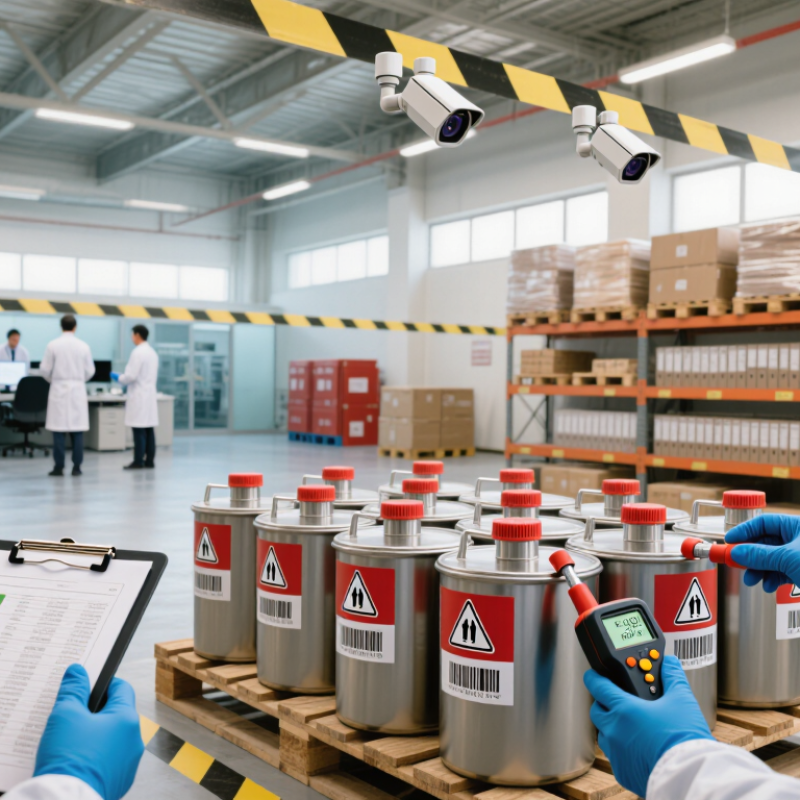
Phosgene is a highly toxic industrial chemical with a sharp, suffocating odor. Odor is not a reliable warning. It can damage the lungs after delayed exposure. Manufacturers use it in controlled production of polycarbonate materials, agricultural intermediates, and specialty chemicals. These applications require closed systems, trained operators, and strict process monitoring. Buyers should treat phosgene as a high-risk material, not an ordinary bulk product.
A responsible buyer checks the supplier’s legal registration, technical capability, safety data, and emergency support. Request current specifications, packaging details, transport documents, and storage requirements. Confirm that the facility has leak detection, ventilation, remote isolation, and suitable respiratory protection. Local authorities may require permits, reporting, and approved transport routes. Never rely on a low price or a polished website. A document can look complete and still hide weak controls. I have found that unclear emergency contacts often reveal deeper safety problems.
Tips: Use a written supplier audit before purchase. Ask how leaks are detected and contained. Verify worker training records and equipment inspections. Keep quantities as low as practical. Store the material in a secured, monitored area. Build an emergency plan with local responders before delivery. Review the plan after drills, because the first version is rarely perfect. Do not accept damaged containers, missing labels, or unexplained specification changes. A qualified industrial hygienist should review the purchase and site conditions.
Buying phosgene-related chemicals in China requires more than comparing price and purity.
Phosgene is an extremely toxic substance, so procurement must follow applicable Chinese hazardous-chemical controls and local safety requirements. In practical supplier reviews, buyers should verify the supplier’s registered business scope, hazardous-chemical permits, production or use qualifications, and current safety-management records. Documents should match the actual facility and product.
Ask for a recent Chinese SDS, compliant hazard labels, batch traceability, and documented quality results. Check whether the supplier has suitable storage, leak-detection systems, emergency equipment, trained personnel, and written incident procedures. Transport also requires qualified carriers, approved packaging, route controls, and complete shipping records. A certificate alone is not enough. Visit the site when possible, or arrange an independent inspection. Some buyers skip this step, and that can create serious blind spots.
Tips: Confirm permit validity directly with the relevant authority. Compare the SDS with the container label. Request training records and emergency-drill evidence. Review insurance and recall procedures. Keep a written audit trail for every approval. Regulations and local interpretations can change, so obtain current advice from qualified Chinese chemical-safety professionals before signing a contract. Suppliers should also disclose subcontractors, storage locations, and any compliance gaps honestly. Perfect paperwork does not always mean perfect practice.
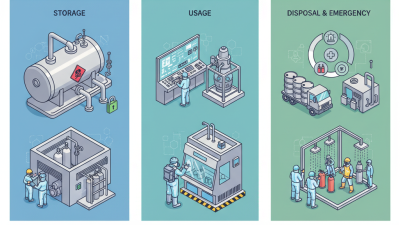
Safe purchasing begins with verified hazard documents, not a low quotation. Require a current SDS, batch traceability, cylinder inspection records, and emergency contact details. NIOSH’s Pocket Guide lists phosgene’s IDLH concentration at only 2 ppm. That margin is small. Packaging should use approved pressure-resistant cylinders, protected valves, secure caps, and leak-tested connections. Add secondary containment where practical. Do not accept damaged, unlabeled, or improvised containers.
Storage areas need cool temperatures, dry floors, mechanical ventilation, fixed gas detection, and restricted access. Keep cylinders upright and secured against impact. Separate phosgene from incompatible chemicals and ignition sources. The WHO/IPCS Environmental Health Criteria 193 describes phosgene exposure as capable of causing delayed lung injury. A worker may appear well, then deteriorate later. That detail should shape medical observation procedures.
Transport plans should specify route control, vehicle restraints, driver training, and emergency communication. Confirm current Chinese dangerous-goods requirements and applicable international rules before shipment. Emergency controls need alarms, evacuation distances, remote shutoff systems, supplied-air or positive-pressure breathing equipment, and trained responders. Never investigate a suspected leak alone. NIOSH exposure guidance is useful, but it cannot replace site-specific modeling. A checklist can still miss a loose valve. Buyers should audit the supplier, carrier, and receiving site together, then repeat the review after any equipment or personnel change.
Evaluating a China-based phosgene supplier requires more than comparing prices. Start with legal authorization, facility ownership, and current chemical safety permits. Ask for evidence. Request an English SDS, recent certificate of analysis, batch traceability, and documented quality procedures. The supplier should explain how it controls access, storage, packaging, and trained personnel without revealing unsafe operational details.
Visit the production site when possible, or arrange an independent audit. Inspect warning signs, sealed transfer systems, gas detection equipment, emergency showers, ventilation controls, and clearly marked evacuation routes. Review incident records and emergency drills, not just glossy brochures. Safety comes first. Confirm that transport partners hold appropriate dangerous-goods credentials and provide sealed, trackable shipments. Check whether the supplier has written procedures for leaks, exposure, rejected batches, and communication with local emergency services.
Technical discussions should include purity limits, impurity testing, container inspection, delivery consistency, and change-control notices. Ask who approves each release and how records are retained. A supplier that avoids specific answers deserves caution. A polished website can create false confidence; that is an easy mistake during rushed purchasing. Independent laboratory verification may add cost, yet it can reveal moisture, contamination, or labeling problems before acceptance. Keep every approval, inspection report, and communication in one controlled file. Never rely on verbal promises alone.
China Top Phosgene Chemical Safety Guide for Buyers
Buying phosgene-related chemicals requires strict due diligence, not just price comparison. Confirm that the supplier is legally registered for the relevant industrial activity. Request a current safety data sheet, certificate of analysis, product specification, and batch traceability records. These documents should match the quoted material, packaging, and shipment details. Check the issue dates carefully. Old documents create avoidable uncertainty.
Ask for evidence of compliant storage, trained personnel, and documented emergency procedures. A serious supplier should explain how incidents are reported and how customers receive technical support. Review transport classifications, approved containers, labeling, and export documentation with qualified compliance professionals. Independent laboratory verification can confirm identity and key quality parameters before acceptance. Small sample checks matter.
Risk management should continue after delivery. Keep receiving records, inspection photos, inventory logs, and staff training records. Establish clear rejection criteria for damaged packaging or inconsistent documentation. Never rely on verbal assurances alone. A checklist helps, but it is not perfect. Missing one document can delay a shipment or expose workers to serious harm. Buyers should also review insurance coverage and local regulatory duties with an experienced adviser. Safety decisions deserve written evidence, careful questioning, and periodic reassessment.
Contact our team with questions, product inquiries or challenge us to engineer a solution for you.
Tel: +1 716 433 6764
Fax: +1 716 433 2850
Email: sale@ashymed.com
VanDeMark Chemical Inc.
One North Transit Road
Lockport, NY 14094 USA