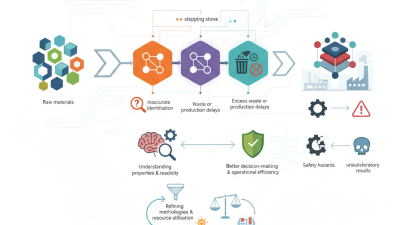
Buying chemicals across borders can look straightforward until a shipment pauses over one missing document. A product name, a safety data sheet, and a supplier’s assurance may not tell the whole story. Global buyers must check whether product composition, classification, packaging, labels, and intended use match the requirements of each destination market. Details matter. A drum label at a warehouse dock can reveal a mismatch that a polished sales brochure never mentions.
This guide introduces practical chemical compliance checks for buyers sourcing internationally in 2026. It explains how to request current technical documents, review supplier declarations, track product and batch details, and identify questions that need expert attention. Requirements differ by jurisdiction and can change, so this overview is not a substitute for guidance from relevant authorities or qualified professionals. Keep records, confirm details in writing, and use official sources when a rule is unclear. A checklist helps, but it cannot make a weak supplier reliable. In practice, files are rarely as tidy as we want; a translation may be old, or a specification may omit a crucial detail. That is worth checking twice. With careful verification and clear communication, buyers can reduce avoidable delays, protect workers and customers, and make more informed sourcing decisions.
Chemical compliance in 2026 is not a single certificate kept in a filing cabinet. For global buyers, it means checking whether product information, safety documents, labels, and shipment records match the destination market. Details matter. A tiny mismatch in a product identifier or a missing revision date can delay a review and create confusion across teams. Requirements also vary by substance, intended use, and country, so buyers should confirm current rules with qualified specialists before placing orders.
A practical review starts with a clear document trail: request current safety data sheets, ingredient or composition information where applicable, and evidence supporting supplier declarations. Check that names, product codes, and hazard information are consistent across documents and packaging. Keep dated copies, record who verified each item, and ask suppliers to explain changes rather than relying on old files. Small omissions matter. A packet can look complete while one field is outdated; that gap deserves honest attention. No checklist guarantees a smooth shipment, but regular reviews and direct communication make issues easier to spot before goods move.
Global chemical compliance is not one checklist. Requirements depend on destination, intended use, ingredients, and concentration. A coating for factory equipment may face different rules from a household cleaner. Start with a product inventory: chemical identity, CAS number, concentration range, application, packaging, and annual volume. Small details matter. A missing concentration range can delay a classification review.
Build a market-by-market matrix for each destination country or customs region. Track substance registration, hazard classification, label language, safety data sheet format, packaging, and import notification duties. Then add category-specific checks. An adhesive, a cosmetic ingredient, and an electronics cleaner may follow different assessment paths, even when they share a solvent. Keep evidence close: supplier declarations, test reports, revision dates, and the official sources consulted. Dates matter.
For 2026 shipments, verify requirements against current regulator guidance and confirm interpretation with a qualified local compliance professional. Rules and transition periods can change. Avoid relying on a single translated summary. A spreadsheet is useful, but it cannot resolve ambiguous ingredient names or conflicting market advice. Supplier data may be incomplete, and a neat matrix can still hide uncertainty. Mark unresolved items, assign an owner, and recheck before formulation or label changes.
Global chemical trade moves through long, layered supply chains, so a polished product sheet is not enough. UNEP’s Global Chemicals Outlook II reports that worldwide chemical sales reached about US$5 trillion in 2017 and could double by 2030. More products mean more records to verify. Details matter. Check that the supplier’s legal name, manufacturing site, and product identifiers match across quotations, labels, and certificates. Ask for current safety data sheets, technical data, and batch-specific certificates of analysis. Confirm revision dates and whether test results cover the exact grade being purchased.
Safety documents should be readable, internally consistent, and suitable for the destination market. Compare hazard statements, handling guidance, and composition details across the SDS, label, and product specification. A mismatch may be a clerical error, but it deserves clarification before shipment. Verify certificates with their issuer where possible, and record who approved each document. Keep the trail. Supplier credentials should also include quality-system evidence, audit scope, and a clear process for notifying buyers about formulation or site changes. No single certificate proves every claim.
Tips: Request a document pack before placing an order, then sample-check it against a delivered batch. Save dated copies and flag expired or unsigned files. Ask one precise question at a time; rushed checks can miss small inconsistencies. A spreadsheet helps, but it cannot replace a careful review by trained staff.
2026 Best Chemical Compliance Guide for Global Buyers?
Meeting Requirements for Import, Labeling, Packaging, and Transport
Chemical shipments can be delayed when product documents, labels, and packaging describe different hazards. Before placing an order, ask the supplier for a current safety data sheet and confirm the product’s composition and intended use. Check the destination market’s classification and import documentation requirements with official authorities or a qualified compliance professional. Rules vary by country. They can change, too.
Labels should match the applicable hazard classification and use the required language, signal words, and precautionary statements. Compare every label with the safety data sheet, including product identifiers and supplier contact details. Small errors matter. A missing label on a single inner container can create problems during inspection or handling. Packaging must suit the substance and shipment conditions; verify closures, compatibility, and any required performance standards before dispatch.
Transport planning needs the same care. Confirm the shipment’s transport classification, documentation, and carrier requirements before booking, and ensure staff can access emergency information. Keep records of label approvals, packaging checks, and supplier confirmations. In practice, teams sometimes rely on an old template because it worked last year. That is convenient, but not reliable. Recheck requirements for each destination and shipment, and document uncertainties rather than guessing.
Use this overview to plan compliance checks. Requirements depend on the substance, mixture, intended use, quantity, and transport mode. Confirm current rules with the relevant authorities or a qualified compliance professional before shipment.
| Market or stage | Import and market-access checks | Classification, label, and safety information | Packaging and transport checks | Key official framework |
|---|---|---|---|---|
| European Union / EEA | Check REACH obligations, substance identity, restrictions, authorisation requirements, and any applicable registration duty. Registration generally applies to manufacturers or importers at one tonne or more per year per substance, subject to scope and exemptions. Confirm who is the importer and whether an Only Representative arrangement applies. | Classify and label under CLP where applicable. Supply a compliant Safety Data Sheet (SDS) when required; provide the appropriate language for the destination market. For certain hazardous mixtures, verify poison-centre notification and Unique Formula Identifier (UFI) requirements. | Determine whether the goods are dangerous goods for transport. Apply the relevant ADR, RID, IMDG Code, or ICAO Technical Instructions requirements, including packaging, marks, labels, and documentation where applicable. | REACH Regulation (EC) No 1907/2006; CLP Regulation (EC) No 1272/2008; applicable dangerous-goods modal rules. |
| United States | Check TSCA inventory status, applicable exemptions, restrictions, and any required premanufacture or significant new use notifications. Importers may need to make a TSCA import certification, depending on the shipment and applicable rules. | For workplace chemicals, apply OSHA Hazard Communication requirements, including hazard classification, labels, and SDSs where applicable. Consumer products and other regulated uses may have additional federal or state requirements. | For hazardous materials in commerce, follow U.S. Department of Transportation Hazardous Materials Regulations for classification, packaging, marks, labels, shipping papers, and training as applicable. | TSCA; OSHA Hazard Communication Standard (29 CFR 1910.1200); U.S. DOT Hazardous Materials Regulations (49 CFR Parts 171–180). |
| Canada | Check whether the substance is listed on the Domestic Substances List and whether notification, assessment, or other obligations apply under CEPA. Verify any substance-specific restrictions and the importer’s responsibilities. | Workplace hazardous products are subject to WHMIS supplier requirements, including applicable classification, bilingual supplier labels, and SDSs. Confirm the required languages and content for the Canadian market. | Check Canadian Transportation of Dangerous Goods requirements, including classification, means of containment, safety marks, shipping documents, and training where applicable. | Canadian Environmental Protection Act, 1999 (CEPA); Hazardous Products Act and Hazardous Products Regulations; Transportation of Dangerous Goods Act and Regulations. |
| Great Britain | Check the applicable UK REACH registration, restriction, and authorisation requirements, including the legal role of the GB importer. Northern Ireland may follow different arrangements; confirm the destination before applying GB-specific requirements. | Check the applicable GB CLP classification, labeling, and packaging rules and provide required SDS information for the intended market and user. | Apply the relevant UK requirements for road, rail, sea, or air transport of dangerous goods. Verify packaging, marks, labels, documentation, and carrier conditions for the shipment route. | UK REACH; GB CLP; applicable UK dangerous-goods regulations and modal rules. |
| China | Check whether the substance is new or listed in the relevant existing-substance inventory, and whether new-substance environmental management registration or other controls apply. Also check the current catalogue and permits for hazardous chemicals where relevant. | Confirm applicable Chinese classification, hazard-label, and SDS standards and prepare required information in Chinese. Verify any additional controls linked to the chemical’s use or hazard class. | Check China’s applicable rules for hazardous chemicals and dangerous goods, including packaging, inspection, markings, transport documents, and mode-specific requirements. | MEE Order No. 12 for environmental management of new chemical substances; applicable hazardous-chemical regulations and GB standards. |
| International transport | Identify the origin, transit countries, destination, carrier, and transport mode. Confirm whether the material meets the dangerous-goods criteria for each applicable leg; chemical workplace hazard classification alone does not determine transport status. | Use the transport classification required by the applicable modal rules. Match the proper shipping name, UN number, hazard class, and packing group when assigned; do not infer these solely from an SDS hazard label. | Use packaging authorized for the substance and mode, including required UN performance-tested packaging where applicable. Check marks, labels, segregation, quantity limits, emergency information, and dangerous-goods documentation. | UN Recommendations on the Transport of Dangerous Goods; ADR (road), RID (rail), IMDG Code (sea), and ICAO Technical Instructions (air), as implemented by applicable law. |
| Buyer’s shipment file | Record the exact substance or mixture identity, composition information needed for compliance, intended use, annual volume, importer of record, destination, and applicable registrations or notifications. | Collect the current SDS, classification rationale, market-specific label artwork, required translations, and evidence that label and SDS revisions are consistent. | Retain the transport classification decision, packaging specification, package marks and labels, shipping documents, and any required training or carrier approvals. | Maintain controlled, version-dated records and recheck them when composition, supplier, destination, intended use, or regulations change. |
Compliance is not a one-time document check; it is a living control for every material, supplier, and destination market. UNEP’s Global Chemicals Outlook II put 2017 global chemical sales at about US$5 trillion. It projected sales could double by 2030. More trade brings more chances for formulations, labels, or local requirements to change. Keep a dated file for each product: its current safety data sheet, composition declarations, test results, supplier identity, and destination-specific review. Record who checked each item and when. Small details matter.
Monitoring should follow changes, not calendars alone. Set alerts for revised requirements, supplier notifications, formulation changes, and new shipment destinations. Document each decision, its owner, supporting evidence, and next review date. UNEP also estimated that health impacts from exposure to selected chemicals cost about US$1.3 trillion in 2016. That figure is not a compliance budget, but it shows why traceable evidence matters. During a buyer audit, a version-controlled safety data sheet and batch-linked test record can answer more than a polished policy. Records can still be incomplete or stale. Check sample entries against actual shipments, and flag uncertainty instead of quietly filling gaps.
Contact our team with questions, product inquiries or challenge us to engineer a solution for you.
Tel: +1 716 433 6764
Fax: +1 716 433 2850
Email: sale@ashymed.com
VanDeMark Chemical Inc.
One North Transit Road
Lockport, NY 14094 USA