What is Specialty Material and How to Source It Globally?
Specialty materials play a crucial role in various industries, driving innovation and product performance. According to a report by MarketsandMarkets, the global specialty materials market is projected to reach $1 trillion by 2025, highlighting the growing demand in sectors like aerospace and electronics. Experts emphasize the importance of sourcing these materials effectively. Dr. Emily Chen, a leading authority in the field, stated, "Accessing high-quality specialty materials is essential for maintaining competitive advantages."
However, sourcing specialty materials globally comes with challenges. Quality assurance, supplier reliability, and cost fluctuations are key concerns. Stakeholders must navigate complex supply chains to secure the right materials at the right price. While options are abundant, the need for strategic partnerships is evident. Companies sometimes overlook the importance of understanding regional regulations, which can lead to costly compliance issues.
Thus, businesses must remain vigilant. They must prioritize due diligence in supplier selection and quality assessment. As Dr. Chen notes, fostering strong relationships with reliable suppliers can greatly enhance the efficiency of sourcing specialty materials. Navigating this market requires both expertise and adaptability to achieve sustainable outcomes.

Definition and Characteristics of Specialty Materials
Specialty materials are distinct substances that have unique properties. They are designed for specific applications across various industries. These materials often offer enhanced performance, durability, or efficiency. For instance, composites, polymers, and advanced alloys fall into this category. Each type serves different functions, driving innovation in technology, aerospace, and healthcare.
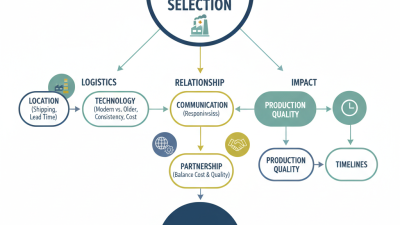
The sourcing of specialty materials is complex. Identifying reliable suppliers is essential. Factors like material specifications, cost, and production capabilities must be considered. Communication with suppliers is crucial to understand their expertise. It’s important to evaluate material quality through rigorous testing and certifications. While many suppliers claim to offer specialty materials, not all can meet the required standards. Ultimately, building a network of trustworthy partners can ensure access to high-quality materials.
Companies must also adapt to the evolving market demands. Trends shift, and new materials emerge. Keeping abreast of technological advancements is vital. Relying solely on traditional materials can hinder progress. Embracing new solutions might involve risks, but it can lead to significant benefits. Investing time in research and development is one way to stay competitive. The journey to find the right specialty materials is intricate but rewarding.
Types of Specialty Materials and Their Applications
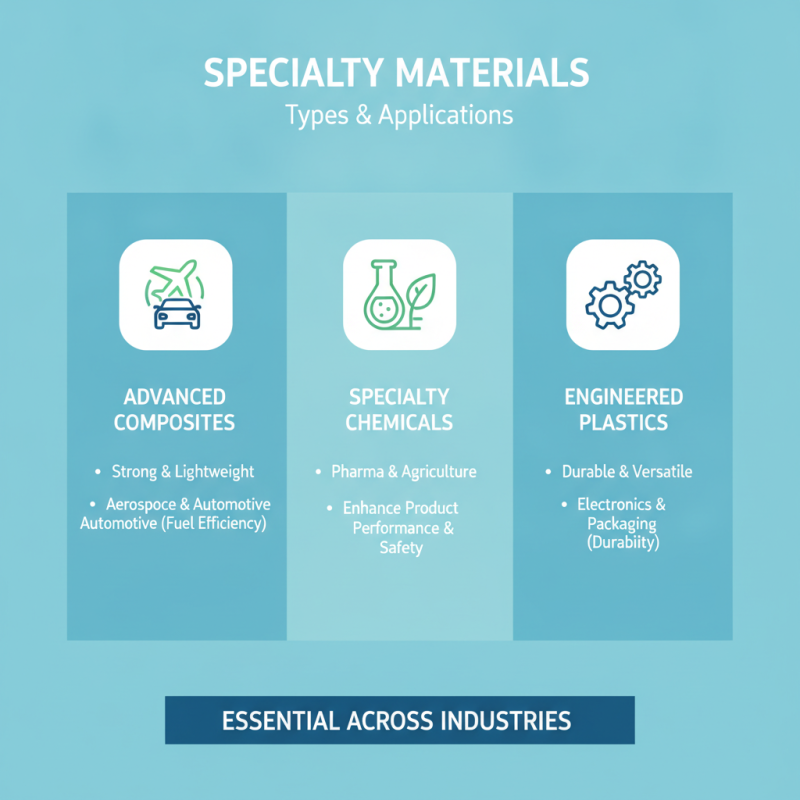
Specialty materials are essential across various industries. These include advanced composites, specialty chemicals, and engineered plastics. Each type has unique properties and applications. Advanced composites are strong yet lightweight. They are used in aerospace and automotive sectors for better fuel efficiency. Specialty chemicals play a vital role in pharmaceuticals and agriculture. They enhance product performance and safety.
Engineered plastics, known for their durability, are found in electronics and medical devices. These materials often require specialized processing techniques. Sourcing globally can offer a diverse range of specialty materials, but challenges exist. Quality control is crucial. Suppliers vary significantly in standards and capabilities. Mismatches in expectations can occur. This requires thorough vetting of potential suppliers.
Navigating international trade regulations is another hurdle. Countries have restrictions on certain materials that can complicate sourcing efforts. Understanding these laws is imperative. However, the global market can lead to innovative material solutions. Researching potential suppliers through industry networks may uncover lesser-known options. Balancing cost, quality, and timely delivery is necessary for a successful sourcing strategy.
Global Sourcing Strategies for Specialty Materials
Sourcing specialty materials globally requires a strategic approach. Companies must identify regions with unique resources or specific expertise. For instance, materials like high-performance alloys or biodegradable composites may be concentrated in particular areas. Understanding local production capabilities can lead to better sourcing decisions.
Networking with local suppliers enhances visibility. Attending trade shows and industry events can connect businesses with key players. Often, these relationships foster trust and reliability. However, navigating cultural differences can be challenging and may require flexibility in communication styles.
It's vital to assess potential suppliers rigorously. Quality assurance practices can vary greatly across regions. Companies should insist on transparency regarding sourcing processes and certifications. This ensures that materials meet necessary standards. Engaging in direct dialogues can uncover potential issues. Reflecting on these experiences can aid in refining sourcing strategies.
Challenges in Sourcing Specialty Materials Across Borders
Sourcing specialty materials globally can be challenging. Different countries have varying regulations. These regulations may complicate the import and export processes. Additionally, language barriers often lead to misunderstandings. Clear communication is crucial, yet it can be difficult when teams are across borders.
Quality assurance poses another hurdle. Each country has distinct standards and certifications. A material considered acceptable in one region might not meet the criteria elsewhere. This inconsistency can result in delays or even project failures. Suppliers may also lack transparency, making it tough to confirm material origins or properties.
Logistics adds another layer of complexity. Shipping delays can disrupt production schedules. Tariffs and trade disputes can inflate costs unexpectedly. Companies must develop flexible strategies to mitigate these risks. It's essential to establish reliable partnerships and remain adaptable in sourcing specialty materials.
What is Specialty Material and How to Source It Globally? - Challenges in Sourcing Specialty Materials Across Borders
| Material Type |
Common Applications |
Key Sourcing Regions |
Challenges in Sourcing |
| High-Performance Plastics |
Aerospace, Automotive, Electronics |
North America, Europe, Asia |
Regulatory Compliance, Quality Assurance |
| Specialty Metals |
Medical Devices, Defense |
Asia, South America, Europe |
Supply Chain Disruptions, Export Restrictions |
| Advanced Ceramics |
Semiconductors, Telecommunications |
Asia, North America |
High Production Costs, Technological Barriers |
| Composite Materials |
Construction, Sports Equipment |
Europe, Asia |
Availability of Raw Materials, Environmental Concerns |
Future Trends in Specialty Materials and Sourcing Practices
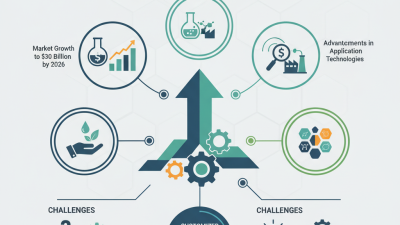
The specialty materials market is evolving rapidly. Reports indicate that the global demand for specialty materials will reach USD 1 trillion by 2025. This growth is driven by industries such as aerospace, electronics, and healthcare, which require innovative and high-performance materials. Sourcing these materials globally is essential for companies to stay competitive.
Future trends indicate a shift towards sustainable and eco-friendly sourcing practices. Companies are increasingly looking for suppliers who prioritize environmental stewardship. A survey shows that 72% of industry leaders are investing in sustainable material options. Collaboration with suppliers committed to sustainability can enhance brand reputation and customer loyalty.
Tips: Focus on building long-term relationships with suppliers. This approach fosters trust and ensures a more reliable material supply chain. Regularly evaluate your sourcing strategies to adapt to market changes. Embrace digital sourcing platforms that provide real-time data and insights.
Another important trend is the rise of advanced manufacturing technologies. Innovations such as 3D printing are transforming how specialty materials are sourced and utilized. These technologies can help reduce waste and improve production efficiency. However, companies must remain cautious and evaluate the reliability of new materials before full-scale adoption.
Global Sourcing Trends in Specialty Materials (2023)