How to Use HPMC in Construction and Building Applications?
In the world of construction, the use of HPMC (Hydroxypropyl Methylcellulose) is increasingly valued. According to Dr. Emily Carter, a leading expert in construction materials, “HPMC enhances performance and workability in various applications.” This compound serves as an essential additive, improving properties in cement, tile adhesives, and other building materials.
HPMC is known for its water-retention capability, which is critical for achieving optimal bonding. Yet, misconceptions still exist regarding its appropriate application. Some professionals may underestimate the importance of adhering to proper mixing guidelines. This oversight can result in compromised structural integrity.
Moreover, while HPMC offers numerous advantages, it is not a one-size-fits-all solution. Different construction projects may require tailored formulations. The variability in environmental conditions, such as humidity and temperature, can also impact HPMC's effectiveness. Thus, understanding its properties and limitations is crucial for construction experts aiming to maximize its benefits.
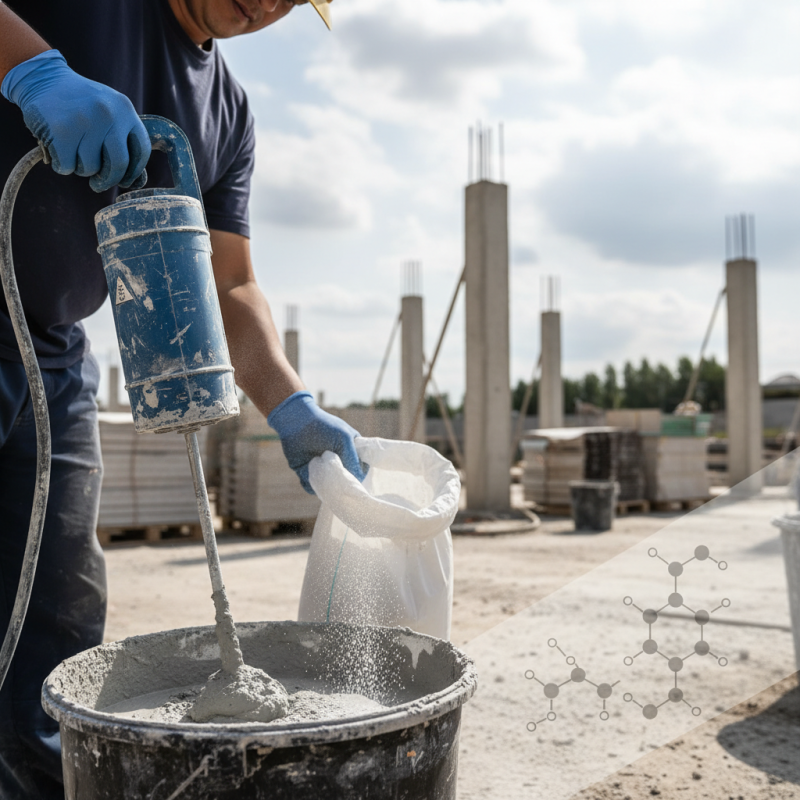
Introduction to HPMC and Its Properties in Construction
Hydroxypropyl methylcellulose (HPMC) is a versatile additive in construction. It improves workability and enhances adhesion. Its unique properties make it valuable in various applications like cement, plaster, and tile adhesives. According to a recent industry report, HPMC enhances water retention by up to 30%. This prevents premature drying, ensuring better performance.
The chemical structure of HPMC provides excellent thickening abilities. The viscosity of HPMC solutions makes them easy to handle. For example, it allows for smooth application in mortars and grouts. A study found that using HPMC can increase the tensile strength of cement mortar by 15% compared to traditional mixtures. However, one must be cautious with dosage; too much can lead to a greasy feel and poor adhesion.
HPMC also offers improved open time, which is critical in construction. Workers can apply materials without rushing. Increased flexibility allows for better adjustments during installations. Yet, if improperly mixed, HPMC can clump. This inconsistency can lead to application issues. Proper training on mixing is essential to maximize benefits.
Applications of HPMC in Adhesives and Mortars
Hydroxypropyl Methylcellulose (HPMC) has become essential in construction, particularly in adhesives and mortars. Its unique properties improve the workability and adhesion of construction materials. Reports indicate that incorporating HPMC can enhance the adhesive strength of mortars by up to 30%. This makes HPMC a prized ingredient for contractors looking for reliable bonding solutions.
In tile adhesives, HPMC acts as a thickener and retarder. This ensures better control during application and extends the open time for placement. The swelling capacity of HPMC ensures that water retention is optimal, leading to better curing of cement-based products. When it comes to dry mixes, HPMC contributes to reducing water usage while maintaining performance levels. Also considered is the potential for air retention. The fine particles of HPMC may trap air, which could weaken the final product if not used cautiously.
Tips: Always test your formulations. Slight variations in HPMC concentration can lead to significant changes in final properties. An unexpected drop in viscosity could cause application issues. Therefore, pilot tests are crucial. Additionally, consider hydration time. Insufficient hydration may impact adhesion strength. Keep these factors in mind to avoid suboptimal results.
How to Use HPMC in Construction and Building Applications? - Applications of HPMC in Adhesives and Mortars
| Application Area | HPMC Benefits | Typical Dosage | Properties Enhanced |
| Tile Adhesives | Improves Workability and Adhesion | 0.5% - 2.0% | Water Retention, Open Time |
| Cement Mortars | Enhances Workability and Pumpability | 0.5% - 1.5% | Flexibility, Strength Development |
| Plastering Compounds | Reduces Shrinkage and Cracking | 0.3% - 1.0% | Surface Finish, Durability |
| Joint Fillers | Improves Flexibility and Adhesion | 1.0% - 3.0% | Crack Resistance, Bond Strength |
| Self-Leveling Compounds | Enhances Flowability and Consistency | 0.4% - 1.2% | Surface Uniformity, Reduced Bubble Formation |
Using HPMC in Plaster and Render Mixes
Hydroxypropyl Methylcellulose (HPMC) is essential in plaster and render mixes. It enhances the workability of these materials. When added, it improves adhesion and flexibility. This results in smoother finishes. Plastering becomes easier, especially on uneven surfaces. Contractors appreciate its ability to maintain moisture during curing. This is crucial for durability.
Working with HPMC can be tricky at times. It requires precise measurements for optimal results. Too much can cause slumping, leading to poor finishes. Not enough can lead to difficulty in application. It’s vital to find the right balance. Proper mixing techniques are also necessary. Avoid clumping by adding HPMC slowly into water. Stir constantly for even consistency. This can be challenging for those new to using it.
Applying plaster with HPMC involves careful consideration of conditions. Humidity and temperature can affect drying times. Each project may bring unexpected challenges. Observing how HPMC performs under different conditions helps refine techniques. Embracing imperfections can lead to better practices. Testing small batches can save time and resources during larger projects. Thus, experience becomes a valuable teacher.
Usage of HPMC in Construction Applications
Incorporating HPMC in Concrete and Grouting Solutions
Hydroxypropyl methyl cellulose (HPMC) plays a key role in concrete and grouting solutions. This versatile polymer enhances the performance of building materials. It improves workability, adhesion, and water retention. Adding HPMC to cement-based mixtures can lead to stronger, more durable structures.
In grouting applications, HPMC helps control the viscosity of the mixture. This ensures a smoother flow and better filling of voids. It aids in preventing segregation. However, overusing HPMC may result in a weaker grip between layers. It’s crucial to test different ratios for optimal performance. Adjusting HPMC quantities can lead to varying results, and finding balance is essential.
Concrete mixtures using HPMC require careful mixing to achieve desired properties. Inadequate blending can cause inconsistent hydration. This could lead to unexpected weaknesses. Always monitor conditions during application. External factors like temperature and humidity affect the final outcome. Experimenting with HPMC can yield impressive results, yet it demands attention.
Advantages of HPMC in Building Materials and Sustainability
Hydroxypropyl Methylcellulose (HPMC) plays a vital role in construction and building applications. Its use in building materials contributes significantly to sustainability. HPMC enhances workability and improves adhesion in various mixtures. This leads to better performance of construction materials like mortars and tiles. Reduced water usage is also a key benefit. Sustainable practices often require less water, and HPMC helps achieve this goal.
Moreover, HPMC can contribute to energy efficiency. When used in insulation products, it adds to thermal properties, keeping buildings warm in winter and cool in summer. This can reduce energy consumption over time. However, it's essential to evaluate the sourcing of HPMC. While it offers many benefits, the production process can have an environmental impact. Transparency in sourcing is crucial for a truly sustainable approach.
The versatility of HPMC allows for many applications, but this flexibility can be a double-edged sword. Not all forms of HPMC are suitable for every project. It requires careful consideration of the project's specific needs. Identifying the right formulation can lead to optimal results. Balancing performance and environmental impact remains a challenge for many builders. Continuous reflection on these choices will guide better practices in the future.
