How to Use Beeswax for Cosmetics and Skincare Products?
In the realm of skincare, beeswax plays a crucial role. Renowned industry expert Dr. Sarah Mitchell states, “Beeswax for cosmetics is nature's secret ingredient.” This natural substance provides a multitude of benefits for cosmetic formulations. Beeswax acts as a natural emulsifier, binding oil and water together effectively.
Moreover, it creates a protective barrier on the skin. This barrier locks in moisture while shielding against environmental stressors. Many skincare enthusiasts appreciate how beeswax enhances product stability. However, the sourcing of beeswax raises concerns. Sustainability is key in the beeswax industry. It's essential to ensure ethical beekeeping practices.
Incorporating beeswax into cosmetics also invites creativity. Different formulations may react differently. Some may find beeswax too thick for their needs, while others love its richness. Understanding these nuances fosters better product choices. Embracing beeswax for cosmetics opens up new opportunities for beauty innovation. Still, ongoing research and feedback are vital to refine these applications.
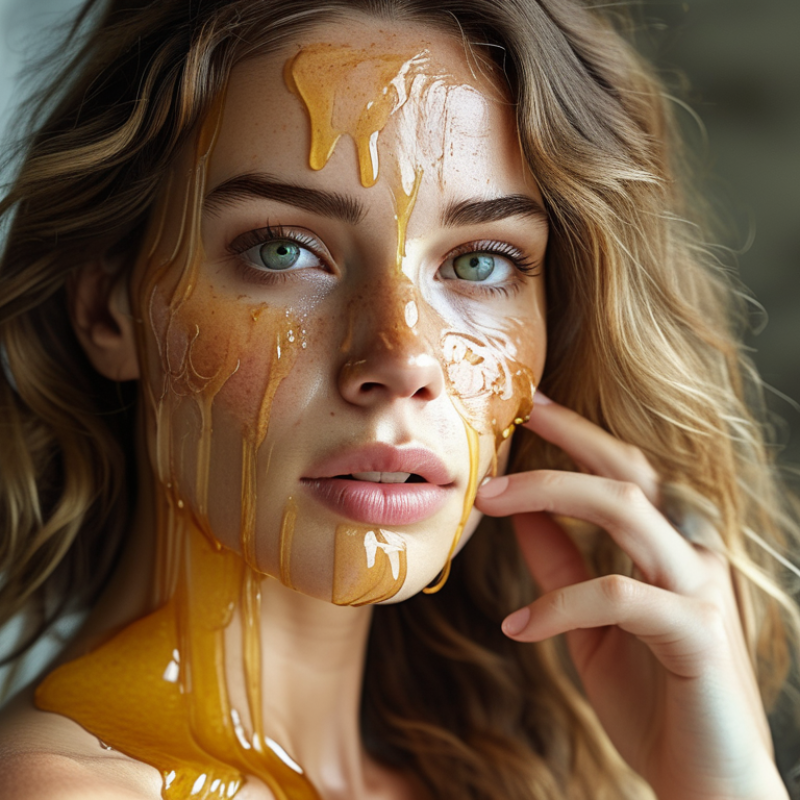
Benefits of Beeswax in Cosmetics and Skincare Products
Beeswax is a natural agent widely used in cosmetics and skincare. It holds a significant place in the industry, with around 25% of all cosmetic formulations containing waxes. Its natural properties provide multiple benefits that are hard to overlook.
One notable advantage of beeswax is its ability to create a protective barrier on the skin. This barrier helps to lock in moisture, preventing dryness and irritation. Studies indicate that products with beeswax can lead to a decrease in trans-epidermal water loss, especially in environments with low humidity. Additionally, beeswax's anti-inflammatory properties can soothe irritated skin. This makes it an attractive ingredient for products targeting conditions like eczema and psoriasis.
Moreover, beeswax is non-comedogenic, meaning it does not clog pores. This is crucial for individuals with oily or acne-prone skin. An analysis by the Cosmetic Ingredient Review found that beeswax generally has a low risk of causing skin irritation or allergies. However, it’s important to source high-quality beeswax. Impurities can negate these benefits and lead to unwanted reactions. Thus, while beeswax is praised, care must be taken to ensure its quality in formulations.
How to Source High-Quality Beeswax for Your Formulations
When sourcing high-quality beeswax for cosmetics and skincare, focus on purity and origin. Look for beeswax that is organic and free from additives. Raw beeswax often contains pollen and propolis. These components add beneficial properties but can vary in quality.
Visit local beekeepers or farmers' markets. Building relationships with them can ensure a steady supply and insights into their practices. Inspect the wax for color and texture. High-quality beeswax is typically golden yellow and has a pleasant, honey-like aroma. If the wax has a strange smell or dark color, reconsider your choice.
Research suppliers who prioritize sustainability. Transparent sourcing is essential. Check for certifications that indicate ethical beekeeping practices. Be mindful that not all beeswax is created equal. Some may contain residues from pesticides or other chemicals. Testing small batches can help assess the quality before committing to larger quantities.
Step-by-Step Guide to Incorporating Beeswax into Skincare Recipes
Beeswax is a natural ingredient that excels in skincare recipes. Its moisturizing properties make it a sought-after component for lip balms, lotions, and creams. When incorporating beeswax into your skincare formulations, begin with a small amount, usually around 10 to 20%. Too much can make the product too thick and greasy.
Start by melting the beeswax in a double boiler. This gentle heat helps preserve its beneficial properties. Once melted, combine it with carrier oils, like almond or jojoba oil. Adding essential oils can enhance the aroma and efficacy, but always conduct a patch test. After mixing, let the blend cool slightly before pouring it into containers.
As you experiment with different ratios, remember that not every attempt will yield perfect results. Sometimes, the texture might be too hard or too soft. Adjust your formula gradually to achieve the desired consistency. Document your processes to refine your approach over time. This iterative effort can lead to greater understanding and mastery of using beeswax in your cosmetics.
Tips for Creating Custom Beeswax-Based Cosmetics
Creating custom beeswax-based cosmetics can be a rewarding experience. Beeswax is a natural emulsifier and offers a protective barrier on the skin. When starting, consider choosing high-quality beeswax to ensure purity. Melt the beeswax slowly to avoid overheating. This allows you to maintain its beneficial properties.
Experimenting with different ratios of beeswax, oils, and butters is essential. A well-balanced formula can provide a smooth texture. You might find that adding essential oils enhances the scent. Be prepared for some trial and error. Not every blend will yield the desired result, and that is part of the learning process. Document your attempts to refine your craft over time.
Incorporating natural colorants can elevate your creations. Carefully measure these ingredients to avoid overpowering the base. Allow your products to cure properly. This step affects the final texture. Keep in mind, customization also includes packaging. A thoughtful presentation can make a significant difference. Adjusting your formulas based on feedback can lead to improvements. Always prioritize safety and skin compatibility in your creations.
How to Use Beeswax for Cosmetics and Skincare Products? - Tips for Creating Custom Beeswax-Based Cosmetics
| Product Type | Main Ingredients | Benefits | Usage Tips |
| Beeswax Lip Balm | Beeswax, Coconut Oil, Essential Oils | Moisturizes & protects lips | Melt beeswax and oils, mix and pour into containers |
| Beeswax Cream | Beeswax, Almond Oil, Jojoba Oil | Hydrates and nourishes skin | Blend at low heat; store in cool place |
| Beeswax Soap | Beeswax, Olive Oil, Lye | Gentle cleansing & moisturizing | Use molds & allow to cure before use |
| Beeswax Lotion Bars | Beeswax, Shea Butter, Peppermint Oil | Moisturizes and creates protective barrier | Melt and pour into molds, allow to harden |
| Beeswax Hair Pomade | Beeswax, Castor Oil, Essential Oils | Provides hold and shine | Melt and mix oils, pour into container |
Safety Considerations When Using Beeswax in Personal Care Products
When incorporating beeswax into cosmetics and skincare products, safety should be a top priority. Beeswax is natural and generally safe. However, individuals allergic to bee products should exercise caution. It's advisable to perform a patch test before using any beeswax formulations. This simple step can prevent potential reactions.
Beeswax has a low comedogenic rating, so it typically does not clog pores. Nonetheless, overuse can lead to residue build-up on the skin. Regularly evaluate how your skin responds to products containing beeswax. Balance is key. Ensure proper cleansing to avoid any unwanted effects.
Ensuring the beeswax is sourced from reputable suppliers adds an extra layer of safety. The quality of beeswax can vary significantly. Impurities or additives may alter its effectiveness or safety. Always opt for pure beeswax when making your personal care products. Using natural ingredients is beneficial, but diligence in sourcing is equally essential.
