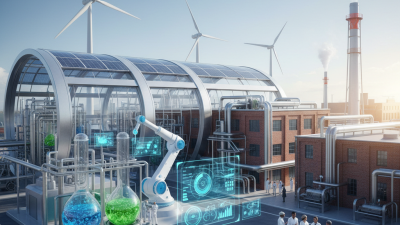
The world of specialty manufacturing is rapidly evolving. Innovations in technology and shifts in consumer demand are driving change. Companies must adapt to stay competitive and relevant.
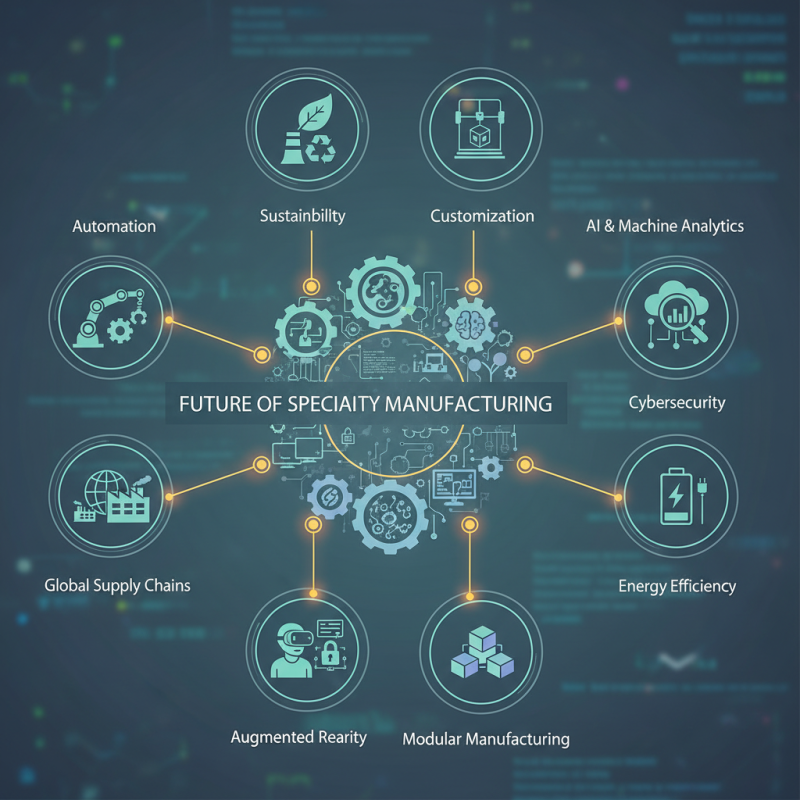
Emerging trends are reshaping the landscape. Automation, for instance, streamlines operations but raises concerns about job displacement. Sustainability is another key focus; businesses need to balance eco-friendly practices with efficiency. Customization in specialty manufacturing allows for unique products, yet it can complicate production processes.
As we explore the top ten trends, it’s essential to recognize the challenges and opportunities they present. Specialty manufacturing is on the brink of transformation. Embracing these shifts will require introspection and strategic thinking.
The emergence of advanced materials is transforming specialty manufacturing. These materials often boast superior properties, like enhanced strength and lighter weight. They are revolutionizing industries such as aerospace, automotive, and electronics. Imagine components made from composites that can resist extreme temperatures. This change impacts design flexibility and overall efficiency.
However, the rapid adoption of advanced materials also brings challenges. Many manufacturers struggle with the costs associated with research and development. There’s a pressing need for skilled workers who understand these new materials. Without proper training, the potential of advanced materials might not be fully realized. Furthermore, sustainability remains a concern. Some advanced materials are not eco-friendly, leading to environmental questions.
Despite these challenges, the enthusiasm surrounding advanced materials is palpable. New discoveries are happening every day. Innovations in recycling and sourcing are underway. It’s exciting yet daunting. The future of specialty manufacturing hinges on how well the industry can adapt. Balancing progress and reflection is essential for meaningful growth.
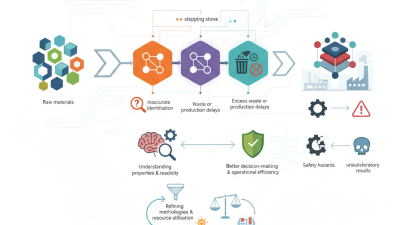
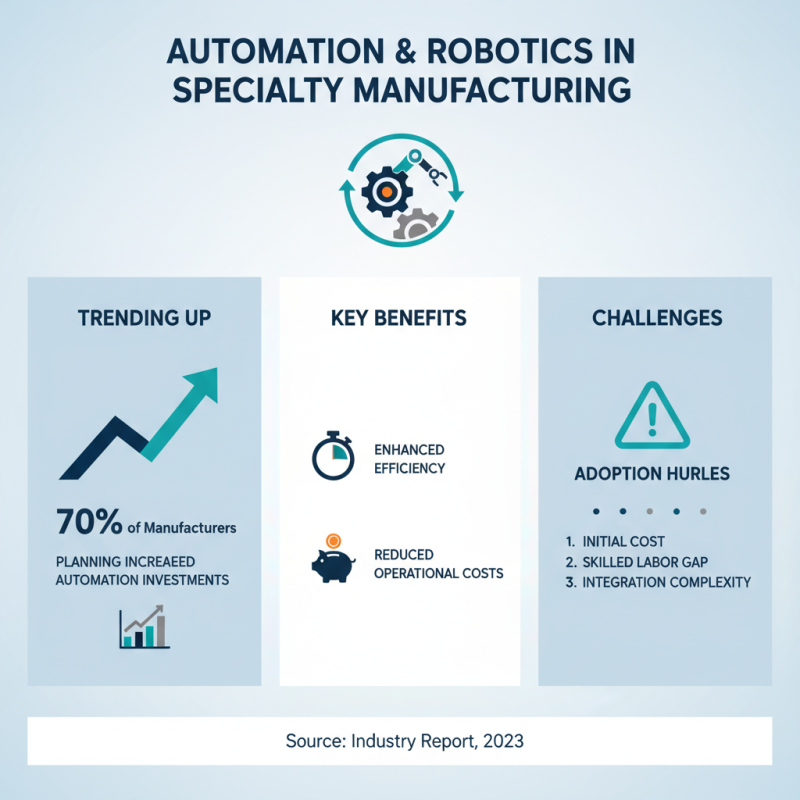
The integration of automation and robotics in production processes is rapidly gaining traction in the specialty manufacturing sector. Recent data indicates that approximately 70% of manufacturers plan to increase their automation investments in the next few years. This shift aims to enhance efficiency and reduce operational costs. However, the adoption of these technologies is not without challenges.
Many companies face a steep learning curve when implementing advanced robotics. Employees may worry about job security as machines take on more roles. A study revealed that 50% of workers believe automation could lead to layoffs. Effective change management is essential to ease these concerns and ensure a smooth transition.
Moreover, while automation excels in precision, it sometimes lacks the nuanced understanding of human operators. Complex tasks requiring adaptability remain a struggle for machines. For instance, quality control in intricate processes can falter if the robotic system is not finely tuned. Investing in training for human workers is critical, as they will still play an irreplaceable role in the manufacturing landscape. Balancing human skills with robotic capabilities will define future success in this evolving industry.
The adoption of sustainable practices in specialty manufacturing is gaining momentum. Companies are increasingly aware of their environmental responsibility. They strive to create products that minimize harm to the planet. This trend is reshaping the manufacturing landscape.
Improving energy efficiency is a common focus. Innovative technologies are helping manufacturers reduce waste and lower energy consumption. For example, advanced materials can lead to lighter products, which require less energy to transport. However, transitioning to sustainable practices is not always seamless.
Companies face challenges in sourcing eco-friendly materials and adapting existing processes.
Tips:
The push for sustainability also drives new collaborations. Manufacturers partner with local suppliers and invest in renewable energy sources. However, balancing cost and sustainability remains a challenge. Some firms struggle with the initial investment required for green technologies. It requires careful planning and commitment.
Smart technologies and the Internet of Things (IoT) are revolutionizing specialty manufacturing. These innovations boost efficiency and productivity. IoT sensors collect real-time data from machines. This data offers insights into performance and maintenance needs. As a result, manufacturers can optimize operations. Machines that communicate can reduce downtime and increase output.
Adopting these technologies is not without challenges. Integration with existing systems can be complex. Some manufacturers struggle to analyze the vast amounts of data generated. Without proper data management, valuable insights may be overlooked. The need for skilled workers who understand these technologies is also pressing. Training employees takes time and resources.
Yet, the potential rewards are significant. Smart technologies can lead to customized production and reduced waste. They allow for predictive maintenance, which minimizes unexpected failures. While the transition may be rocky, the future of specialty manufacturing looks promising with IoT and smart technologies at the helm.
| Trend | Description | Impact on Efficiency | Technology Used |
|---|---|---|---|
| Automation | Use of machines and robots to perform tasks with minimal human intervention. | Increases production speed and reduces labor costs. | Robotics, AI |
| IoT Integration | Connecting machines and devices to the internet for real-time data analysis. | Enhances monitoring and predictive maintenance. | IoT Sensors, Cloud Computing |
| Additive Manufacturing | 3D printing techniques for creating complex parts on demand. | Reduces waste and allows for customization. | 3D Printers, CAD Software |
| Data Analytics | Using big data to optimize production processes and supply chains. | Improves decision-making and operational efficiency. | Data Mining Tools, AI Algorithms |
| Sustainability Practices | Incorporating eco-friendly materials and processes in manufacturing. | Reduces environmental impact and increases customer loyalty. | Biodegradable Materials, Recycling Technology |
| Remote Monitoring | Managing equipment and processes from remote locations. | Increases flexibility and reduces downtime. | Mobile Apps, IoT Platforms |
| Smart Factories | Fully integrated and automated factories utilizing advanced technologies. | Maximizes productivity and minimizes operational costs. | AI, IoT, Automation Tools |
| Collaborative Robotics | Robots working alongside humans to enhance efficiency. | Increases safety and optimizes workforce productivity. | Collaborative Robots (Cobots) |
| Digital Twins | Virtual replicas of physical systems for simulation and analysis. | Enhances testing and predictive maintenance. | Simulation Software, IoT |
| Supply Chain Transparency | Visibility into the entire supply chain for better management. | Improves accountability and reduces disruptions. | Blockchain, IoT Systems |
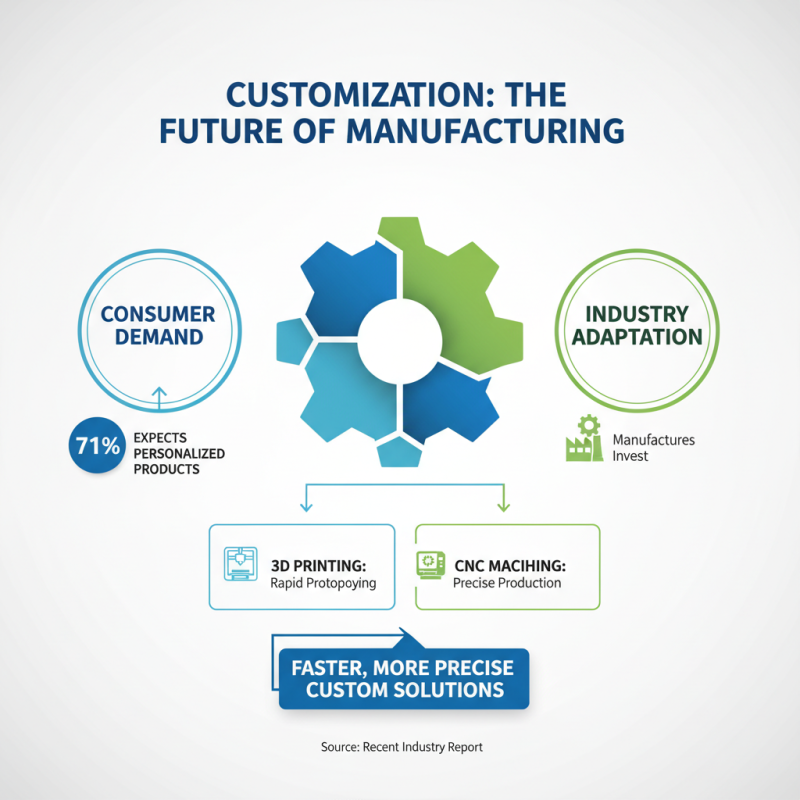
Customization is becoming a game changer in specialty manufacturing. According to a recent report, 71% of consumers expect personalized products. This demand pushes manufacturers to adapt quickly. Companies are now investing more in technologies like 3D printing and CNC machining. These technologies allow for quicker and more precise custom solutions.
Market analysis shows that niche markets are growing. A study noted a 25% annual growth rate in on-demand manufacturing. Customization not only meets consumer needs but also opens new revenue streams. However, challenges persist. Many manufacturers grapple with integrating new technologies. They often face rising costs and skills shortages.
Personalized solutions can also lead to complexity in production. Finding the balance between customization and efficiency is tough. Many companies struggle to streamline processes while offering tailored options. The future of specialty manufacturing will hinge on how well they navigate these issues.
Contact our team with questions, product inquiries or challenge us to engineer a solution for you.
Tel: +1 716 433 6764
Fax: +1 716 433 2850
Email: sale@ashymed.com
VanDeMark Chemical Inc.
One North Transit Road
Lockport, NY 14094 USA