Top Facts About Phosgene Chemical You Should Know?
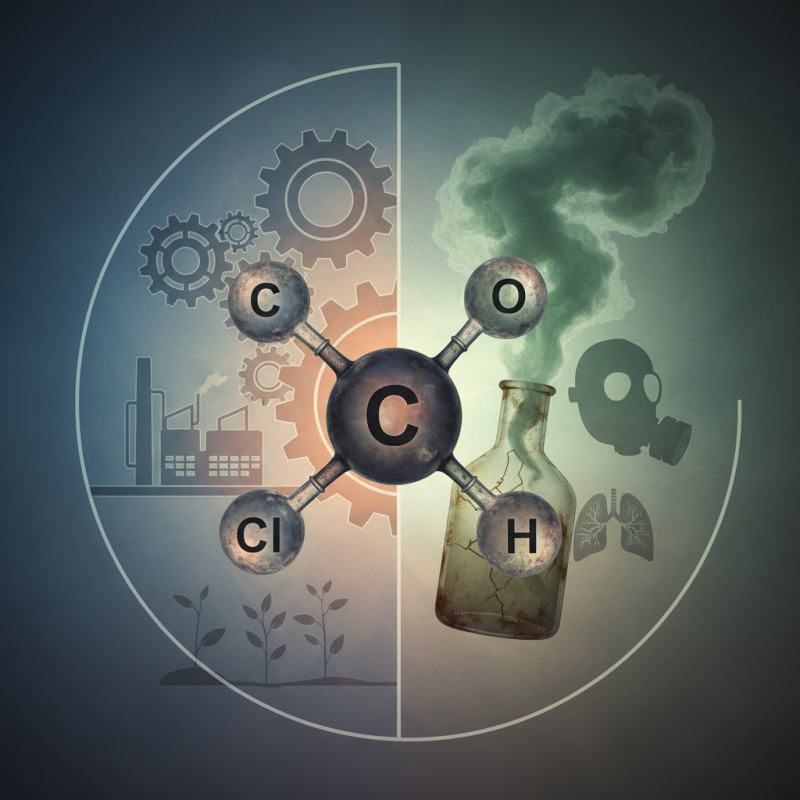
Phosgene chemical is a compound that raises many important considerations. Its history dates back over a century. Phosgene can be both useful and dangerous. Understanding its characteristics is essential for safety.
This chemical primarily serves in the production of critical substances. It plays a role in pesticide synthesis and pharmaceuticals. Yet, the risks associated with phosgene cannot be overlooked. Exposure can lead to severe health issues. A note of caution is necessary for anyone working with or near it.
Many people may not realize how dangerous phosgene chemical truly is. Proper safety protocols are vital in handling this compound. It's easy to underestimate its impact. Reflecting on safety practices should always be a priority. Awareness and education are crucial to prevent accidents. Understanding phosgene means acknowledging both its utility and hazards.
Overview of Phosgene: Definition and Chemical Structure
Phosgene is a chemical compound with a distinctive structure. Its molecular formula is COCl₂, indicating one carbon atom, one oxygen atom, and two chlorine atoms. This structure contributes to its significant reactivity. The molecule has a trigonal planar geometry, allowing for efficient interaction with other substances. Phosgene's unique properties result in its usefulness in various chemical processes.
Industrial usage of phosgene is extensive. It primarily serves as an intermediate in producing isocyanates and polycarbonate plastics. Reports indicate that about 75% of phosgene produced is used this way. However, it is essential to recognize the dangers associated with this compound. Phosgene exposure can lead to severe health risks. Inhalation can cause respiratory distress and even death. A reflection on safety practices in handling phosgene is vital for workers in the chemical industry.
Despite its hazardous nature, the demand for phosgene remains strong. Global production figures approach 1 million tons annually. This underscores the importance of strict regulation and safety protocols. Nonetheless, the potential for misuse exists. There are ongoing discussions in scientific communities about minimizing risks while maximizing benefits. The balance between utility and safety warrants careful consideration.
Historical Significance: Phosgene in Industry and Warfare
Phosgene is a powerful chemical compound with a notable history. During World War I, it emerged as a notorious chemical weapon. Soldiers faced dire consequences from its exposure. The gas was colorless, making it stealthy and deadly. Many did not know the danger until it was too late.
In industry, phosgene plays a critical role in producing various chemicals. Its applications extend to the manufacture of pesticides and pharmaceuticals. However, the risks associated with handling phosgene cannot be overlooked. Incidents in labs underscore the importance of safety measures. Often, accidents occur due to overlooked protocols. Awareness of the hazards is essential in any facility using this chemical.
Despite its utility, phosgene's legacy is complex. It is a symbol of chemical warfare's dark side and a reminder of safety's vital role. Industries must continually reflect on practices to prevent historical mistakes from repeating. The balance between utility and safety will always demand attention.
Health Hazards: Toxicity and Exposure Risks of Phosgene
Phosgene is a highly toxic chemical. It was used in World War I as a chemical weapon. Even small amounts can cause serious health issues. Inhalation is the primary exposure route. Symptoms may not appear immediately. Chest pain and difficulty breathing are common signs.
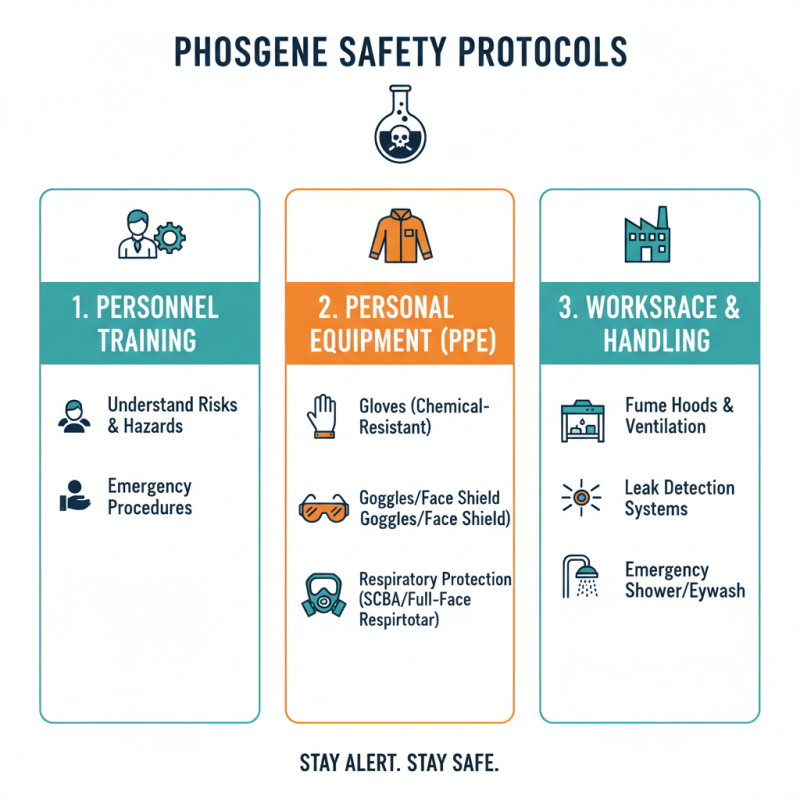
Exposure risks are significant in industrial settings. Workers handling phosgene must wear protective gear. Proper training and safety measures are crucial. Incidents can happen, leading to severe consequences. The dangers are real and constant.
Phosgene can cause lung damage and even death. It is important to act quickly if exposed. Evacuate to fresh air immediately. Seek medical help without delay. Understanding these risks can save lives. Awareness is key to prevention.
Applications: Uses of Phosgene in Chemical Manufacturing
Phosgene is a significant compound in the chemical industry. It plays a vital role in manufacturing various chemicals. One of its key applications is in the production of isocyanates and polycarbonate plastics. These materials are used in numerous products, such as coatings, foams, and even some medical devices. The versatility of phosgene is a reason for its widespread use.
Moreover, phosgene is essential in synthesizing pharmaceuticals and agrochemicals. This compound contributes to the creation of important drugs, making it invaluable in healthcare. However, the handling of phosgene requires caution due to its toxicity. Proper safety measures must be in place during its use.
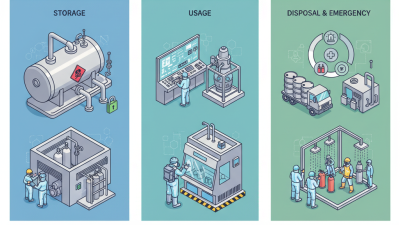
**Tips:** Always prioritize safety when working with phosgene. Use protective gear and ensure good ventilation. Ensure that all team members are trained in emergency procedures. Maintain clear labeling of all substances. Awareness of potential hazards is crucial in chemical manufacturing.