Top 10 Chemicals Incorporated in Everyday Products You Didn't Know About
In our daily lives, we often come into contact with a plethora of products that are essential for our convenience and comfort. However, many consumers remain unaware of the various chemicals incorporated into these everyday items. According to a report by the American Chemical Society, over 70,000 chemicals are used in consumer products, ranging from cleaning supplies to cosmetics. The incorporation of specific chemicals can enhance product performance and functionality, yet their origins, potential effects, and safety profiles often go unnoticed by the average user.
Recent studies have highlighted the importance of understanding the chemicals we interact with daily. For instance, the Environmental Protection Agency (EPA) has noted that exposure to certain chemicals can have lasting health effects, though many consumers are oblivious to their presence. The incorporation of chemicals such as phthalates, parabens, and volatile organic compounds (VOCs) in common products underscores the need for increased awareness and education regarding their potential impact on human health and the environment. As we delve into the top ten chemicals incorporated in everyday products, we aim to shed light on their ubiquity and the importance of informed consumer choices.
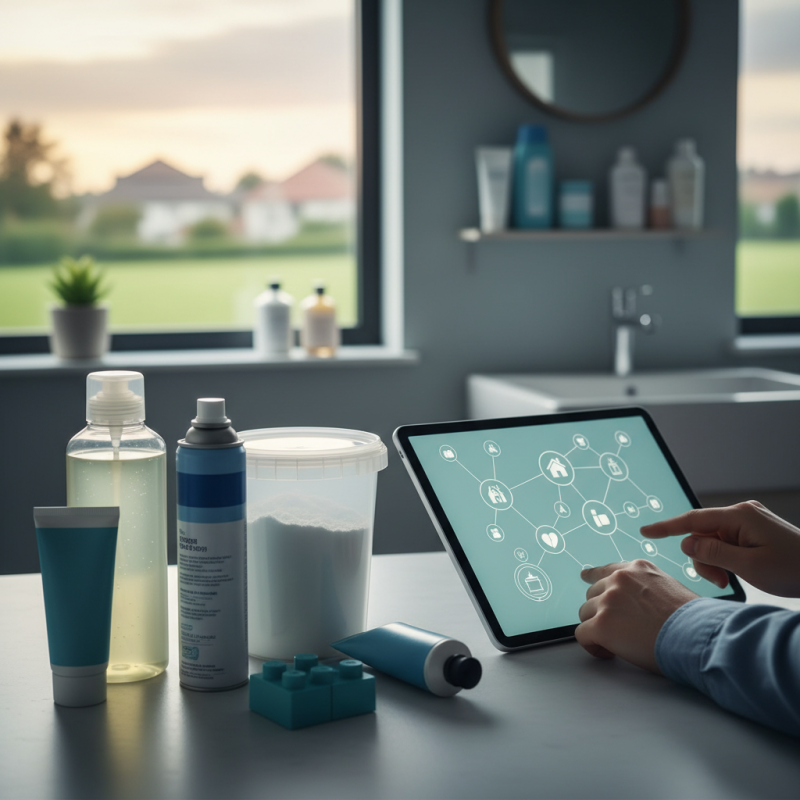
Top 10 Everyday Chemicals: An Overview of Their Common Uses
Everyday chemicals play an essential role in enhancing our quality of life, yet many users are unaware of their prevalence and importance. For instance, surfactants, found in many cleaning products, work by breaking down grease and dirt, making them crucial in household and industrial applications. According to a report from the American Cleaning Institute, the global surfactants market was valued at over $40 billion in 2022, highlighting its significance in both consumer goods and industrial applications.
Another common yet often overlooked chemical is propylene glycol, which is a versatile compound used in food products, pharmaceuticals, and personal care items. It acts as a humectant, preserving moisture in lotions and creams. The Food and Drug Administration (FDA) considers it safe for use in various products, and the global market for propylene glycol is projected to reach approximately $5.3 billion by 2026, reflecting its widespread utility in product formulation across diverse industries.
Moreover, chemicals like calcium carbonate, frequently used as a calcium supplement and as a filler in various products, enhance both functionality and nutritional value. As per a report by Grand View Research, the calcium carbonate market is anticipated to grow substantially, driven by its applications not just in dietary supplements but also in the construction and painting sectors. Understanding the roles these everyday chemicals play can lead to more informed consumer choices, enriching our awareness of product composition and functionality.
Understanding the Impact of Chemicals in Household Products
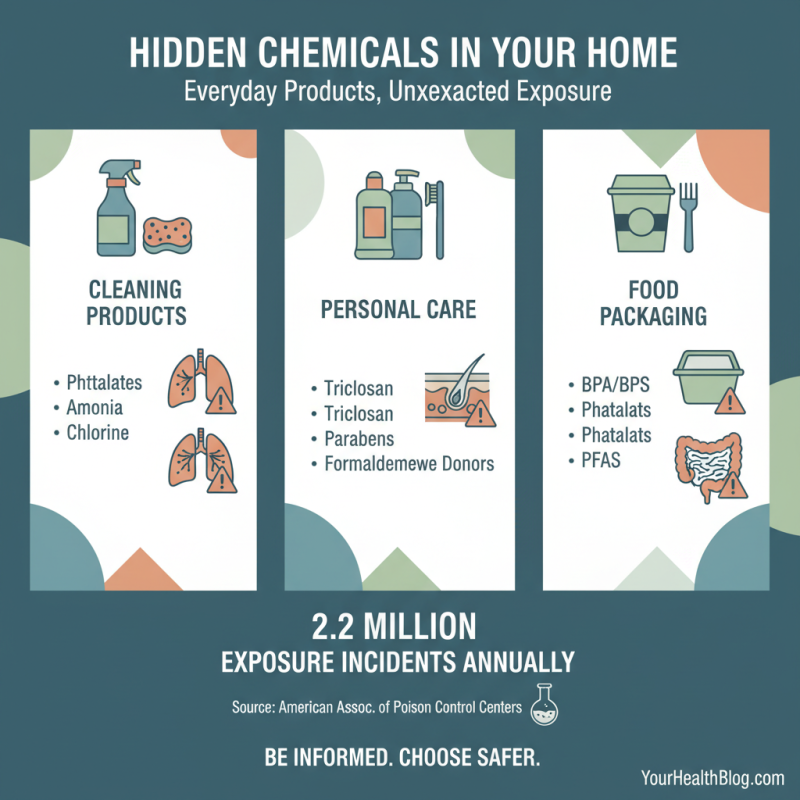
The presence of chemicals in everyday household products is more pervasive than most consumers realize. According to the American Association of Poison Control Centers, an estimated 2.2 million incidents of exposure to potentially toxic substances occur annually, many of which are linked to common household items. Ingredients such as phthalates, triclosan, and formaldehyde are often found in products like cleaning agents, personal care items, and even food packaging, raising concerns about their long-term health effects.
Research from the Environmental Protection Agency indicates that indoor air can be up to five times more polluted than outdoor air, largely due to chemicals emitted from these products. Long-term exposure to certain chemicals has been linked to health problems ranging from endocrine disruption to respiratory issues. For instance, studies published in the Journal of Exposure Science & Environmental Epidemiology reveal that exposure to volatile organic compounds (VOCs) can lead to neurological impairments over time. As consumers become more aware of the implications of these chemicals, there is a growing demand for transparency in labeling and safer alternatives in product formulations.
Health Risks Associated with Unrecognized Chemicals in Daily Life
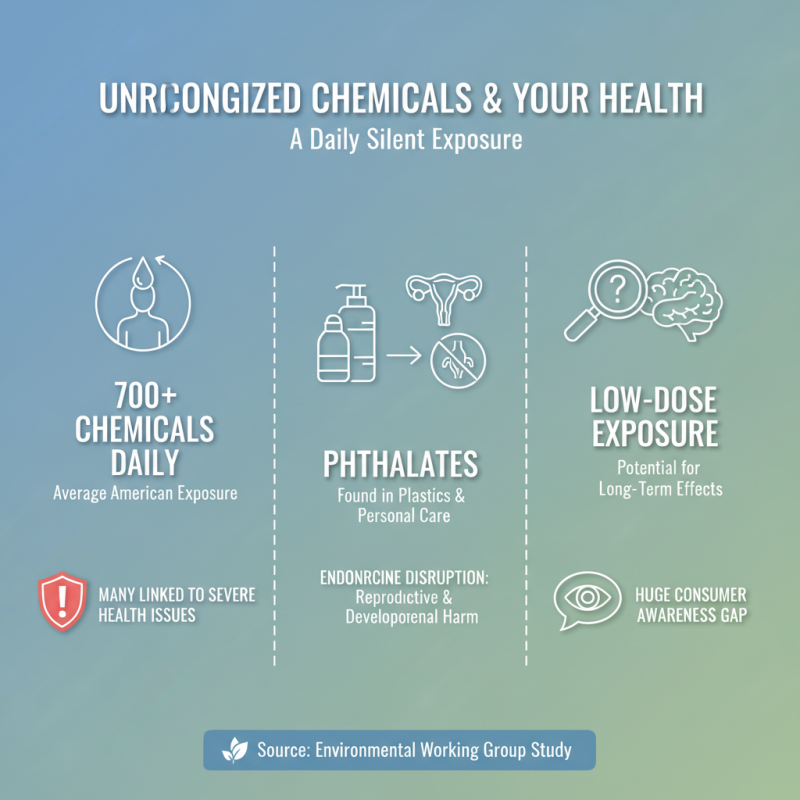
Unrecognized chemicals in everyday products pose significant health risks that often fly under the radar. A study by the Environmental Working Group revealed that the average American is exposed to over 700 chemicals daily, many of which are linked to severe health issues. For instance, phthalates, commonly found in plastic products, have been associated with endocrine disruption, which can lead to reproductive problems and developmental issues in children. Research indicates that even low-level exposure to these substances can potentially contribute to long-term health effects, highlighting a concerning gap in consumer awareness.
Furthermore, per- and polyfluoroalkyl substances (PFAS), often referred to as "forever chemicals" due to their persistence in the environment, can be found in food wrappers, non-stick cookware, and stain-resistant fabrics. Studies conducted by the Agency for Toxic Substances and Disease Registry suggest that PFAS exposure is linked to various health risks, including kidney and testicular cancer, as well as liver damage. Alarmingly, these chemicals have been detected in drinking water supplies across numerous states, again underscoring the importance of recognizing and addressing the hidden substances we encounter daily. Educating the public about these chemicals and their potential health risks is crucial for making informed choices in everyday living.
Environmental Implications of Commonly Used Chemicals
Everyday products, from cleaning supplies to personal care items, often contain a variety of chemicals that many consumers are unaware of. These compounds, while effective in their intended uses, can have significant environmental implications. For instance, surfactants found in detergents can disrupt aquatic ecosystems when they enter waterways, contributing to pollution and harming marine life. Additionally, volatile organic compounds (VOCs) present in air fresheners and paints can lead to indoor air quality issues, but they also contribute to the formation of ground-level ozone, a key component of smog that affects urban environments and human health.
Moreover, phthalates, commonly used in the manufacturing of plastics, have raised concerns due to their potential endocrine-disrupting properties. These chemicals can leach into soil and water, altering reproductive systems in wildlife and posing risks to human health as well. The pervasive use of such chemicals in everyday products highlights the importance of awareness regarding their environmental impact. As consumers, making informed choices about the products we use can help mitigate these effects, promoting a healthier environment and reducing our ecological footprint.
Top 10 Chemicals in Everyday Products and Their Environmental Impact
This chart illustrates the top 10 commonly used chemicals found in everyday products and their corresponding environmental implications. Understanding the impact of these chemicals can help consumers make more informed choices.
Regulatory Standards for Chemicals in Consumer Products
Regulatory standards for chemicals in consumer products play a crucial role in ensuring the safety and health of consumers. These regulations vary widely between countries but generally aim to limit the use of harmful substances in everyday items such as household cleaners, personal care products, and food packaging. Agencies responsible for these regulations conduct thorough assessments of chemical safety, often requiring manufacturers to provide comprehensive data on the potential risks associated with their products.
In many regions, regulations dictate permissible levels of certain chemicals and mandate labeling requirements to inform consumers. Standards may also call for regular testing and monitoring of products on the market, aiming to mitigate exposure to hazardous substances. As a result, consumer trust can be bolstered when products meet established safety benchmarks, though ongoing advocacy for higher standards continues as new scientific evidence emerges regarding the effects of various chemicals. The complex landscape of regulatory oversight underscores the importance of consumer awareness and responsible manufacturing practices in the production of everyday products.
Top 10 Chemicals Incorporated in Everyday Products You Didn't Know About
| Chemical |
Common Uses |
Health Concerns |
Regulatory Standards |
| Bisphenol A (BPA) |
Plastics, food packaging |
Hormonal disruption |
FDA limits in food contact substances |
| Formaldehyde |
Building materials, household products |
Carcinogen, respiratory issues |
EPA guidelines for air quality |
| Phthalates |
Flexible plastics, cosmetics |
Endocrine disruption |
Regulations under the CPSIA |
| Sodium lauryl sulfate (SLS) |
Shampoos, toothpaste |
Skin irritation |
Evaluated by the Cosmetic Ingredient Review |
| Lead |
Paint, toys |
Neurological damage |
CPSC limits for lead in consumer products |
| Arsenic |
Pesticides, wood preservatives |
Carcinogen, skin lesions |
EPA drinking water standards |
| Mercury |
Thermometers, batteries |
Neurological effects |
Regulations under the Mercury-Containing and Rechargeable Battery Management Act |
| Toluene |
Paint thinners, nail polish |
Central nervous system effects |
OSHA exposure limits |
| Brominated flame retardants |
Furniture, electronics |
Hormonal effects |
Restrictions under the EU RoHS Directive |