2025 How to Succeed in the Specialty Chemicals Industry and Drive Innovation
The specialty chemicals industry is a vital segment of the global economy, projected to reach approximately $1 trillion by 2025, driven by increasing demand across various sectors such as automotive, pharmaceuticals, and agriculture. As indicated by recent market analyses, specialty chemicals are characterized by their unique properties and functionalities, differentiating them from commodity chemicals. Their importance is underscored by innovations that lead to sustainable solutions and enhanced performance in applications ranging from protective coatings to biocides.
Innovation remains at the forefront of success in the specialty chemicals industry. According to a report by MarketsandMarkets, the industry is expected to grow at a compound annual growth rate (CAGR) of about 4.5% between 2020 and 2025. Companies that prioritize research and development in specialty chemicals can better meet emerging needs, such as environmental sustainability and tailored solutions for specific customer applications. The drive toward greener technologies is becoming increasingly crucial, as regulatory pressures and consumer preferences shift toward eco-friendly options.
To succeed in this competitive landscape, organizations must not only embrace innovation but also adapt their strategies to align with evolving market dynamics. By leveraging emerging technologies and investing in strategic partnerships, companies can enhance their product offerings and create value for their customers, paving the way for sustained growth in the specialty chemicals sector.
Understanding the Specialty Chemicals Industry Landscape in 2025
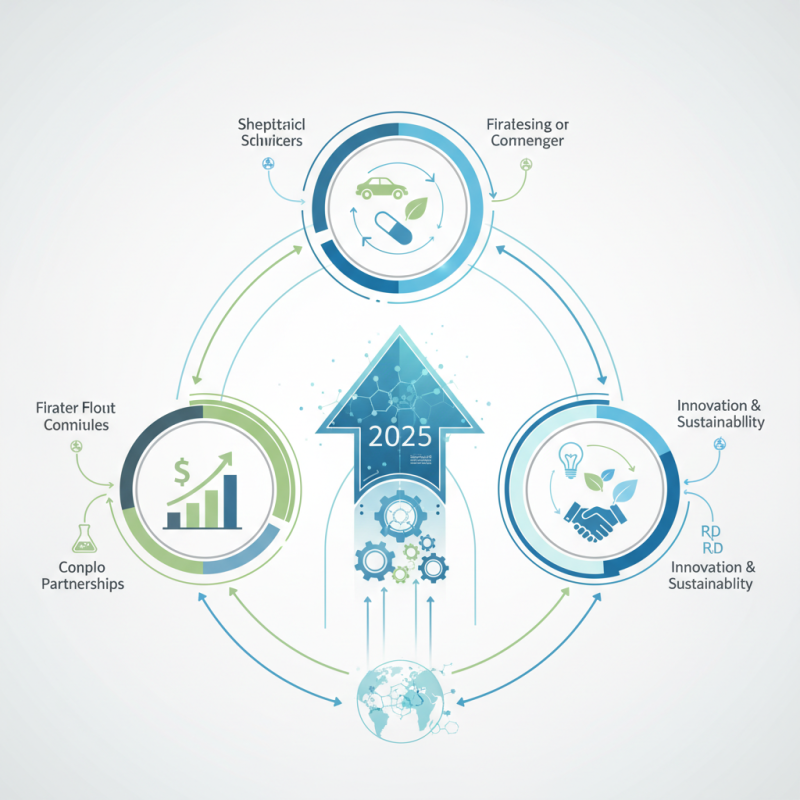
In 2025, the specialty chemicals industry will be characterized by rapid advancements and a strong emphasis on sustainability. As global demand for diverse applications increases, companies will need to adapt to evolving market dynamics and consumer preferences. The rise of green chemistry will reshape the industry landscape, driving innovation in product development and manufacturing processes. Companies that prioritize eco-friendly solutions and invest in renewable resources will not only comply with stricter regulations but will also enhance their market positioning.
Emerging technologies such as artificial intelligence and digitalization will play a crucial role in streamlining operations and improving efficiency within the specialty chemicals sector. In 2025, firms that leverage data analytics to gain insights into market trends and consumer behavior will have a competitive edge. Additionally, collaborative efforts across the supply chain, including partnerships with research institutions and technology providers, will facilitate the development of cutting-edge products. By understanding the dynamics of the specialty chemicals landscape and committing to innovation and sustainability, companies will thrive in this ever-evolving industry.
Key Drivers of Innovation in Specialty Chemicals
The specialty chemicals industry is undergoing a transformative phase, propelled by several key drivers of innovation. One of the most significant factors is the increasing demand for sustainable and eco-friendly products. As consumers and businesses alike become more environmentally conscious, companies in the specialty chemicals sector are focusing on developing green chemicals and processes that minimize environmental impact. This shift not only aligns with regulatory requirements but also opens up new market opportunities for innovative solutions that address sustainability concerns.
Another critical driver of innovation in this field is technological advancement. The integration of digital technologies such as artificial intelligence, data analytics, and automation is revolutionizing the way specialty chemicals are produced and marketed. These technologies facilitate improved efficiency in production processes, enhance product quality, and enable the development of tailored solutions that meet specific customer needs. Additionally, collaboration across industries and sectors is becoming increasingly vital. By partnering with other stakeholders, companies can leverage shared knowledge and expertise to accelerate the innovation cycle, ensuring they remain competitive in the rapidly evolving market landscape.
Finally, the emphasis on circular economy principles is reshaping innovation strategies in specialty chemicals. Companies are exploring ways to recycle materials and create closed-loop systems that minimize waste and boost resource efficiency. This approach not only contributes to environmental sustainability but also drives the development of new chemical products that can be reused or repurposed. As the industry embraces these key drivers, it lays the groundwork for breakthroughs that will define the future of specialty chemicals.
Strategic Approaches for Success in Specialty Chemicals
Innovating in the specialty chemicals industry requires a strategic approach that emphasizes collaboration, technological advancement, and sustainability.
According to a recent report by MarketsandMarkets, the specialty chemicals market is expected to grow from $750 billion in 2020 to $1 trillion by 2025, reflecting a compound annual growth rate (CAGR) of 5.5%. This growth is driven by increasing demand across various sectors, including automotive, agriculture, and personal care, highlighting the importance of innovative solutions tailored to specific industries.
To succeed, companies should prioritize strategic partnerships that enhance their research and development capabilities. Collaborating with academic institutions and leveraging open innovation can lead to breakthrough products. Additionally, integrating digital technologies such as IoT and AI into operations provides valuable data insights that can streamline processes and improve product performance.
Tips: Invest in employee training on digital tools and sustainability practices to foster a culture of continuous improvement. Regularly conduct market analysis to identify emerging trends and shifting customer preferences, ensuring your offerings remain relevant and impactful.
Moreover, sustainability has become a central focus in the specialty chemicals sector. According to a report by Deloitte, over 70% of executives in the industry consider sustainable practices essential to their business strategy. Adopting eco-friendly materials and processes not only meets regulatory requirements but also enhances brand reputation and customer loyalty.
Tips: Evaluate your supply chain to mitigate environmental impact and consider adopting a circular economy model to reduce waste. Engage with stakeholders to communicate your sustainability efforts, as transparency can strengthen relationships and build trust.
Sustainability Trends Impacting the Specialty Chemicals Sector
In the specialty chemicals industry, sustainability has become a crucial driver of innovation and growth. As consumers increasingly prioritize eco-friendly products, companies in this sector must adapt their practices to meet these changing expectations. This shift not only involves adopting greener production processes but also embracing alternative raw materials that reduce environmental impact. With regulations tightening around chemical production, staying ahead of sustainability trends can lead to significant competitive advantages.
Tips for succeeding in this evolving landscape include investing in research and development for sustainable technologies. Companies should explore bio-based feedstocks and recycling initiatives to minimize waste. Collaboration across the supply chain can also enhance sustainability efforts, enabling firms to share best practices and develop innovative solutions that meet market demand.
Furthermore, staying informed about sustainability certifications and benchmarks can position a company as a leader in responsible manufacturing. Organizations should proactively engage with stakeholders, including customers and policymakers, to advocate for sustainability initiatives within the specialty chemicals sector. By embedding sustainability into their core strategies, companies can not only drive innovation but also contribute to a more sustainable future.
2025 Sustainability Trends Impacting the Specialty Chemicals Sector
Emerging Technologies Shaping the Future of Specialty Chemicals
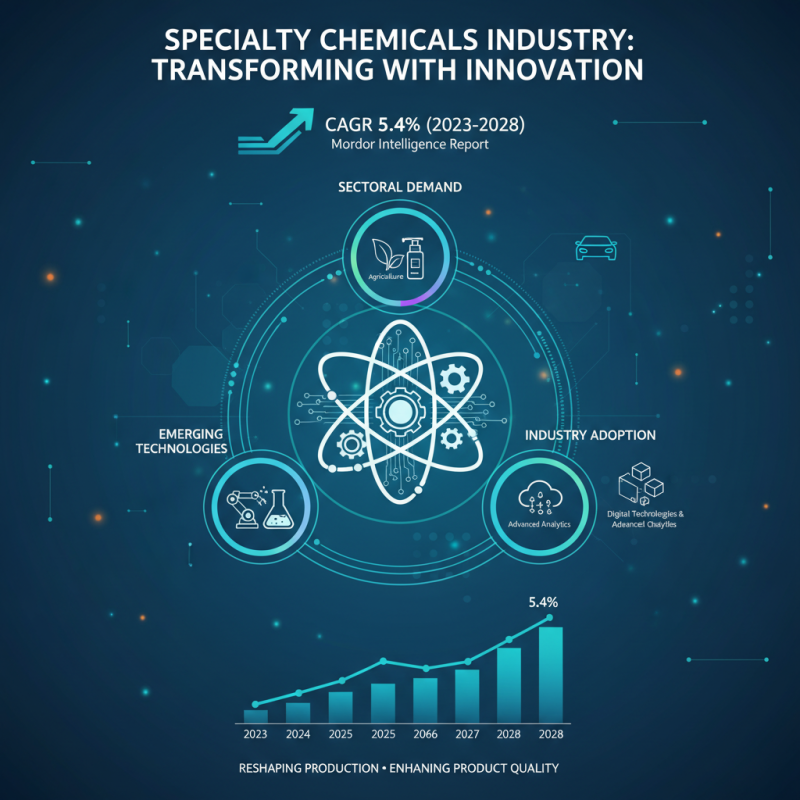
The specialty chemicals industry is on the brink of transformation, driven by emerging technologies that promise to reshape production processes and enhance product quality. According to a recent market report by Mordor Intelligence, the global specialty chemicals market is projected to grow at a CAGR of approximately 5.4% between 2023 and 2028, indicating a robust demand for innovative solutions across various sectors, including agriculture, personal care, and automotive. Industry players are increasingly investing in digital technologies and advanced analytics to optimize their operations and streamline supply chains.
One of the most notable trends impacting the specialty chemicals landscape is the integration of sustainable practices through the adoption of green chemistry principles. Companies are exploring biotechnology alternatives, which not only reduce harmful emissions but also improve the efficiency of chemical production. As reported by the American Chemistry Council, the shift towards bio-based materials is expected to contribute significantly to the reduction of the chemical industry's carbon footprint, with an estimated 20% of global chemicals potentially sourced from renewable biomass by 2030. This transition not only aligns with global sustainability goals but also caters to a growing consumer preference for eco-friendly products.
Furthermore, advancements in automation and artificial intelligence are empowering specialty chemical manufacturers to enhance their R&D capabilities. By employing machine learning algorithms and predictive analytics, companies can accelerate the development of new formulations and improve responsiveness to market demands. According to a report by McKinsey & Company, incorporating AI into R&D processes can lead to a reduction in time-to-market by as much as 30%, ultimately allowing for faster innovation cycles and a competitive edge in this rapidly evolving sector.