What Is Specialty Manufacturing and How Does It Work?
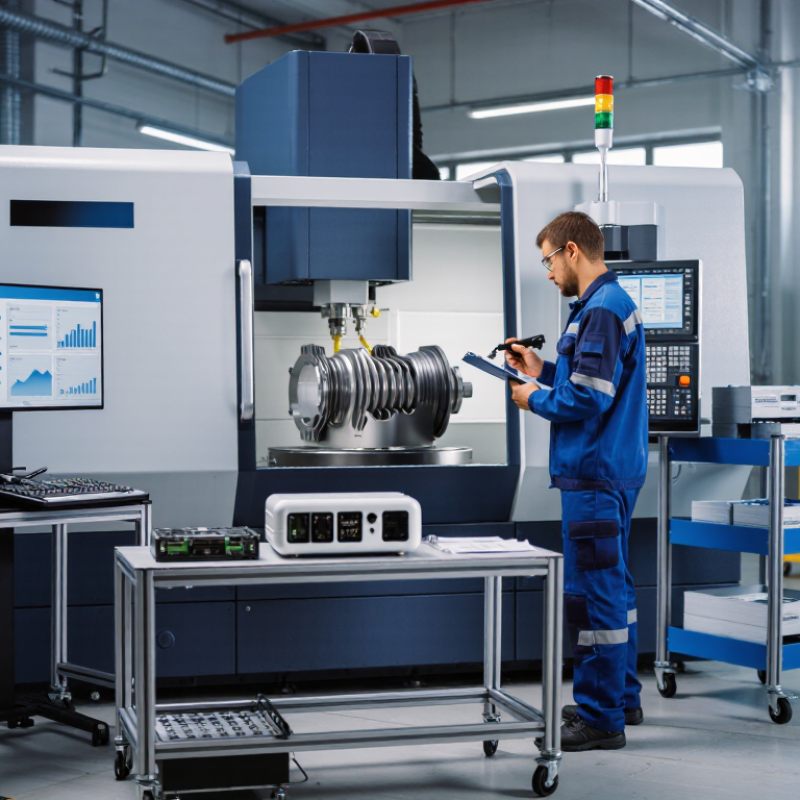
Specialty manufacturing focuses on products that demand unusual materials, precise processes, or expert quality control. Unlike mass production, it often serves narrow markets with complex specifications. A medical device, aerospace bracket, laboratory instrument, or custom electric enclosure may require different machines, suppliers, and inspections. The production floor can include a five-axis CNC cell, a clean assembly bench, and digital lot records.
The term specialty manufacturing is not perfectly standardized. That ambiguity matters. Some companies use it for high-mix, low-volume production. Others include contract manufacturing, engineered components, or regulated assemblies. In practice, the common thread is controlled complexity. Engineers translate customer requirements into drawings, process plans, prototypes, inspections, and repeatable production steps. Operators then monitor dimensions, material certificates, calibration records, and packaging details. Small errors can become expensive quickly.
Data shows why this model is evolving. Deloitte’s 2024 Smart Manufacturing and Operations Survey found that 86% of surveyed manufacturing leaders expect smart manufacturing to become a major competitiveness driver within three years. The report also highlights investments in connected equipment, analytics, and workforce capabilities. These tools can help specialty producers reduce setup time and identify defects earlier. They do not replace judgment.
That point deserves attention. Automation is useful, but poorly designed data can create false confidence. Reliable specialty manufacturing still depends on experienced technicians, qualified suppliers, documented procedures, and transparent testing. ISO 9001 principles support this discipline through process control and continual improvement. This guide explains how specialty manufacturing works, where it creates value, and why each production decision must match the product’s risk, volume, and performance requirements.
Defining Specialty Manufacturing: Low-Volume, High-Complexity Production
What Is Specialty Manufacturing and How Does It Work?
Specialty manufacturing produces low volumes with unusually high technical complexity. There is no universal volume threshold. A batch may contain ten assemblies, or several thousand customized parts. The defining feature is controlled variation, not simply small quantity. Products often require tight tolerances, unusual materials, validated processes, or detailed traceability. Medical instruments, satellite components, laboratory equipment, and custom industrial machines fit this model.
The workflow begins with design review and manufacturability analysis. Engineers check tolerances, surface finishes, tooling access, and inspection methods. Production teams then build a prototype or pilot batch. Each unit may receive a serial number, inspection record, and material certificate.
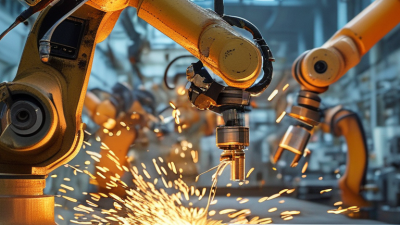
The International Federation of Robotics reported 541,302 new industrial robots installed worldwide in 2023. Flexible automation can support specialty work, but skilled operators still manage exceptions, setup changes, and judgment-heavy inspections.
Scheduling is less predictable than in mass production. A missing alloy certificate can stop a complete batch. A small design change may require new tooling or fresh validation. The World Economic Forum’s Future of Jobs Report 2023 estimated that 44% of workers’ skills could be disrupted within five years.
This matters because specialty manufacturing depends on technicians who understand both machines and drawings. Digital work instructions help, but they are not perfect. I have seen efficient processes fail when operators cannot question outdated instructions. Quality improves when feedback moves quickly between engineering, production, and inspection.
Market Context: U.S. Manufacturing Contributed $2.3 Trillion to GDP in 2023
What Is Specialty Manufacturing and How Does It Work?
Specialty manufacturing produces highly customized, technical, or low-volume goods. Unlike mass production, it often serves demanding applications with strict performance requirements. A typical project may involve unusual materials, tight tolerances, or complex testing. Precision matters. Engineers usually begin by reviewing drawings, operating conditions, and regulatory requirements. They then select materials, develop tooling, and create a controlled production plan.
The work is closely connected to the wider U.S. economy. U.S. manufacturing contributed approximately $2.3 trillion to GDP in 2023, showing its substantial economic role. Specialty manufacturing supports this contribution through skilled labor, engineering services, equipment purchases, and regional supply chains. Its value is not limited to factory output. It also strengthens research, maintenance, logistics, and technical training. Each production decision can affect several other industries.
In practice, quality depends on repeatable processes and reliable records. Operators may inspect dimensions with calibrated instruments, test material strength, and document every batch. Traceability is especially important when a component must perform safely under heat, pressure, or continuous use. No production line is perfect. A supplier may face material delays, design changes, or an unexpected equipment failure. That reality deserves attention. Strong manufacturers respond through root-cause analysis, corrective actions, and honest communication. Still, efficiency can sometimes overshadow improvement. Regular audits, employee feedback, and practical process reviews help reveal problems before they become expensive failures.
What Is Specialty Manufacturing and How Does It Work?
Specialty manufacturing focuses on customized, low-volume, highly engineered, or tightly regulated products. In the United States, manufacturing contributed approximately $2.3 trillion to GDP in 2023, with value added across both durable and nondurable goods production.
Source: U.S. Bureau of Economic Analysis, GDP by Industry, 2023. Figures are rounded estimates; the combined total is approximately $2.3 trillion.
The Production Workflow: From Design Requirements to Validated First Article
Specialty manufacturing turns demanding designs into repeatable, documented products. The workflow begins with design requirements, not machinery. Engineers review dimensions, material grades, surface finishes, performance targets, and acceptable tolerances. A drawing may look complete yet hide a critical assumption. Clarifying those details early prevents expensive changes later.
The production team then selects suitable processes, tools, fixtures, and inspection methods. A trial component is produced under controlled conditions. Inspectors measure features with calibrated equipment, such as a coordinate measuring machine or digital height gauge.
They compare the results with the approved drawing and record material certificates, process settings, and deviations. If a hole measures 0.03 millimeters outside tolerance, the team investigates the cause instead of quietly adjusting the report.
The first article is validated only when objective evidence supports its acceptance. Sometimes, the first attempt exposes an unrealistic tolerance. That feedback deserves attention, not blame.
Tips:
Define critical features with measurable limits. Confirm inspection methods before production starts. Keep revision numbers visible on every document. Photograph unusual setups when useful. Do not treat a clean report as proof of a stable process; repeatability still needs evidence. A well-run first article connects design intent with manufacturing reality.