What are Specialty Intermediates and Their Applications?
Specialty intermediates play a crucial role in various industries. These chemical compounds act as building blocks for more complex substances. They are essential in pharmaceuticals, agriculture, and manufacturing. The unique properties of specialty intermediates make them valuable in creating innovative products.
In the pharmaceutical sector, specialty intermediates contribute to drug formulation. They can enhance drug efficacy and stability. In agriculture, they assist in the development of crop protection agents. These intermediates help in optimizing yields and ensuring food security. Each application showcases the versatility of specialty intermediates.
However, the use of specialty intermediates also raises questions. Are they always safe for the environment? The production process can have an impact. It is important to reflect on the balance between innovation and sustainability. As industries evolve, the demand for specialty intermediates will likely grow, but so must our responsibility to the planet.

Definition of Specialty Intermediates and Their Characteristics
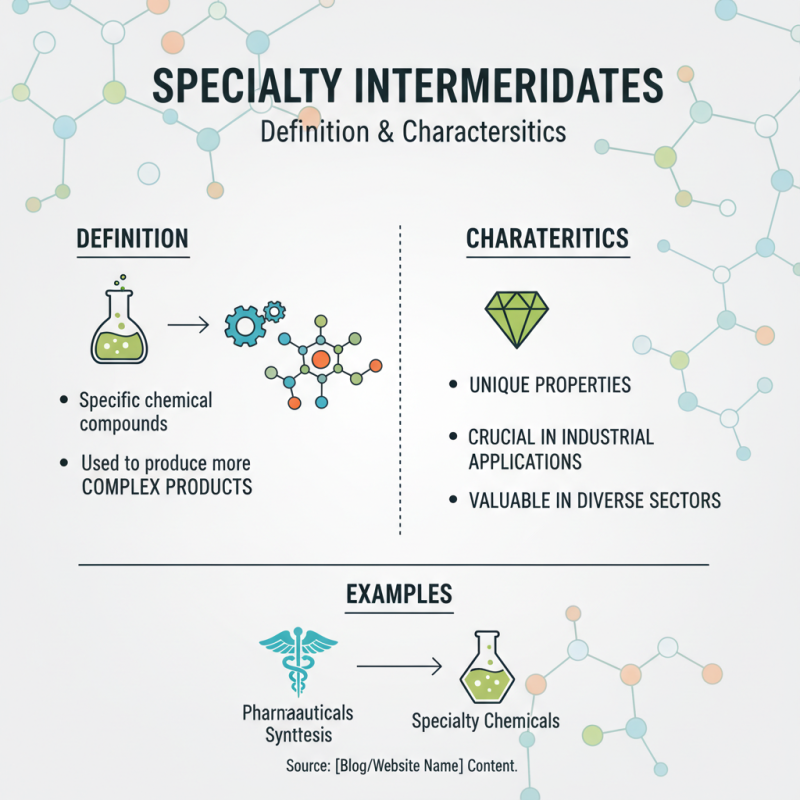
Specialty intermediates play a crucial role in various industrial applications. They refer to specific chemical compounds used in the production of more complex products. These substances often have unique properties, making them valuable in different sectors. For example, they are key in the synthesis of pharmaceuticals and specialty chemicals.
The characteristics of specialty intermediates greatly influence their use. They are typically characterized by their purity and specific functionality. This means they can act as building blocks in complex chemical processes. In many cases, their reactivity and stability are crucial. Their composition can determine how well they perform in end products. However, challenges often arise in sourcing these materials. Variability in quality and supply chain issues can complicate production.
In practice, the application of specialty intermediates can be tricky. Different industries have different standards and requirements. These can lead to inconsistencies in how intermediates are utilized. Additionally, understanding their environmental impact is essential. Awareness of sustainable practices is becoming increasingly important. Continuous reflection on the sourcing and application of these intermediates can drive better outcomes.
Types of Specialty Intermediates in Various Industries
Specialty intermediates are crucial in various industries. They serve as building blocks in chemical manufacturing. These intermediates enhance product performance and efficiency.
In the pharmaceutical sector, specialty intermediates play a vital role. They are essential in synthesizing active pharmaceutical ingredients. Moreover, they aid in developing new formulations. This sector demands high purity and specific properties. For instance, intermediates with precise chemical configurations can enhance drug efficacy.
The agrochemical industry also relies on specialty intermediates. They are used to create effective pesticides and herbicides. The right intermediates can improve the stability and shelf life of these products. However, there are challenges. Not all intermediates meet the desired standards. Continuous innovation is necessary to address these issues. It’s vital to evaluate their environmental impact as well.
Manufacturing Processes of Specialty Intermediates
Specialty intermediates are crucial in various industries. Their manufacturing processes are complex and often require precision. A typical method starts with raw materials, which undergo several chemical reactions. These reactions may include esterification, hydrolysis, or polymerization. Each process type demands specific conditions and catalysts, impacting the final product quality.
Temperature and pressure control is vital during production. Even slight deviations can alter the desired properties of the intermediates. For instance, if the temperature is too high, it might lead to unwanted by-products. Some manufacturers face challenges in maintaining these conditions, leading to inconsistencies.
Moreover, purification steps are necessary to obtain high-purity intermediates. Techniques like distillation or recrystallization are often used. However, these methods can be resource-intensive. Finding the right balance between efficiency and quality is an ongoing concern for many. The fluctuating costs of raw materials also affect the feasibility of certain processes. Therefore, continuous improvement and innovation in manufacturing are essential.
Applications of Specialty Intermediates in Various Industries
This chart illustrates the market share of specialty intermediates across various industries. The pharmaceutical sector takes the largest share, followed by agriculture and cosmetics. Understanding these applications helps highlight the significance of specialty intermediates in modern manufacturing processes.
Key Applications of Specialty Intermediates in Chemical Industries
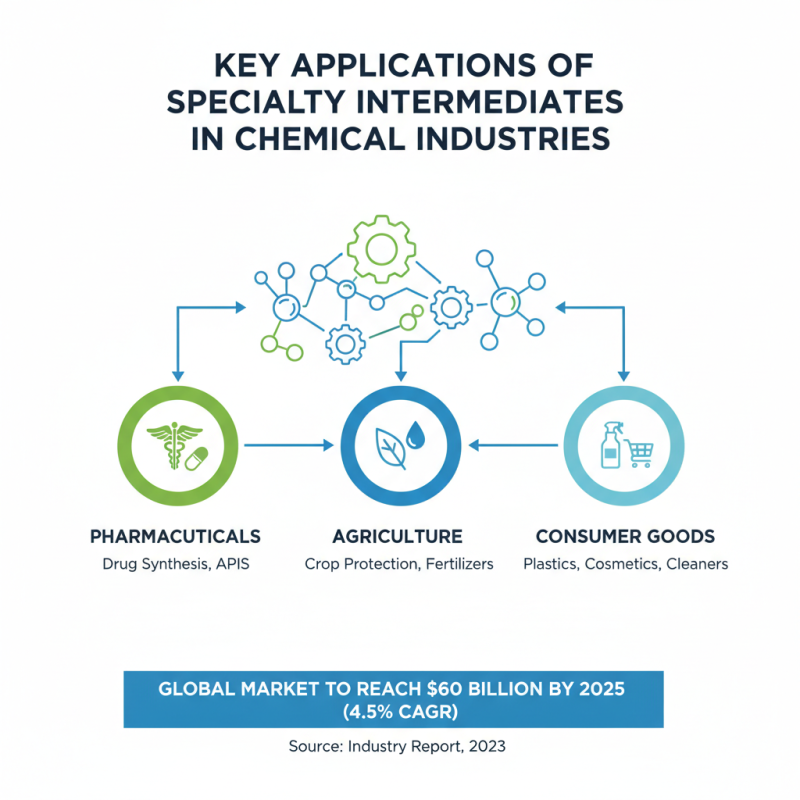
Specialty intermediates play a crucial role in the chemical industry. They serve as vital building blocks in various manufacturing processes. These intermediates find applications in pharmaceuticals, agriculture, and consumer goods. A recent report noted that the global specialty intermediates market is projected to reach $60 billion by 2025, growing at a CAGR of 4.5%. This reflects their increasing importance.
In pharmaceuticals, specialty intermediates are essential for synthesizing active pharmaceutical ingredients (APIs). They can influence the efficacy and safety of medication. In agriculture, they are used in the production of pesticides and fertilizers, improving crop yields. Furthermore, in consumer goods, they enhance the performance of cleaning agents and cosmetics.
Tip: When choosing specialty intermediates, consider their purity and consistency. These factors can significantly affect the quality of the final product.
Despite their advantages, sourcing specialty intermediates can be challenging. The supply chain may face disruptions. Additionally, there is often a lack of transparency regarding the quality of these chemicals. Businesses must assess providers carefully.
Tip: Regular audits of suppliers can mitigate risks. It ensures the intermediates meet industry standards. Effective communication with suppliers is essential for ensuring compliance. The focus should be on reliability and quality.
Future Trends and Innovations in Specialty Intermediates Usage
The evolving landscape of specialty intermediates continues to intrigue many industries. As technology advances, applications also expand. Innovations in specialty intermediates are pushing boundaries, making processes more efficient. These materials are vital in pharmaceuticals, agriculture, and cosmetics. They enhance product efficacy and create unique formulations.
Future trends indicate an increasing focus on sustainability. Many companies are exploring bio-based specialty intermediates. This shift aims to reduce environmental impact. Research suggests consumers prefer greener products. This opens avenues for innovative designs and manufacturing techniques.
Tips: When considering specialty intermediates, assess their performance. Balance cost and sustainability. Understand how new technologies can enhance production processes. Experimenting with unconventional materials may lead to unique solutions. Don't shy away from testing; it fosters creative adaptations. Embrace the imperfections in processes, as they can guide improvements.