What is Packaging Machinery and How Does It Work?
Packaging Machinery plays an essential role in modern manufacturing. It streamlines the process of product packaging, ensuring efficiency and consistency. This machinery encompasses various types, including filling, sealing, and labeling machines. These tools help businesses maintain high production rates while reducing manual labor.
Understanding how Packaging Machinery works is crucial for manufacturers. By automating packaging tasks, companies can minimize errors and waste. Advanced machinery can adapt to different product sizes and types. This flexibility is vital in today’s changing market. However, the integration of new technologies may pose challenges. Training staff and maintaining machinery can be complex.
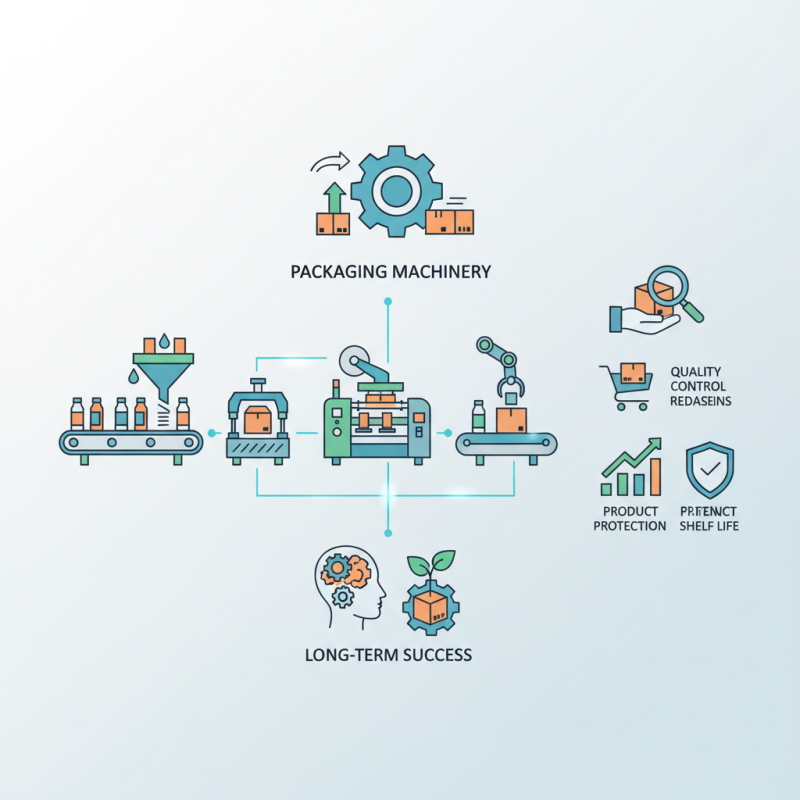
The impact of Packaging Machinery extends beyond efficiency. It influences product presentation and shelf life. Proper packaging attracts customers and protects products during transportation. As businesses grow, the need for reliable packaging solutions increases. Investing in quality machinery is essential for long-term success. As we explore this topic, we will uncover both the benefits and potential pitfalls of packaging automation.
What is Packaging Machinery?
Packaging machinery plays a crucial role in various industries. It is designed to handle the packaging process efficiently. From food products to consumer goods, the machinery streamlines operations. The main objective is to ensure products are well-protected for distribution and sale.
These machines come in different types, including fillers, sealers, and labelers. Each type serves a specific function in the packaging process. For instance, fillers place products into containers, while sealers secure the packages. Often, businesses face challenges when integrating new machinery. For example, adapting to the speed of operation can lead to confusion among workers. Ensuring proper training is essential.
Understanding the working principles is vital for effective use. Most packaging machines rely on automated systems. This reduces manual involvement and increases precision. However, issues may arise, like misaligned products or incorrect paddings. Regular maintenance and staff training can minimize such problems. Effective communication among team members also plays a key role in optimal operation.
Packaging Machinery Efficiency by Type
Types of Packaging Machinery and Their Applications
Packaging machinery plays a crucial role in various industries, offering solutions tailored to specific needs. There are several types of packaging machinery, each designed for different applications. For instance, filling machines are used to dispense products into containers. This type of machinery can handle liquids, granules, and powders effectively. The global packaging machinery market is projected to reach $60 billion by 2024, according to industry reports.
Labeling machinery is another essential type. It ensures that products are correctly labeled for customer awareness and compliance. Automated labeling machines have increased production efficiency by up to 30%, highlighting their importance. Flow wrapping machines, commonly used in the food industry, protect items while ensuring quick packaging. This technology has enabled manufacturers to package products faster, responding to market demands.
Tips: Regular maintenance of machinery is key to reliability. Implementing a maintenance schedule can reduce downtime significantly. Also, consider investing in training for your team to maximize machinery efficiency. Understanding the specifications and capabilities of your equipment can reveal opportunities to enhance productivity.
How Packaging Machinery Works: Basic Principles Explained
Packaging machinery plays a critical role in manufacturing. Understanding its basic principles helps in optimizing operations. These machines automate the packaging process, ensuring efficiency and consistency.
The core components include filling systems, sealing mechanisms, and labeling units. Each part works synergistically to protect products. For instance, the filling system measures quantities accurately. A reliable sealing mechanism ensures the contents stay fresh. Labeling is essential for compliance and information.
Tips: Always choose machinery suited to your specific needs. Overlooking this can lead to inefficiency. Regular maintenance is key. It prevents breakdowns and maintains precision in operations.
However, not all machinery functions flawlessly. Operators must be trained to handle malfunctions. Understanding common issues helps minimize downtime. Reflecting on past errors can foster improvements in processes. With the right approach, packaging machinery can greatly enhance productivity.
Key Components of Packaging Machinery
Packaging machinery plays a vital role in various industries, ensuring products are securely sealed and efficiently prepared for distribution. Several key components make up packaging machinery, each contributing to the overall function. These components include fillers, sealers, conveyors, and coding machines. According to a recent market research report, the global packaging machinery market is expected to reach $50 billion by 2027, underscoring the significance of these components.
Fillers are essential for accurately dispensing the correct amount of product into containers. They can handle liquids, powders, or granules. Sealers follow fillers, ensuring the product remains uncontaminated. Different sealing types, like heat sealing or vacuum sealing, impact shelf life. Conveyors move products through the packaging line, enhancing efficiency. Coding machines apply essential information, such as expiration dates or barcodes, providing traceability.
Tips: Regular maintenance of these components is crucial. A malfunctioning sealer can lead to product spoilage. Understanding the specific needs of your product helps in selecting the right machinery. Don’t overlook the importance of training operators. Lack of expertise may result in inefficient packaging processes, compromising product quality. Consider periodic evaluation of your machinery. Improvements can often be found through small adjustments.
What is Packaging Machinery and How Does It Work? - Key Components of Packaging Machinery
| Component | Description | Function |
| Filling Machine | Automates the process of filling products into containers. | Ensures accurate amounts of product are dispensed into packages. |
| Labeling Machine | Applies labels to packages or products. | Enhances product identification and branding. |
| Wrapping Machine | Wraps products in protective packaging. | Preserves product integrity and facilitates transportation. |
| Sealing Machine | Seals packages to prevent leakage and contamination. | Ensures product safety during storage and shipping. |
| Conveyor System | Moves products through different stages of the packaging process. | Improves efficiency and speed of packaging operations. |
Advantages of Automated Packaging Machinery over Manual Methods
Automated packaging machinery has become essential in modern production. Its efficiency stands out when compared to manual methods. One significant advantage is speed. Automated systems can package products quickly, reducing the time taken for each cycle. This increase in speed leads to higher output, meeting consumer demand more effectively.
Reliability is another strong point. Automated machines consistently perform tasks without fatigue. This consistency ensures that every product is packaged uniformly. In contrast, manual processes can lead to errors. Workers may tire, leading to inconsistent packaging. Moreover, automated systems can be adjusted easily for different products. This flexibility can optimize production lines without the need for extensive retraining.
However, the shift to automation is not without challenges. Initial investment costs can be high. Small businesses may find this daunting. Also, there may be a learning curve for staff. Transitioning from manual work to automated systems requires training. Therefore, while automated packaging offers numerous benefits, businesses must weigh these against potential drawbacks. Finding the right balance is crucial for success.
