Why Choose Humeral Interlocking Nail for Bone Fracture Treatment?
In the realm of orthopedic surgery, the selection of fixation devices is crucial for effective fracture healing. The Humeral Interlocking Nail stands out as a preferred solution for treating humeral fractures. Current studies indicate that approximately 80% of upper limb fractures occur in the humerus. This data emphasizes the need for reliable fixation methods.
The Humeral Interlocking Nail offers several advantages. Its design promotes stable fixation, enabling patients to regain shoulder mobility sooner. Research from the Journal of Orthopaedic Trauma shows a 90% success rate with this method. However, some complications can arise, such as infection or nonunion. These challenges remind us of the intricacies involved in fracture management.
Surgeons must weigh the benefits against potential risks. Patient-specific factors, such as age and activity level, influence outcomes. Not all patients may be suitable candidates for this nail. Continuous evaluation and adaptation to individual needs are vital in optimizing treatment effectiveness. The Humeral Interlocking Nail is a powerful tool, but its application must be handled with caution.
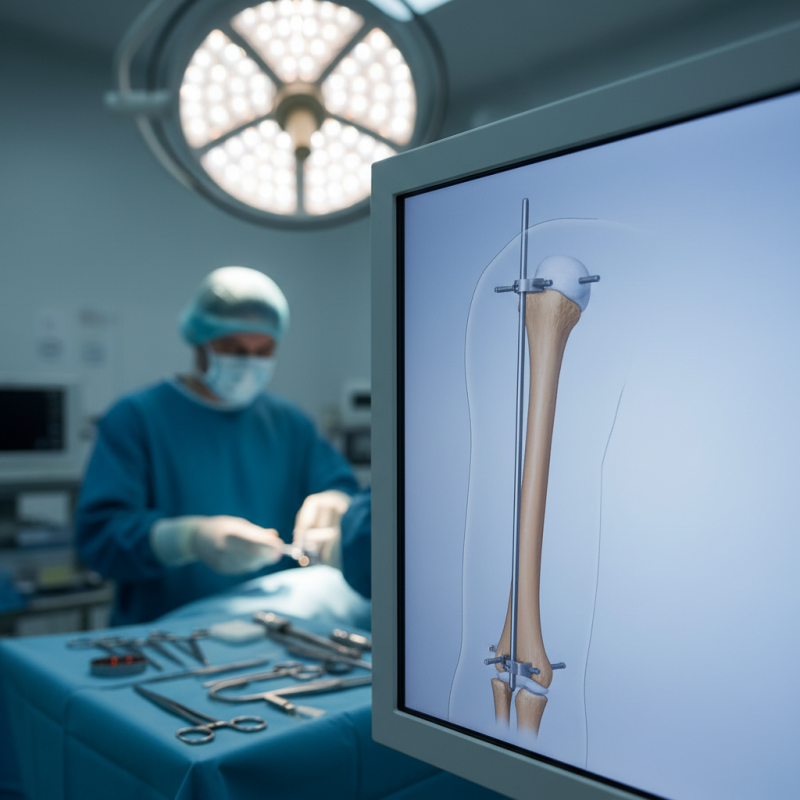
Understanding Humeral Interlocking Nails in Orthopedic Surgery
Humeral interlocking nails play a crucial role in orthopedic surgery. These devices provide stabilization for complex bone fractures in the humerus. A recent report from the Journal of Orthopedic Trauma indicated a significant reduction in healing time with this method. Patients often experience quicker recovery and improved mobility.
One notable aspect is the versatility of interlocking nails. They can be used in various fracture types, including oblique and spiral fractures. A study highlighted an 85% success rate in restoring function within six months. However, not all cases go smoothly. Some patients may face complications, such as infection or nonunion.
Surgeons must assess each situation carefully. Factors like age and bone quality can influence outcomes. A thorough preoperative evaluation is essential. While humeral interlocking nails offer numerous benefits, there is always room for improvement in surgical techniques and patient selection. The journey toward optimal healing is complex and demands ongoing research and reflection.
The Mechanism of Humeral Interlocking Nails in Fracture Fixation
Humeral interlocking nails play a vital role in bone fracture treatment. These devices stabilize fractured humerus bones effectively. They can be used for both simple and complex fractures. The interlocking mechanism allows for enhanced stability by preventing rotation. This feature is crucial for proper healing. Surgeons often prefer this approach in specific cases.
The design of the humeral interlocking nail is noteworthy. It is inserted into the medullary canal, minimizing bone disruption. This reduces pain and recovery time. Additionally, the screws provide secure fixation. They ensure that bone fragments remain aligned during healing. However, the placement of the screws demands precision. Misalignment can lead to complications.
While the benefits are clear, challenges exist. There is a risk of infection at the surgical site. Surgeons must follow strict hygiene protocols. Post-operative rehabilitation is essential. Patients may feel frustrated with the recovery process. It requires patience and consistent follow-ups. Understanding the mechanism behind these nails helps in acknowledging their value.
Advantages of Using Humeral Interlocking Nails Over Other Methods
When it comes to treating humeral fractures, interlocking nails offer distinct advantages. Research indicates that using interlocking nails results in a lower rate of malunion, typically reported around 6-8% compared to plate fixation's 15-20%. This is vital for ensuring proper bone healing and regaining function.
Interlocking nails provide stability in a less invasive manner. Reports show reduced healing times, with patients often returning to daily activities in approximately 12-16 weeks. The nails fit snugly within the bone, allowing for better load distribution. This minimizes stress on the surrounding tissues, which can lead to complications.
However, challenges exist. Surgical insertion can be intricate. Not all physicians may be trained in this technique. Post-operative complications, like infection, still occur, albeit at a lower rate than with traditional methods. Continuous research is necessary to refine techniques and improve outcomes. The nuanced advantages of interlocking nails make them a compelling choice but highlight the need for ongoing evaluation in clinical practice.
Advantages of Humeral Interlocking Nails for Bone Fracture Treatment
Indications for Humeral Interlocking Nails in Bone Fracture Treatment
Humeral interlocking nails are increasingly recommended for certain types of bone fractures. These nails provide stable fixation for complex humeral shaft fractures. They are especially useful for fractures with multiple fragments. Surgeons often choose them for patients who have experienced high-energy trauma.
Indications for using these nails include specific fracture patterns, like spiral or comminuted fractures. Patients with significant bone loss might also benefit from this method. The nails help maintain alignment during healing. However, not every fracture case is ideal for this approach. Some fractures can heal without surgery.
Post-operative complications can arise, so careful patient selection is crucial. Patients may experience soreness, or even mild infections. Every surgical option has its risks. Monitoring is essential during recovery. This method shows promise but requires skilled assessment to ensure the best outcome.
Post-Operative Care and Rehabilitation After Humeral Nail Surgery
Post-operative care is crucial after humeral nail surgery. Patients must adhere to the rehabilitation plan prescribed by their healthcare provider. It typically involves gentle range-of-motion exercises. These exercises help prevent stiffness and improve flexibility during recovery. Early mobility can reduce pain and support healing.
Pain management is another important aspect. Patients often experience discomfort post-surgery. Utilizing prescribed pain medications can help. However, it's essential not to rely solely on medication. Engaging in light activities, as recommended, can provide a more holistic approach to managing pain.
Rehabilitation also requires patience. Progress may be slow, and setbacks can occur. Regular follow-ups with the healthcare team are vital. They can assess healing and adjust the rehabilitation plan as necessary. Tracking progress in a journal can also encourage reflection and motivation. Each milestone counts, no matter how small.
