What is a Homogeneous Floor and Why Choose It?
In recent years, the trend of choosing a homogeneous floor has gained significant popularity. A homogeneous floor is a type of flooring made from a single layer of material. This design provides a seamless appearance, which can enhance the overall aesthetics of any space. Many people find it attractive for both residential and commercial properties.
The appeal of a homogeneous floor lies in its durability and ease of maintenance. It can withstand heavy foot traffic, making it suitable for high-traffic areas. However, some might find that it lacks the warmth of traditional wood or carpet. While the surface is easy to clean, it can be prone to scratching. Therefore, one must weigh the pros and cons before making a decision.
In choosing a homogeneous floor, color and texture play an essential role. The variety available can cater to diverse tastes and design themes. However, potential buyers should consider their lifestyle and the environment in which the flooring will be used. A careful evaluation can lead to a satisfying choice, even if it takes time to reflect on all the factors involved.
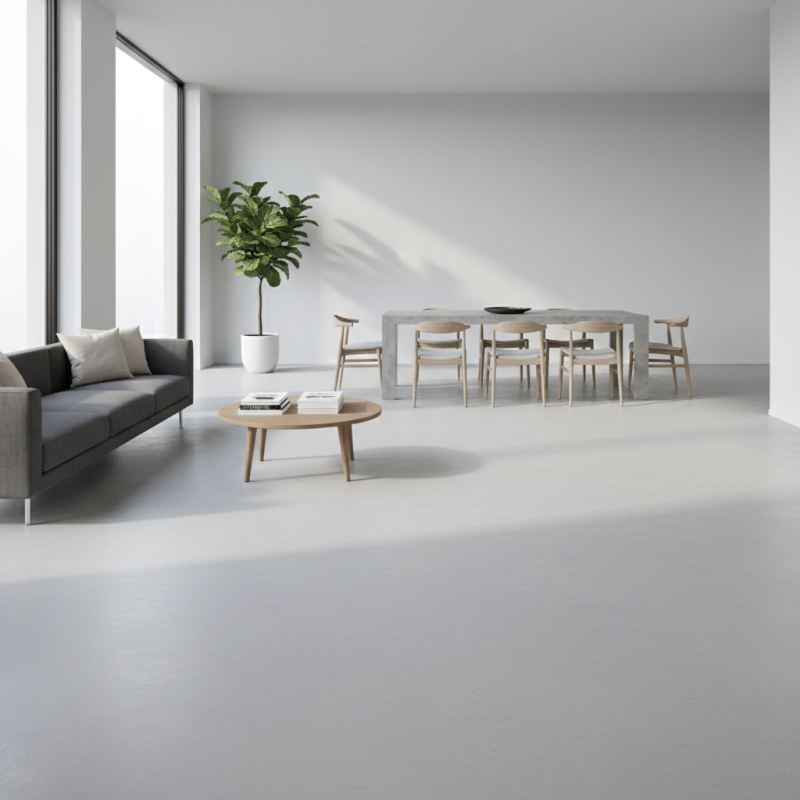
What is a Homogeneous Floor? Definition and Characteristics
A homogeneous floor is a type of flooring that is made from a single layer of material. This ensures uniformity in both appearance and performance. The main characteristic is that the color and pattern run through the entire thickness of the surface. This means that scratches or wear do not easily reveal a different color underneath.
One key feature of homogeneous flooring is its durability. It can withstand heavy foot traffic, making it suitable for commercial spaces. However, the initial investment might be higher compared to other flooring options. Installation can also be challenging, requiring skilled labor. Many choose this type of flooring for its easy maintenance. A damp mop is often enough to keep it clean.
Despite its advantages, a homogeneous floor isn’t always the best choice. It can feel cold and hard underfoot, which some people might find uncomfortable. There are limited design options compared to other flooring materials. As with any flooring decision, careful consideration is essential. The right choice ultimately depends on individual needs and the specific environment.
Key Benefits of Choosing Homogeneous Flooring for Commercial Spaces
Homogeneous flooring is a popular choice for commercial spaces. This type of flooring offers a uniform design that enhances aesthetic appeal. Its seamless surface minimizes dirt accumulation, making maintenance simpler. This characteristic is particularly beneficial in busy environments, where hygiene is crucial.
Durability is another key advantage. Homogeneous floors resist wear and tear from foot traffic and heavy equipment. They can retain their appearance over time, which is essential for maintaining a professional atmosphere. Additionally, they are available in various colors and patterns, allowing for creative choices that can reflect a brand's identity.
However, some may find the installation process challenging. It requires careful preparation and precise application. Mistakes can lead to costly repairs later on. Choosing the right installer is essential to avoid such pitfalls. Despite potential drawbacks, the benefits of homogeneous flooring make it a strong contender for commercial spaces looking for style and longevity.
Advantages of Homogeneous Flooring in Commercial Spaces
Industry Statistics on Durability and Maintenance of Homogeneous Floors
When considering flooring options, homogeneous floors stand out for their durability and maintenance. According to recent industry statistics, these floors can last up to 20 years when properly cared for. This longevity makes them an attractive choice for high-traffic areas like hospitals and schools. The seamless nature of homogeneous flooring helps to reduce wear and tear, minimizing scratches and scuffs.
Maintenance is another key factor to consider. Studies show that homogeneous floors require 30% less maintenance than traditional floor types. Daily cleaning is often straightforward. Usually, a damp mop and mild cleaner are all that’s needed. However, some users report that proper cleaning techniques can be tricky to master. It's essential to ensure that the right products are used, as harsh chemicals can damage the surface.
Another aspect worth noting is slip resistance. Industry data indicates that many homogeneous floors achieve high ratings for slip resistance, making them safer for everyday use. Still, installing them in wet areas may require additional precautions. Understanding the specific needs of your environment can help maximize the benefits of homogeneous flooring while addressing potential challenges.
What is a Homogeneous Floor and Why Choose It? - Industry Statistics on Durability and Maintenance of Homogeneous Floors
| Property | Homogeneous Flooring | Comparison (Traditional Flooring) |
| Durability (Years) | 20-30 | 10-15 |
| Maintenance Frequency (Times per Year) | 2-3 | 4-6 |
| Water Resistance (%) | 95% | 70% |
| Slip Resistance (R Value) | R10 | R9 |
| Cost per Square Foot ($) | $3-$7 | $2-$5 |
Comparative Analysis: Homogeneous Floors vs. Other Flooring Options
Choosing a flooring option can be daunting. Homogeneous floors stand out for their uniform composition. This results in a consistent appearance that is both appealing and easy to maintain. Unlike traditional tiles, these floors are less likely to crack and chip. Their durability is a key advantage, especially in high-traffic areas.
Comparing homogeneous floors to other options reveals important differences. For example, carpets can trap dust and allergens. Wooden floors might suffer from scratches and water damage. In contrast, homogeneous floors resist stains and are simple to clean. They come in various colors and designs, allowing for creative expression while still being practical. However, some may find the feel too hard underfoot compared to softer options like carpet.
The installation process can also be a factor. Some flooring options can be complex and time-consuming. Homogeneous flooring typically offers a more straightforward installation. Yet, it might require professional help for the best results. On the flip side, improper installation can lead to visible seams. These are points to consider when making a choice. Balancing aesthetics with functionality is essential. Each option has its pros and cons, and it is worth reflecting on personal needs.
Top Applications of Homogeneous Flooring in Various Industries
Homogeneous flooring is gaining popularity across various industries. This flooring type consists of a single layer of material, providing seamless and durable surfaces. It holds up well under heavy foot traffic, which is vital in busy environments. One key application is in healthcare settings. Hospitals benefit from homogeneous floors that are easy to clean and maintain. These surfaces reduce the risk of contamination, making them ideal for sterile environments.
Retail spaces also utilize homogeneous flooring. The variety of colors and designs allows for creative layouts. These floors can withstand frequent movement of customers and heavy displays. However, they can show scratches over time, requiring periodic maintenance.
Schools and educational facilities find this flooring beneficial too. It helps create safe and vibrant learning environments. Yet, schools must consider the impact of wear and tear as students move about. Additionally, while attractive, homogeneous floors may be slippery when wet, necessitating careful attention to safety.
