Essential Tips for Sourcing High Quality Gelatin Powder?
When sourcing high-quality Gelatin Powder, several factors come into play. This ingredient, derived from collagen, is crucial in various culinary applications. Gelatin Powder can enhance textures in desserts and provide a unique flavor. However, not all gelatin is created equal.
Finding reliable suppliers is vital. Look for those who prioritize quality and transparency. Check their production processes. Many producers claim high quality, but do their practices align with their promises? Researching their background can reveal a lot about their credibility.
Another aspect to consider is sourcing sustainably. Quality often ties back to how the animals were raised. Ethical sourcing increases the likelihood of getting superior products. Be cautious of overly cheap options; they might compromise on quality. Ensure you ask the right questions when dealing with suppliers. It's not just about the price. It's about the integrity of the product you are purchasing.
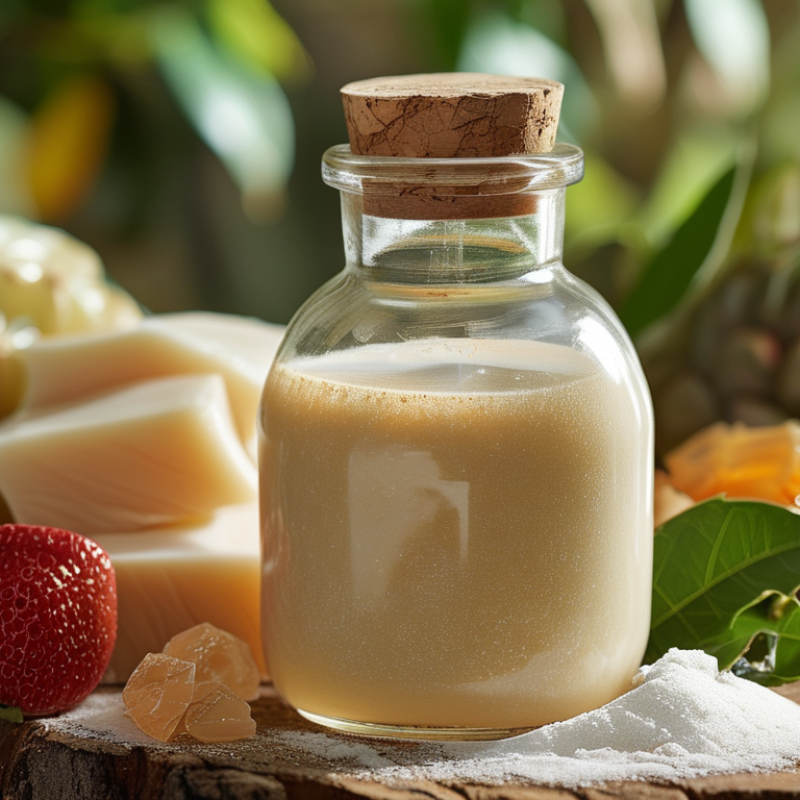
Understanding Gelatin Powder: Types and Sources
Gelatin powder is a versatile ingredient widely used in various culinary applications. Understanding its types and sources is essential for sourcing high-quality options. Gelatin is mainly derived from animal collagen, primarily from cows and pigs, but can also come from fish. This seasonal demand for specific sources can affect quality and availability.
Referring to industry reports, the global gelatin market size reached approximately $3 billion in 2020, showing a steady growth trend. This growth is driven by the food and beverage industry, as well as the pharmaceutical sector. A well-regarded analysis by Grand View Research highlights that in 2021, the edible segment held over 60% of the market share. Sourcing gelatin from reputable suppliers ensures that the product meets stringent safety and quality standards.
Quality can vary greatly between suppliers. Some gelatin powders undergo rigorous testing for purity and potency. However, not all sources prioritize these standards, leading to inconsistencies. When selecting gelatin powder, look for certified providers. This increases the likelihood of obtaining a product that meets both your needs and the industry’s regulatory requirements. Always check the sourcing methods to ensure ethical practices and sustainability.
Essential Tips for Sourcing High Quality Gelatin Powder
| Type of Gelatin | Source | Purity Level | Common Uses | Quality Indicators |
| Type A Gelatin | Porcine | > 90% | Desserts, Marshmallows | Clarity, Bloom Strength |
| Type B Gelatin | Bovine | > 85% | Jellies, Gummy Candies | Color, Odor, Taste |
| Fish Gelatin | Fish | > 85% | Dietary Supplements, Confectionery | Amino Acid Profile, Heavy Metals |
| Vegetarian Gelatin | Agar-agar | > 90% | Jelly, Pudding | Gelling Strength, Clarity |
Key Indicators of High-Quality Gelatin Powder
When sourcing high-quality gelatin powder, focus on several key indicators. The transparency of the product is crucial. Clear labeling that indicates the source of gelatin, whether it’s from beef, pork, or fish, helps ensure you choose a suitable option based on dietary preferences. You should also consider the extraction method. Gelatin should ideally be extracted through hydrolysis to maximize quality.
Another important aspect is the color and texture of the gelatin powder. High-quality gelatin is usually a light, off-white hue, free of impurities. A fine, consistent particle size suggests proper processing. Texture matters; it should dissolve easily in both hot and cold liquids, indicating its efficacy.
Finally, pay attention to the product’s certifications. Look for quality seals or organic certifications, which generally suggest a higher standard of production. These indicators can help you navigate the market. But remember, not every product will meet your expectations, so always be ready to reassess your choices based on performance in your specific applications.
Methods for Testing Gelatin Purity and Quality
When sourcing high-quality gelatin powder, verifying purity and quality is crucial. Various methods can help determine this. One common approach is to check for a specific bloom strength. Gelatin typically ranges between 100 and 300 bloom units. Higher bloom strength indicates better quality, which affects its gelling capabilities.
Testing for clarity is another method. High-quality gelatin should produce a clear solution when dissolved in water. Any cloudiness may indicate impurities, leading to subpar performance in recipes. Additionally, utilizing pH testing can provide insights into the gelatin's purity. A pH range of 4.0-6.0 is ideal. Results outside this range require further investigation.
To ensure you're sourcing quality gelatin, here are a few tips: always request a certificate of analysis (CoA) from suppliers. This document should detail the product's composition and purity levels. Consider sourcing from reputable manufacturers with a track record in the industry. Lastly, if possible, perform a sensory evaluation—check for odor and taste. This can provide further assurance of its quality.
In some cases, gelatin may not meet your expectations even if it passes initial tests. Always reassess suppliers based on your requirements. Quality matters significantly in the final product you produce.
Sourcing Gelatin: Assessing Supplier Credibility and Certifications
When sourcing gelatin powder, assessing supplier credibility is crucial. A reputable supplier should have appropriate certifications. Look for ISO and HACCP certifications, which indicate quality control and safety standards. This assures customers that the supplier adheres to strict production processes.
Don’t overlook customer reviews and testimonials. They provide insights into the supplier's reliability and product quality. Contact previous clients if possible. Genuine feedback can reveal the true picture of a supplier's performance. Consider suppliers that are transparent about their production methods.
However, not all suppliers can meet every expectation. Some might lack certifications that are strictly necessary. Others might have quality fluctuations. This raises concerns about consistency in supply. A careful assessment can help mitigate risks and ensure that you choose the right partner in your gelatin sourcing journey.
Market Trends and Demand for Gelatin in Various Industries
The demand for gelatin is increasing across various industries. Global Market Insights reports that the gelatin market may exceed USD 5 billion by 2026, driven primarily by the food and pharmaceutical sectors. Trends indicate that consumers favor products with natural ingredients. This shift impacts sourcing decisions, urging suppliers to prioritize quality.
In the food industry, gelatin is pivotal in creating textures and stabilizing products. The rise in demand for plant-based alternatives also affects gelatin sourcing. The challenge lies in finding high-quality sources that meet evolving consumer preferences. Suppliers must invest in understanding these trends to stay competitive.
When sourcing gelatin powder, consider these tips: prioritize suppliers with transparent sourcing practices. Investigate certifications that guarantee purity and quality. Look for suppliers who offer samples for quality testing. A careful selection process can prevent future setbacks and ensure compliance with industry standards.
