10 Essential Tips for Achieving Chemical Compliance Success?

Achieving chemical compliance is vital for businesses in the chemical industry. It ensures safety, protects the environment, and maintains regulatory standards. Compliance can seem daunting, with numerous regulations and guidelines to follow. Yet, a well-structured approach simplifies this process.

Understanding chemical compliance requires expertise in both the regulations and the processes involved. It is not just about avoiding penalties; it also reflects a company's commitment to safety and sustainability. Companies often struggle with varying regulations nationally and internationally. This complexity demands ongoing education and adaptation.

Many organizations make common mistakes, such as overestimating their current compliance state. This creates vulnerabilities and potential risks. Reflecting on past compliance issues can lead to better practices in the future. By focusing on continuous improvement, businesses can enhance their strategies. Ultimately, achieving chemical compliance is not merely a legal obligation; it fosters trust and credibility within the industry.

10 Essential Tips for Achieving Chemical Compliance Success?

Understanding Chemical Compliance: Key Concepts and Regulations

Chemical compliance is a critical aspect for industries dealing with hazardous materials. Understanding the key concepts is essential. Regulations often require extensive documentation and adherence to standards. According to a recent report from the World Health Organization, improper handling of chemical substances leads to over 1 million visits to hospitals each year. This statistic highlights the dire need for effective compliance strategies.

Organizations must stay informed about various regulations. These include REACH in the EU and OSHA standards in the U.S. Effective training programs can mitigate risks and improve compliance. However, many companies still struggle with maintaining up-to-date safety data sheets (SDS). In fact, a survey by the International Chemical Industry Association revealed that 30% of businesses do not regularly review their compliance documentation.

Shortcomings in compliance efforts can have significant consequences. Fines and legal repercussions can greatly impact a company’s bottom line. Companies should regularly audit their practices. Engaging experts in chemical safety can provide valuable insights. Relying solely on internal teams may lead to oversights. Emphasizing a culture of safety and compliance is vital for long-term success.

10 Essential Tips for Achieving Chemical Compliance Success

Tip Description Relevant Regulations Best Practices
Understand Your Chemicals Identify and classify all chemicals used in your operations. OSHA, EPA Maintain an updated chemical inventory.
Stay Updated on Regulations Monitor changes in chemical regulations and compliance requirements. REACH, GHS Subscribe to regulatory updates from agencies.
Training and Awareness Provide employees with regular training on chemical safety and compliance. OSHA, ANSI Conduct annual compliance workshops.
Maintain Proper Documentation Ensure all chemical usage and safety data sheets are documented. SDS, EPA Use a centralized digital documentation system.
Emergency Response Plan Develop an emergency response plan for chemical spills and accidents. EPA, OSHA Regularly practice emergency drills.
Conduct Risk Assessments Identify risks associated with chemical handling and storage. OSHA, EPA Update risk assessments annually or when changes occur.
Labeling and Signage Ensure all chemicals are properly labeled with hazard information. GHS, OSHA Implement standard labeling protocols across the facility.
Proper Storage Practices Store chemicals according to their compatibility and hazard classification. EPA, OSHA Use appropriate shelving and storage containers.
Regular Audits and Inspections Perform regular audits to ensure compliance with chemical regulations. OSHA, EPA Schedule semi-annual compliance inspections.
Engage with Experts Consult with environmental and safety professionals for compliance advice. EPA, ANSI Establish relationships with regulatory consultants.

Identifying Chemicals: Inventory Management and Risk Assessment

Effective chemical compliance begins with a robust inventory management system. Understanding what chemicals you have is vital. Keep an up-to-date inventory log to track quantities and storage locations. Categorizing chemicals based on their risks can enhance safety. For example, store flammable materials separately from oxidizers. Regular audits of your inventory can reveal discrepancies. These audits may prompt you to rethink your storage practices.

Risk assessment is equally crucial for compliance. Evaluate potential hazards associated with each chemical. This includes health risks and environmental impacts. Conduct thorough assessments regularly. Engage trained professionals for unbiased evaluations. They will help identify overlooked risks. Documenting risks helps in developing an action plan. It also fosters a culture of safety within the organization.

Tip: Create a clear labeling system for all chemicals. Labels should disclose all necessary information, including hazard warnings. Clear communication prevents accidents. Another key tip: Implement a training program for employees. Continuous education can keep safety protocols fresh and effective. Conducting regular training sessions also invites feedback. Employees may provide insights on safety that management can miss.

10 Essential Tips for Achieving Chemical Compliance Success

Developing a Comprehensive Compliance Plan: Steps to Implementation

10 Essential Tips for Achieving Chemical Compliance Success?

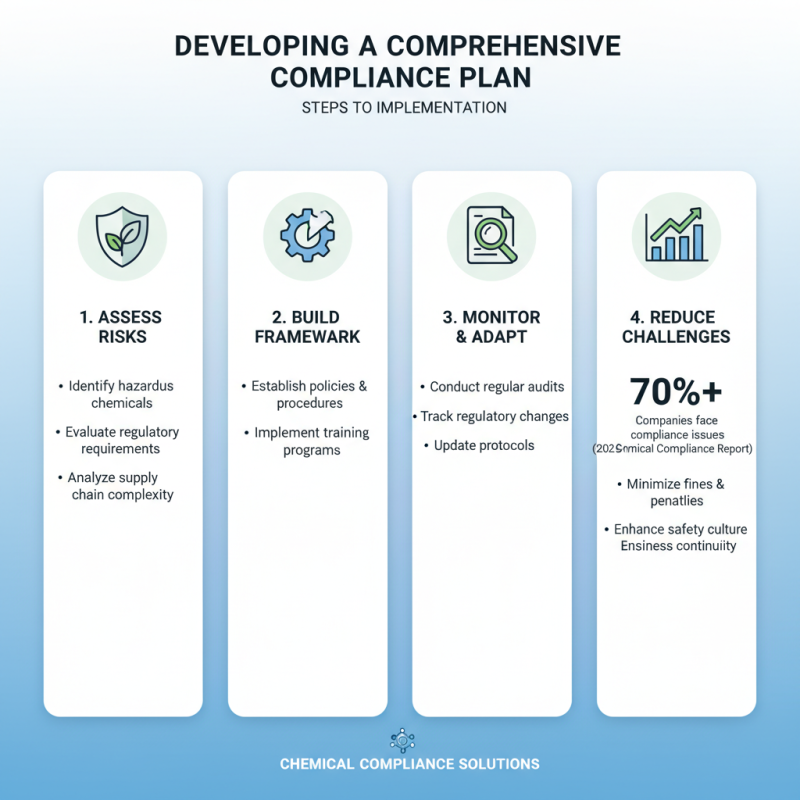
Developing a comprehensive compliance plan is critical for any organization dealing with chemicals. A well-structured approach can significantly reduce risks. The 2023 Chemical Compliance Report indicates that over 70% of companies face compliance challenges. These challenges can arise from regulatory changes and complex supply chains.

Implementation starts with a clear understanding of applicable regulations. Organizations must evaluate relevant local and international standards. This evaluation allows for a tailored framework that addresses specific risks. Gathering data from stakeholders improves accuracy. Engaging with experts adds credibility to the process. It's essential to ensure that all employees are trained in compliance requirements.

Monitoring is another vital aspect of the plan. Regular audits and assessments help identify potential gaps. A 2022 industry survey showed that 60% of firms with proactive monitoring reduced incidents. Continuous improvement should be a priority. Reflecting on compliance failures demonstrates growth opportunities. Adjusting the compliance plan based on findings can lead to enhanced safety and efficiency.

Training and Awareness: Educating Employees on Compliance Standards

10 Essential Tips for Achieving Chemical Compliance Success?

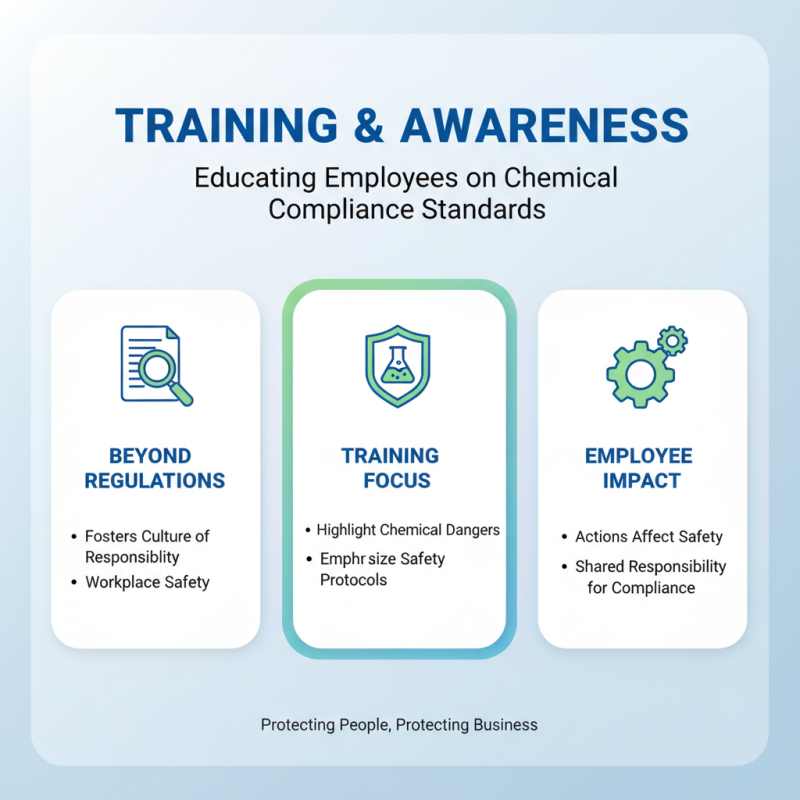
Educating employees on compliance standards is crucial for any organization handling chemicals. Compliance goes beyond just understanding regulations; it involves fostering a culture of awareness and responsibility. Training programs should not only highlight the dangers of chemicals but also emphasize the importance of following safety protocols. Employees must recognize that their actions directly impact workplace safety.

Interactive training sessions can make complex regulations more relatable. Case studies encourage employees to think critically about compliance issues. Additionally, regular refresher courses keep the information fresh. However, one common pitfall is assuming that one training session is enough. Information fades over time, and periodic training is necessary.

Encouraging open discussions is vital. Employees should feel comfortable asking questions or expressing concerns. This transparency can unveil gaps in knowledge. Additionally, organizations must be open to feedback about their training methods. Ultimately, nurturing a proactive approach to compliance makes a significant difference in workplace safety.

Monitoring and Reporting: Ensuring Ongoing Compliance and Improvement

Monitoring and reporting are critical components of chemical compliance. Ongoing compliance requires regular checks and transparent documentation. Establish a consistent schedule for monitoring chemical usage and safety practices. Use data collection tools to help track compliance metrics effectively. The more you monitor, the better your understanding of your processes will be.

Consider implementing an internal audit system. This can reveal gaps in compliance and areas for improvement. Regular audits provide insights into potential risks and non-compliance issues. They allow teams to self-correct before external audits occur. Employees should be trained to report discrepancies promptly, which fosters a culture of accountability.

Feedback loops are vital. Establish regular meetings to discuss compliance updates and areas for improvement. Allow teams to share their observations and suggestions. This not only enhances compliance but also empowers employees. Remember, compliance is not a one-time achievement. It is an ongoing effort that evolves with changing regulations and practices. Reflect on your current methods. Are they effective? Continuous improvement is key.