2026 How to Ensure Safety with Chemicals in Your Everyday Life?
In our daily lives, we encounter various chemicals, from household cleaners to personal care products. Ensuring safety with chemicals is crucial for maintaining a healthy environment. Many people overlook the potential risks associated with common items. For example, some cleaners can cause skin irritation or respiratory issues.
Being informed is the first step. Knowing what ingredients are in your products can promote safety with chemicals. Reading labels helps identify harmful substances and safer alternatives. Sometimes, it feels overwhelming. Some chemicals are hidden, making it harder to stay vigilant.
Creating safer habits takes effort and awareness. Using gloves while cleaning or ventilating spaces can reduce exposure. While we strive for safety, we should reflect on our choices. Are we fully aware of what we bring into our homes? With small adjustments, we can improve our safety with chemicals and protect our health and families.
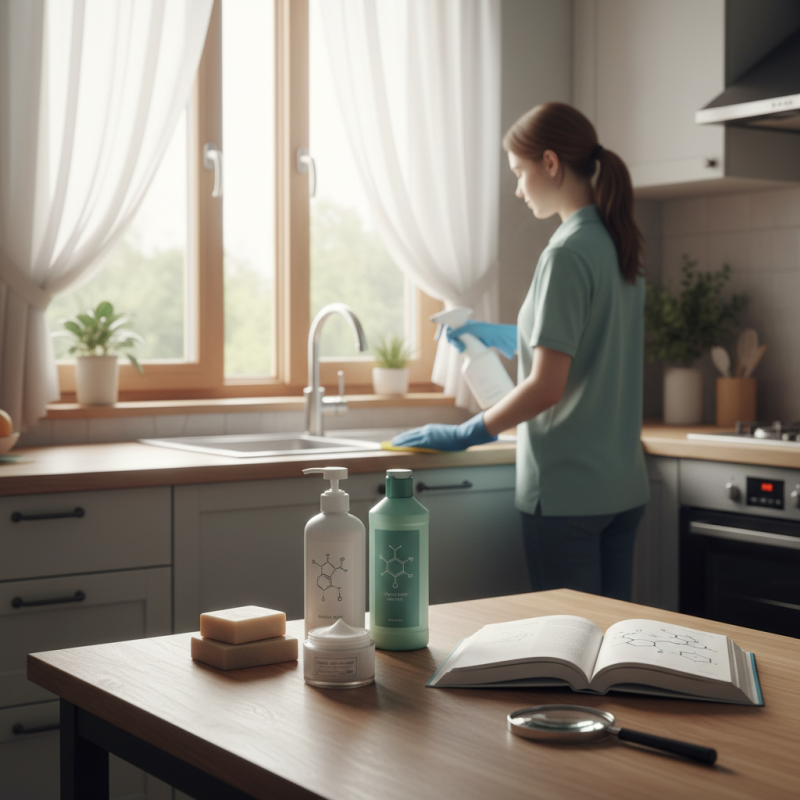
Understanding Common Household Chemicals and Their Risks
Household chemicals are everywhere. They can clean, disinfect, and make life easier. But, many of these substances pose risks to health. According to the U.S. Environmental Protection Agency (EPA), indoor air pollution can be two to five times worse than outdoor air. Products like cleaners, air fresheners, and pesticides contribute to this issue.
Common cleaning agents usually contain volatile organic compounds (VOCs). These can lead to headaches, dizziness, or even respiratory issues. In a 2020 study from the American Thoracic Society, exposure to cleaning products increased the risk of asthma by up to 30%. This statistic is alarming for families who assume these items are safe.
In kitchens, ingredients like bleach or ammonia can be dangerous if mixed incorrectly. Such combinations can release toxic gases. It’s crucial to store these items safely and use them in well-ventilated spaces. Awareness is key. Not everyone reads labels, and many do not recognize the dangers. A lack of education about these risks can leave individuals and families vulnerable.
2026 How to Ensure Safety with Chemicals in Your Everyday Life?
| Household Chemical |
Common Use |
Potential Risks |
Safety Tips |
| Bleach |
Disinfectant |
Skin irritation, respiratory issues |
Use in well-ventilated areas, wear gloves |
| Ammonia |
Glass cleaner |
Toxic fumes, irritation |
Avoid mixing with bleach, use protective gear |
| Vinegar |
Cleaning agent |
Mild acid, skin and eye irritation |
Dilute with water, avoid prolonged contact |
| Baking Soda |
Baking and deodorizing |
None significant |
Safe for all uses, non-toxic |
| Isopropyl Alcohol |
Disinfectant and cleaner |
Flammability, skin drying |
Store away from heat, use sparingly |
Identifying Safe Alternatives to Hazardous Materials
In our daily lives, the presence of hazardous materials can be alarming. Many common products contain chemicals proven to be harmful. For instance, a report from the Environmental Protection Agency (EPA) indicates that over 80,000 chemicals are in use, with many lacking comprehensive safety data. This leaves consumers in the dark when making choices.
Identifying alternatives is critical. Safe substitutes for hazardous chemicals exist. For example, vinegar can replace chlorine-based cleaners. Not only is it less toxic, but it is also effective in removing grime. The World Health Organization emphasizes the importance of safer products, citing that they can reduce health risks by up to 35%.
However, reliance on “natural” labels can lead to misconceptions. Not all plant-based products are safe. A recent study found that some contain allergens or irritants. Awareness and education are vital. People need to read labels carefully and understand the ingredients they use. Making informed choices is not always easy, but it is essential for our health and safety.
2026 How to Ensure Safety with Chemicals in Your Everyday Life?
This chart represents the percentage of individuals who have transitioned to safer alternatives for common household chemicals over the years.
Best Practices for Storing and Disposing of Chemicals Safely
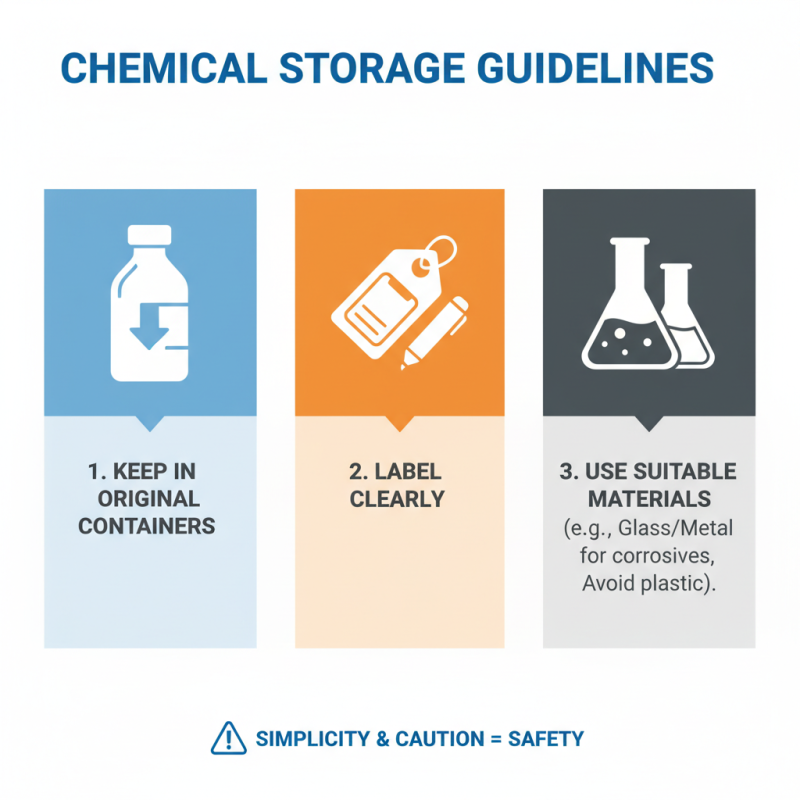
When it comes to storing chemicals, simplicity and caution are key. Keep these substances in their original containers. Always label them clearly. Use containers that are made from materials suitable for the chemicals inside. This helps prevent accidents. For example, some chemicals can eat through plastic. Therefore, glass or metal may be better choices.
Store chemicals in a cool, dry place, away from sunlight. High temperatures can cause chemical reactions. A locked cabinet is a good option, especially if you have children. Consider using secondary containment, like trays, to catch spills. Not all households need every chemical on hand. Reflect on what you actually use and prune unnecessary items.
Disposing of chemicals requires similar care. Never pour them down the drain. This can contaminate water supplies. Instead, check local guidelines for hazardous waste disposal. Some communities have special events for chemical drop-off. It’s important to keep these materials away from normal trash. Otherwise, they could cause harm to the environment. Always think twice about your practices. Safety should be a priority in every household.
Simple Steps to Minimize Chemical Exposure in Daily Life
Chemicals are all around us, hidden in our everyday products. Many of us are unaware of their potential risks. According to a report from the World Health Organization, about 1 in 10 people suffer from chronic health issues related to chemical exposure. It’s crucial to take steps to minimize these risks.
Start with your cleaning products. Many contain harmful chemicals that release volatile organic compounds (VOCs). Switch to eco-friendly options that are safer for your home. They often perform just as well without leaving toxic residues. Additionally, avoid microwave popcorn bags and packaged foods that may contain chemical coatings, like perfluoroalkyl substances (PFAS). These chemicals can linger in the environment and pose long-term health risks.
Consider your personal care items. Many cosmetics have hidden harmful ingredients. Research indicates that women use an average of 12 personal care products daily, exposing themselves to 168 chemicals. Look for labels that avoid parabens and phthalates. Take time to examine ingredients. Embracing simpler, more natural options can make a significant difference. The task might seem daunting, but small changes lead to safer outcomes. Reflect on your choices; even minor adjustments can accumulate and promote better health over time.
Emergency Procedures for Chemical Incidents at Home
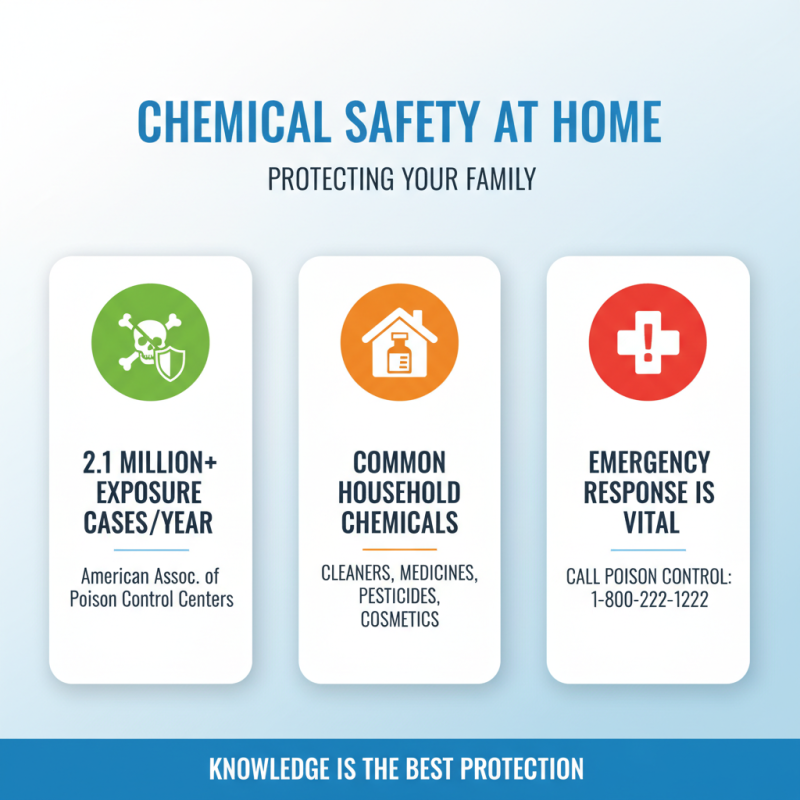
Chemical safety at home is a critical concern. According to the American Association of Poison Control Centers, there are over 2.1 million exposure cases reported each year. Many of these incidents involve common household chemicals. Knowing how to respond in an emergency is vital.
When a chemical spill occurs, every second counts. Start by ensuring everyone is safe and away from the area. Follow the instructions on the product label for proper cleanup. If the skin or eyes are affected, rinse with water for at least 15 minutes. Call emergency services if necessary. It’s important to keep emergency numbers visible and easily accessible.
Preparation also involves having a chemical safety kit. This should include gloves, goggles, and absorbent materials. Educate your family about potential hazards. Regularly review emergency procedures together. In a survey by the National Safety Council, 60% of households reported having no safety plan. This needs to change. Small actions can lead to significant safety improvements.