How to Use HPMC for Liquid Detergents Effectively?
In the evolving landscape of household products, the role of HPMC for Liquid Detergents has grown in importance. Dr. Emma Cartwright, a leading expert in surfactant chemistry, states, "HPMC enhances stability and performance in liquid formulations." This statement underlines the ingredient’s potential in enhancing the efficacy of liquid detergents.
The use of HPMC provides unique benefits, but challenges remain. Manufacturers must ensure proper dosage and mixing techniques. When incorporated correctly, HPMC can boost viscosity and create a smooth texture. However, improper use may lead to inconsistent results.
Practical applications of HPMC in detergent formulations reveal both possibilities and limitations. Users may notice improved cleaning power, yet they might also face issues with solubility. Finding the right balance in formulation is crucial for achieving optimal performance.
Understanding HPMC and Its Role in Liquid Detergents
Hydroxypropyl Methylcellulose (HPMC) is a crucial ingredient in liquid detergents. It serves as a thickener, providing the desired viscosity. This helps products adhere better to surfaces while cleaning. Understanding how HPMC works will improve detergent formulations.
HPMC possesses unique properties. It is soluble in cold water, allowing for easy incorporation into formulations. The viscosity can be adjusted for specific applications. When using HPMC, pay attention to its concentration. Too much can make the detergent overly thick, reducing its effectiveness.
**Tips:** Test different concentrations. This helps find the right balance. Consider combining HPMC with other thickeners. This can enhance performance. Monitor the pH of your formulation, as it impacts HPMC's behavior. Adjustments might be necessary for optimal results. Not every formulation will be perfect at first. Plan for iterations and improvements.
Key Properties of HPMC for Optimal Performance in Formulations
Hydroxypropyl Methylcellulose (HPMC) is a versatile ingredient in liquid detergents. Its unique properties enhance product performance significantly. HPMC acts as a thickener, stabilizer, and even a film-forming agent. These qualities make it essential for achieving the desired viscosity and texture in your formulations.
Using HPMC effectively requires attention to detail. Ensure the correct concentration is applied. Too little may not provide sufficient thickness, while too much can lead to overly sticky products. It's crucial to understand the balance needed to meet performance expectations.
Tip: Test your formulations in small batches first. This allows for adjustments before full-scale production. Additionally, consider the temperature of your mixing process. Heat can affect HPMC's solubility, leading to inconsistent results.
HPMC also enhances the stability of liquid detergents. During storage, products can separate or change in viscosity. HPMC helps maintain uniformity over time. However, not all HPMC grades behave similarly. Choose the right type based on your specific detergent needs.
Tip: Keep precise records of your formulations. This helps identify what works and what doesn’t. Reflection on past errors informs better practices in future developments.
Effective Mixing Techniques for Incorporating HPMC in Liquid Detergents
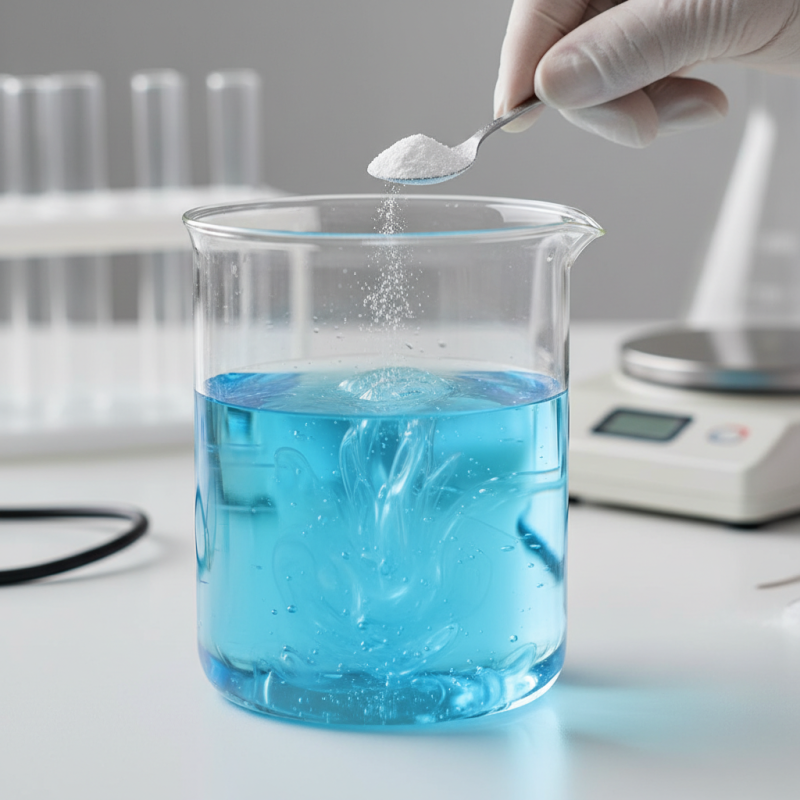
Incorporating Hydroxypropyl Methylcellulose (HPMC) into liquid detergents requires precision in mixing techniques. Reports indicate that improper blending can reduce effectiveness by up to 30%. Therefore, achieving a uniform consistency is crucial. This can be done by gradually adding HPMC into the liquid while stirring. Using a high-shear mixer increases the distribution of HPMC. It creates a more stable product.
Temperature also plays a vital role. Mixing at the right temperature prevents clumping. Studies show that mixing HPMC at 25°C yields better results than at lower or higher temperatures. However, maintaining this temperature during production can be challenging. Over time, operators may neglect temperature control, leading to inconsistent mixtures.
Understanding the time required for proper incorporation is essential. Typically, allowing 15 to 30 minutes of continuous mixing is advisable. Yet, some operators may rush this step, resulting in undissolved particles. Fine-tuning the mixing time is necessary for optimal performance. Monitoring viscosity regularly during the process can provide valuable insight into the effectiveness of the technique.
Effectiveness of HPMC in Liquid Detergents
Best Practices for Testing and Evaluating HPMC-Empowered Detergents
When developing HPMC-empowered liquid detergents, testing is crucial. It ensures that the detergent meets effectiveness and safety standards. Start with small batches. Observe how the HPMC interacts with other ingredients. Keep notes on viscosity and stability.
Evaluating performance can be tricky. Conduct various washing tests on different fabrics. Pay attention to stains and dirt removal. Are the results consistent? Use test strips to gauge the cleanliness outcomes. Sometimes, results may vary significantly. This might require fine-tuning of the formulation.
Consumer feedback is invaluable. Gather insights from potential users after testing. Understand their preferences and concerns. Is there a lingering residue? Are they satisfied with scent and texture? These reflections can highlight areas for improvement. Adjustments made based on real-world usage can enhance overall product quality.
How to Use HPMC for Liquid Detergents Effectively? - Best Practices for Testing and Evaluating HPMC-Empowered Detergents
| Parameter | Measurement Method | Optimal Range | Comments |
| Viscosity | Brookfield Viscometer | 500 - 1500 mPa·s | Ideal viscosity for optimal performance |
| pH Level | pH Meter | 5.5 - 7.5 | Neutral pH ensures stability |
| Active Ingredients | Titration Method | 10% - 30% | Balance between cleaning and viscosity |
| Foam Stability | Foam Height Measurement | Stable for at least 10 minutes | Essential for user satisfaction |
| Heat Stability | Thermal Stability Test | Up to 60°C without change | Necessary for various storage conditions |
Stability and Shelf Life Considerations for HPMC-Enhanced Products
Using HPMC in liquid detergents can greatly enhance their performance. However, the stability and shelf life of these products can be challenging. HPMC, or hydroxypropyl methylcellulose, is known for its thickening and emulsifying properties. But its effectiveness can fluctuate based on storage conditions.
When HPMC is mixed with liquid detergents, it can create a more uniform product. Yet, over time, temperature changes can cause separation or sedimentation. The optimal pH range is crucial as well. A mismatch can lead to decreased viscosity and affect cleaning power. Maintaining a consistent environment is essential for preserving product integrity.
Moreover, the interactions between HPMC and other ingredients can be unpredictable. In some formulations, HPMC may not interact well, resulting in instability. Regular evaluations for viscosity and appearance are necessary. Observing these factors can highlight potential issues before they impact the end product.