How to Choose the Right Specialty Material for Your Needs?
The choice of specialty material can make or break a project. With advancements in technology, the specialty materials market has grown substantially. According to a report by MarketsandMarkets, the global specialty materials market is expected to reach $1 trillion by 2025, reflecting a CAGR of 5.6% from 2020.
Understanding the specific requirements of a project is crucial. Specialty materials, such as composites, ceramics, and engineered plastics, offer unique properties like lightweight, corrosion resistance, and enhanced durability. These characteristics can significantly improve performance and longevity. However, selecting the wrong material can lead to failures and increased costs.
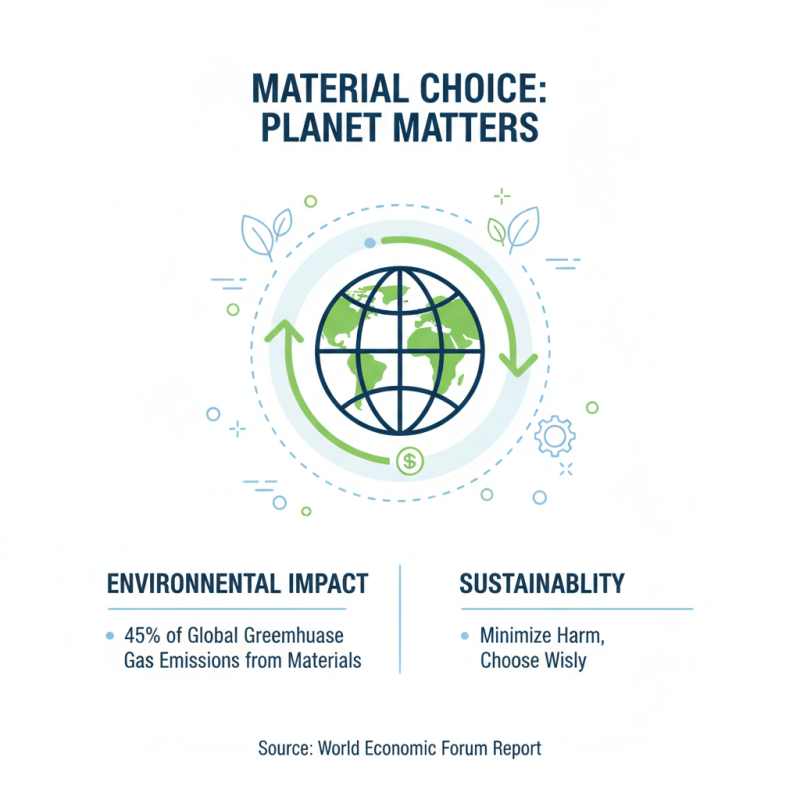
Moreover, the growing emphasis on sustainability is influencing material choices. Many industries are shifting toward eco-friendly options. Innovators strive to balance performance and environmental impact. Sometimes, what seems like a perfect solution might not provide the expected results. Extensive research and expert consultation can help navigate these complex decisions. Choosing the right specialty material involves more than just comparing specifications; it requires critical evaluation of long-term implications.

Understanding Different Types of Specialty Materials Available
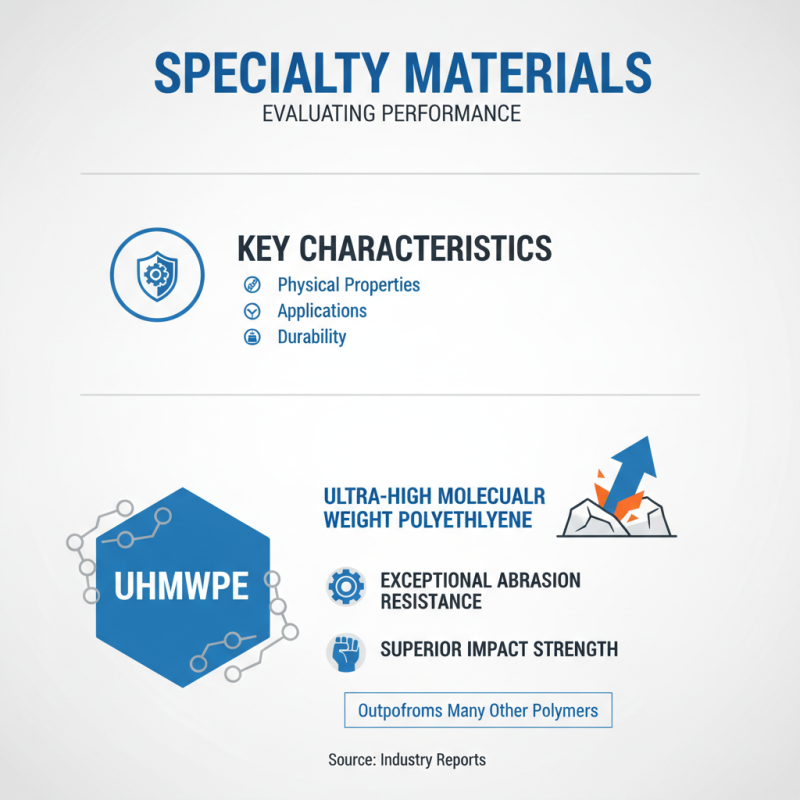
When selecting the right specialty material, it’s essential to understand the various types available. Specialty materials can include composites, metals, and polymers. Each type has unique properties suited for specific applications. According to a report by the Grand View Research, the global composite materials market is projected to reach $150 billion by 2025. This growth emphasizes their increasing importance across industries like aerospace and automotive.
Metals, particularly titanium and aluminum, offer excellent strength-to-weight ratios. They are ideal for applications where weight is critical. However, they can also be expensive and may require complex manufacturing processes. A study from the International Journal of Material Science highlights that metals often have limited flexibility, which can be a drawback in certain designs.
Polymers, on the other hand, tend to be more cost-effective. They are lightweight and can be molded into complex shapes. However, some polymers may lack the durability of metals or composites. Understanding the trade-offs is crucial. Selecting the right material isn’t just a technical decision; it demands a careful analysis of the project's specific requirements. Balancing performance, cost, and environmental impact can be challenging yet necessary for successful material selection.
Assessing Cost-Effectiveness for Your Specialty Material Needs
When assessing cost-effectiveness for specialty materials, one must consider several key factors. According to a recent industry report, nearly 70% of companies evaluate total lifecycle costs rather than just initial procurement price. This approach helps identify hidden costs related to maintenance, durability, and performance over time. Selecting the right materials can significantly impact both short-term expenses and long-term savings.
Understanding the requirements of your project is crucial. A study by the Materials Science Institute shows that projects using high-performance materials can reduce maintenance costs by up to 30%. However, these materials often come with a higher upfront cost. Evaluating how often maintenance occurs can guide your decision-making. Sometimes a cheaper material might lead to more frequent repairs.
Sustainability is another essential aspect. A report from the Eco-Materials Network indicates that sustainable materials can reduce overall project costs by 15%. While they may seem pricey upfront, their environmental benefits and lower energy costs are crucial. Taking a holistic view of the costs associated with both traditional and innovative materials can lead to better choices for your needs.
Identifying Industry Standards and Certifications for Specialty Materials
Choosing the right specialty material hinges on understanding the relevant industry standards and certifications. Different industries have specific requirements that guide material selection. For instance, construction materials must often comply with safety and environmental regulations. A material might excel in one area but fall short in another. This makes research imperative.
Certifications play a crucial role in assessing a material's credibility. Common certifications include ISO standards and ASTM compliance. These ensure that materials meet certain performance benchmarks. However, not all certifications are created equal. Some may be outdated or not applicable to specific use cases. It’s vital to verify their relevance within your industry.
You may find discrepancies in available information. Some certifications might not clearly articulate performance metrics. This can lead to confusion when making choices. Engaging with industry experts can provide insight into material selection. Their experience can help navigate through the complexities of standards and certifications. It’s essential to question the reliability of each source. Understanding these nuances will lead to better decision-making.
How to Choose the Right Specialty Material for Your Needs? - Identifying Industry Standards and Certifications for Specialty Materials
| Material Type |
Industry Standard |
Certifications |
Common Applications |
| Aluminum |
ASTM B211 |
ISO 9001 |
Aerospace, Automotive |
| Titanium |
ASTM B348 |
AS9100 |
Medical Implants, Aerospace |
| Stainless Steel |
ASTM A240 |
ISO 13485 |
Food Processing, Chemical Processing |
| Polyethylene |
ASTM D1248 |
FDA Compliant |
Packaging, Containers |
| Carbon Fiber |
ASTM D7264 |
ISO 9001 |
Sports Equipment, Aerospace |