How to Choose the Best PET Release Film for Your Needs?
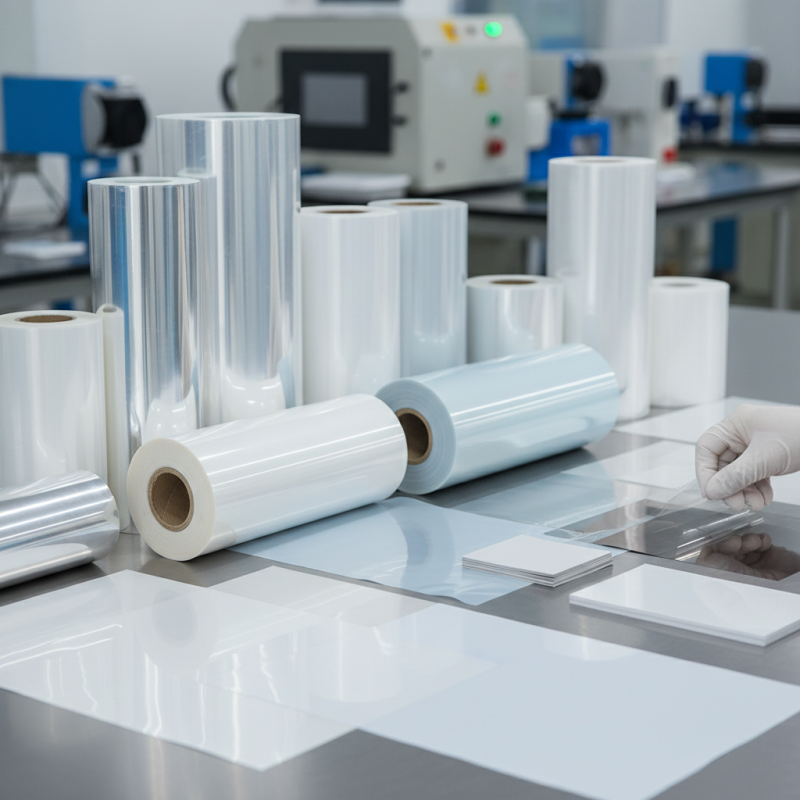
Choosing the right PET Release Film is crucial for your projects. This film serves as a reliable surface for various applications. Selecting an unsuitable type can lead to problems like poor adhesion or damage to products.
When considering PET Release Film, think about the specific needs of your application. Factors like thickness, release properties, and surface finish matter. These details can make a significant difference in your outcomes. It’s essential to recognize that not all films are created equal. You may face challenges if you rely on general recommendations.
Take time to research different manufacturers and their offerings. Look for companies with a proven track record in the industry. User reviews can provide insights into product reliability. Remember that each project has unique demands. Finding the best PET Release Film is about aligning the material with your specific requirements.
Understanding the Basics of PET Release Film and Its Applications
PET release film plays a crucial role in various industries. Understanding its basics helps in selecting the right type for specific applications. This film is designed to prevent adhesives from sticking to unwanted surfaces. It is often used in industries such as packaging, electronics, and textiles. The surface treatment of PET film may vary, influencing release properties.
Different applications may require distinct film characteristics. For instance, lower adhesion is beneficial for easy separation in packaging. In contrast, a stronger release might be needed for complex electronic components. The thickness and surface texture also impact performance. Users should consider these factors to ensure optimal results.
Selecting the right PET release film isn't purely about specifications. It often demands careful testing and evaluation. Users need to reflect on their unique needs and how the film behaves under specific conditions. Every choice might lead to different outcomes, underscoring the importance of trial and error in finding the perfect match.
Key Factors to Consider When Selecting PET Release Film
Choosing the right PET release film requires careful consideration of several key factors. The film's thickness is crucial. Thicker films often provide better durability but may not conform well to intricate shapes. Conversely, thinner films are more flexible but may not offer the same level of protection against sticking. It's essential to balance these factors based on your specific application needs.
Another important aspect is the surface treatment of the film. Different treatments affect the release properties. For instance, a silicone coating may ensure a smoother release, but it could also introduce variability in performance. Understanding the interaction between the release film and the materials it will contact is vital. Testing in your specific environment can reveal nuances that standard specifications may not cover.
Adhesion properties also play a significant role in the film's performance. Inconsistent adhesion can lead to drawbacks, such as poor performance or damage to the underlying substrate. It's sometimes challenging to predict how a film will perform in real-world applications. Continuous evaluation and adjustments may be necessary to ensure optimal results. Keeping these factors in mind can help guide your selection process effectively.
Different Types of PET Release Film and Their Features
When selecting a PET release film, understanding the different types available is crucial. PET (Polyethylene Terephthalate) films come in various forms, each with unique features that cater to specific needs. For instance, standard PET films are versatile and suitable for numerous applications, from label production to protective coverings. They exhibit excellent clarity and strength, making them a popular choice.
Another option is silicone-coated PET films. These films provide a non-stick surface, ideal for applications requiring easy release properties. They are widely used in graphics, adhesive applications, and medical supplies. However, selecting the right coating can be challenging, as it influences the film’s performance.
Tips: Always assess your specific requirements before purchasing. Consider factors such as adhesive properties and environmental conditions. Testing samples can reveal how films work in real situations. Don't overlook that some films may curl or warp under certain conditions. Recognizing these imperfections can guide you toward a more suitable option. Understanding your application will help you choose effectively.
Analyzing Cost vs. Quality in PET Release Film Choices
Choosing the right PET release film involves balancing quality and cost effectively. Many factors come into play when making this decision. Quality films often provide better release properties and longer durability. However, higher quality typically comes with a higher price tag. This is where careful consideration is essential.
It’s vital to assess your specific application needs. For short-term projects, lower-cost options may suffice. But, investing in premium films often pays off in critical uses, such as medical or automotive applications. These industries require films that perform consistently over time. A faulty film can lead to costly errors.
While navigating this decision, keep in mind that not all films are created equal. Research thoroughly and gather data about various options. Talk to industry experts to gain insights. Sometimes, cheaper films lead to unintended consequences, such as poor performance. Weigh the risks and benefits to find the best fit for your situation, ensuring you don’t compromise essential quality for savings.
Evaluating Supplier Reliability and Product Support for PET Release Film
When selecting a PET release film, evaluating supplier reliability is crucial. A reliable supplier should have a track record of quality products. Often, looking for customer reviews can provide insights into the experiences of others. It is essential to ask for references or case studies to assess their credibility. This helps you determine how well the supplier meets customer needs over time.
Product support is another vital aspect. A reputable supplier should offer technical assistance. This includes guidance on film selection, usage, and troubleshooting. Ensure they have knowledgeable staff who can address any concerns. Some suppliers provide detailed product specifications, which can be helpful. However, not all suppliers communicate effectively, leading to potential challenges.
Moreover, reflect on the communication style of the supplier. Prompt responses indicate professionalism. If a supplier takes too long to reply, it might be a red flag. Consider the available support channels, such as phone or email. Take note of how they resolve issues. If their approach lacks thoroughness, it may affect your operations. Reliable support enhances your experience with the product, making it easier to achieve your goals.