Why Choose Aliphatic Polyurethane Paint for 2026 Projects?
As we enter 2026, the demand for durable and reliable coatings continues to surge across various industries. Aliphatic Polyurethane Paint stands out as a prime candidate for demanding projects. A recent market analysis highlights that the global demand for polyurethane coatings is projected to grow by 5.5% annually, reaching an estimated value of $25 billion by 2027. This growth is driven by an increasing emphasis on performance, sustainability, and aesthetics in coatings.
Aliphatic Polyurethane Paint is particularly valued for its exceptional UV resistance and color retention. According to the American Coatings Association, these paints can withstand harsh environmental conditions, making them ideal for both industrial applications and architectural finishes. Furthermore, they provide superior abrasion resistance, which is crucial in high-traffic areas. However, while they offer numerous advantages, one must consider their appropriate application methods and drying times to avoid performance issues.
Choosing Aliphatic Polyurethane Paint involves understanding its various pros and cons. Many professionals rely on their expertise to select the best product for specific needs. Yet, achieving the desired outcome requires not just the right paint but also proper surface preparation and application techniques. In this competitive landscape, informed decisions can significantly impact project success, making this choice both critical and complex.
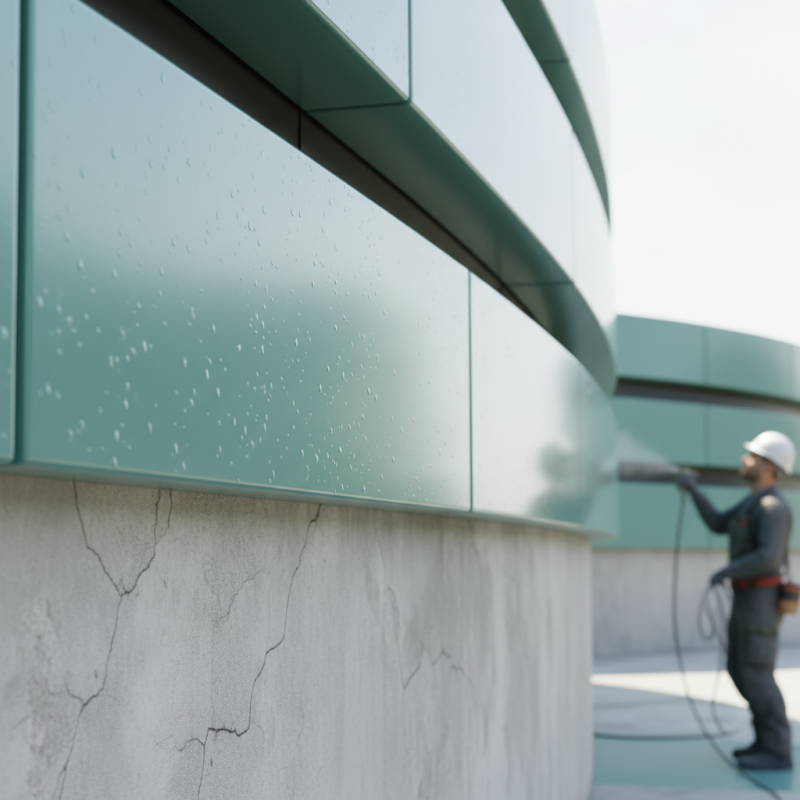
Benefits of Aliphatic Polyurethane Paint in 2026 Projects
Aliphatic polyurethane paint is gaining popularity in 2026 projects. This type of paint is known for its exceptional durability and UV resistance. Unlike other paints, it maintains color vibrancy over time. This feature is crucial for outdoor applications and projects requiring long-lasting aesthetics.
One major benefit of aliphatic polyurethane paint is its resistance to abrasion. This characteristic makes it an ideal choice for high-traffic areas. It withstands wear and tear effectively, reducing the need for frequent touch-ups. Additionally, it offers excellent chemical resistance. This quality is significant for industrial settings where exposure to harsh substances is common.
Tips: When using this paint, ensure proper surface preparation. A clean and well-prepped surface ensures better adhesion and lasting results. Also, consider the application method—brush, roller, or spray—based on the project’s scale. Experimentation can lead to discovering the most efficient approach.
Another important detail is drying time. Aliphatic polyurethane paint generally dries slower than other alternatives. This can be a drawback, especially for time-sensitive projects. However, this drying period allows for smoother finishes. Planning your project timeline accordingly can mitigate any potential delays.
Durability and Weather Resistance of Aliphatic Polyurethane Paint
Aliphatic polyurethane paint is gaining popularity for 2026 projects due to its exceptional durability and weather resistance. This type of paint forms a tough film that protects surfaces from harsh environmental conditions. It resists UV rays, preventing fading and chalking over time. This resilience is crucial for outdoor applications, where exposure to sunlight and moisture is a constant concern.
When selecting aliphatic polyurethane paint, consider these tips for optimal results. Ensure the surface is clean and dry before application. A well-prepared surface enhances adhesion and longevity. Test the paint in a small area first. This helps assess the finish and color accuracy.
While aliphatic polyurethane offers durable protection, it's essential to reflect on its application process. Improper mixing can lead to uneven texture. Environmental factors, like humidity and temperature, can impact drying times. These nuances require attention for a successful project outcome. Each step demands careful consideration to maximize the paint's benefits and performance.
Application Techniques for Aliphatic Polyurethane Paint in Various Environments
Aliphatic polyurethane paint is gaining traction for various projects in 2026 due to its robust application techniques across different environments. This paint offers exceptional durability, especially in exterior settings where UV resistance is crucial. Studies indicate that it can withstand weathering effects better than many alternatives. For outdoor applications, it’s vital to prepare surfaces meticulously. Proper cleaning and priming enhance adhesion and performance.
In industrial settings, aliphatic polyurethane paints perform well even at high temperatures. When applied correctly, they maintain their integrity, offering long-lasting protection. To achieve optimal results, it's important to apply in temperatures ranging from 50°F to 90°F. Using a spray technique can ensure even coverage, which is sometimes overlooked.
Tips: Always test a small area first. Pay attention to drying times, as variability exists. Multiple thin coats are more effective than one thick coat. Remember, surface imperfections may emerge if the application isn’t uniform. Take time to evaluate your method for optimal results. In some cases, unexpected issues may arise during curing, so stay attentive to your environment.
Comparative Analysis: Aliphatic vs. Aromatic Polyurethane Paint
When considering paint options for 2026 projects, aliphatic polyurethane paint stands out. It offers an impressive balance between and aesthetic appeal. This coating is resistant to UV light, making it ideal for outdoor use. It retains color and gloss over time, ensuring your surfaces look fresh longer.
In contrast, aromatic polyurethane paint may not offer the same longevity. While it has strong chemical resistance, it tends to yellow when exposed to sunlight. This can affect the visual quality of your finish. Aromatic variants are often less expensive, but they may need more frequent touch-ups, increasing overall project costs.
Aliphatic paints also cure more quickly than their aromatic counterparts. This characteristic can be crucial for tight project timelines. However, the application process can be more complex. Painters must ensure optimal conditions for the best results. It’s worth reflecting on the specific needs of your projects to choose wisely.
Environmental Impact and Sustainability of Aliphatic Polyurethane Paint
Aliphatic polyurethane paint is gaining traction in project planning for 2026. Its environmental impact and sustainability are noteworthy. This paint type is less toxic, reducing harmful emissions. It often has a lower volatile organic compound (VOC) content. This feature means better air quality in the spaces where it is used.
One key advantage is its durability. Aliphatic polyurethane paint can withstand harsh weather conditions. This longevity means fewer repainting cycles, lowering overall resource consumption. It's essential to consider how often you need to refresh your projects. Some users may find it challenging to identify all the available eco-friendly options. Taking the time to research can pay off significantly.
Tips: Opt for suppliers who prioritize sustainability. Check certifications that reflect environmental responsibility. Remember, the initial cost may be higher, but long-term savings are likely. Explore community feedback on various products. This approach helps make informed decisions that benefit both your projects and the environment.
Why Choose Aliphatic Polyurethane Paint for 2026 Projects? - Environmental Impact and Sustainability of Aliphatic Polyurethane Paint
| Criteria | Aliphatic Polyurethane Paint | Comparison with Traditional Paints |
| Durability | High Resistance to UV and Weathering | Lower resistance, prone to fading and chalking |
| Environmental Impact | Low VOCs and Toxicity | High VOCs and harmful substances |
| Application | Easy to Apply and Self- leveling | May require multiple coats and special techniques |
| Maintenance | Lower Frequency of Reapplication Needed | Higher Costs from Frequent Maintenance |
| Sustainability | Biodegradable Options Available | Typically Non-biodegradable |
