Global buyers rarely choose a specialty chemicals supplier by price alone. A coating that fails after six months, an inconsistent pigment lot, or a delayed sample can disrupt an entire production line. Reliability matters.
The specialty chemicals market is broad, covering additives, adhesives, construction chemicals, water-treatment products, and performance materials. MarketsandMarkets forecasts the global market will reach about US$1.08 trillion by 2028, reflecting continued demand for application-specific products. Its estimates depend on category definitions, so buyers should compare suppliers on evidence, not market size alone. Technical documentation, batch consistency, production capacity, and export experience all deserve close review.
ICIS editor Joseph Chang’s coverage of chemicals markets offers a useful expert perspective: shifts in demand and feedstock costs can quickly change supplier economics. That is a practical reminder, not a guarantee of future prices. For buyers, a polished catalogue is not enough. Ask for current specifications, representative samples, quality-control details, and clear lead times. Check whether a supplier can explain how its product performs in your actual process.
This guide examines ten China-based suppliers through a buyer-focused lens. It considers product range, technical support, manufacturing capability, and communication. No ranking can replace a factory audit or product trial. Details matter. Some public supplier information may also be incomplete or outdated, so verify claims directly before making a purchase decision.
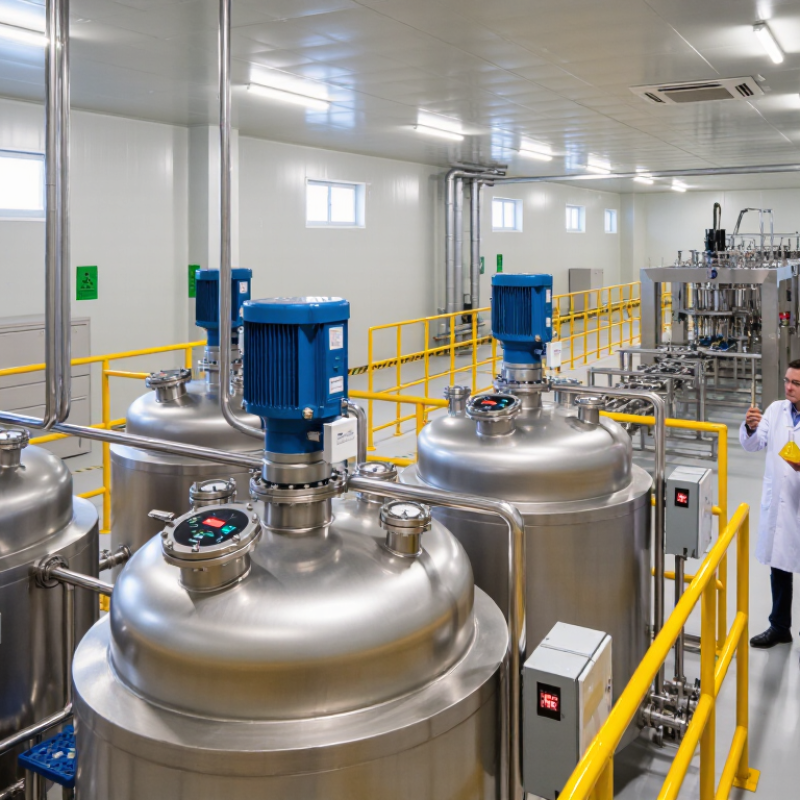
Specialty chemicals are materials designed to deliver a specific function, rather than simply supply large volumes of a basic ingredient. Their performance may depend on a carefully controlled formulation, particle size, purity, or interaction with other materials. The category spans uses in coatings, water treatment, electronics, construction, and personal care. The boundary is not always neat.
A coating additive, for example, can influence flow, drying time, or resistance to wear. Small formulation changes may affect results, so buyers often assess technical data, batch consistency, and application testing together. A specification sheet helps, but it cannot predict every factory condition. That matters.
Across global markets, specialty chemicals support products that need reliable, repeatable performance. Suppliers must manage quality control, technical communication, packaging, and delivery across different production settings. Buyers also need to consider whether a material suits their process, not just whether its listed properties look attractive. Price alone can mislead. Even a well-documented product may require trials, and that uncertainty deserves attention. Strong sourcing decisions combine evidence from testing with clear communication about tolerances, handling, and expected performance.
Specialty chemicals are generally selected for their specific performance or function rather than sold primarily as undifferentiated bulk commodities. This category overview is not a ranking of companies or a verified list of suppliers.
| No. | Specialty Chemical Segment | Typical Products | Common Applications | Role in Global Markets | Key Buyer Checks |
|---|---|---|---|---|---|
| 1 | Adhesives and sealants | Reactive resins, curing agents, tackifiers, and sealant additives | Packaging, construction, automotive assembly, and electronics | Bond or seal different materials in products and infrastructure. | Bond strength, cure profile, substrate compatibility, shelf life, and applicable emissions or chemical rules |
| 2 | Construction chemicals | Concrete admixtures, waterproofing materials, grouts, and repair compounds | Buildings, roads, bridges, and other civil engineering works | Modify workability, setting, durability, or water resistance of construction materials. | Compatibility with local cement, performance testing, dosage guidance, and regional building standards |
| 3 | Coatings additives | Dispersants, rheology modifiers, defoamers, and flow or leveling agents | Architectural, industrial, marine, and protective coatings | Help coatings achieve application, appearance, stability, and protective-performance requirements. | Formulation compatibility, color or gloss effects, storage stability, and restricted-substance requirements |
| 4 | Water treatment chemicals | Coagulants, flocculants, scale inhibitors, and corrosion inhibitors | Municipal and industrial water and wastewater treatment systems | Support contaminant removal and help manage scaling or corrosion in treatment equipment. | Water-specific jar or pilot testing, treatment regulations, dosing controls, and safe handling instructions |
| 5 | Electronic chemicals | High-purity process chemicals, cleaning agents, and specialty process materials | Semiconductor, display, and electronics manufacturing | Enable controlled cleaning and processing where contamination can affect product quality. | Purity and trace-metal specifications, packaging cleanliness, batch traceability, and supply continuity |
| 6 | Catalysts and process chemicals | Reaction catalysts, catalyst supports, and process-specific additives | Chemical manufacturing, refining, and emissions-control processes | Influence reaction rate, selectivity, or process efficiency without being the main product. | Process-specific trials, activity and lifetime data, regeneration needs, and transport classification |
| 7 | Oilfield chemicals | Drilling-fluid additives, corrosion inhibitors, demulsifiers, and scale-control products | Drilling, production, and maintenance of oil and gas wells | Address operating conditions such as fluid behavior, corrosion, and emulsion management. | Compatibility with field fluids, temperature and pressure conditions, environmental requirements, and field testing |
| 8 | Personal care ingredients | Emollients, surfactants, thickeners, and functional formulation ingredients | Skin care, hair care, and cleansing products | Provide formulation functions such as cleansing, conditioning, texture, or stability. | Ingredient identity, impurity and microbiological controls where relevant, safety documentation, and market-specific compliance |
| 9 | Textile chemicals | Dyeing auxiliaries, softeners, pretreatment agents, and finishing chemicals | Textile preparation, coloration, washing, and finishing | Help control processing and impart specified fabric properties or appearance. | Fiber and process compatibility, shade or finish consistency, wastewater considerations, and restricted-substance rules |
| 10 | Rubber and plastics additives | Stabilizers, plasticizers, processing aids, and specialty modifiers | Packaging, consumer goods, automotive components, and industrial materials | Modify processing behavior or selected material properties in polymer products. | Polymer compatibility, migration or use restrictions where applicable, formulation testing, and technical data documentation |
Buyer note: Product specifications, regulatory obligations, transport classifications, and required documentation vary by substance, application, and destination market. Verify current requirements and request product-specific technical and safety documentation before purchase.