Top Trends in China's Chemical Manufacturing Industry for Global Buyers?
As the global market shifts, the chemical manufacturing industry in China stands at a pivotal crossroads. Renowned expert Dr. Jane Liu, a prominent figure in this field, emphasizes, “The future of chemical manufacturing in China blends innovation with sustainability.” This insight highlights the evolving trends buyers must understand.
In recent years, we’ve witnessed a surge in demand for eco-friendly products. Companies are adopting greener practices, focusing on renewable resources. The shift is not just beneficial for the environment, but also creates new business opportunities. However, this rapid transition can sometimes lead to oversights. Companies may rush innovations without thoroughly assessing long-term impacts.
Additionally, global buyers face challenges navigating this dynamic landscape. Understanding local regulations and market shifts is essential. Many may find it difficult to keep pace with these changes. Yet, identifying the trends is crucial. The future of this chemical manufacturing industry in China is promising. However, it requires resilience and adaptability from all parties involved.
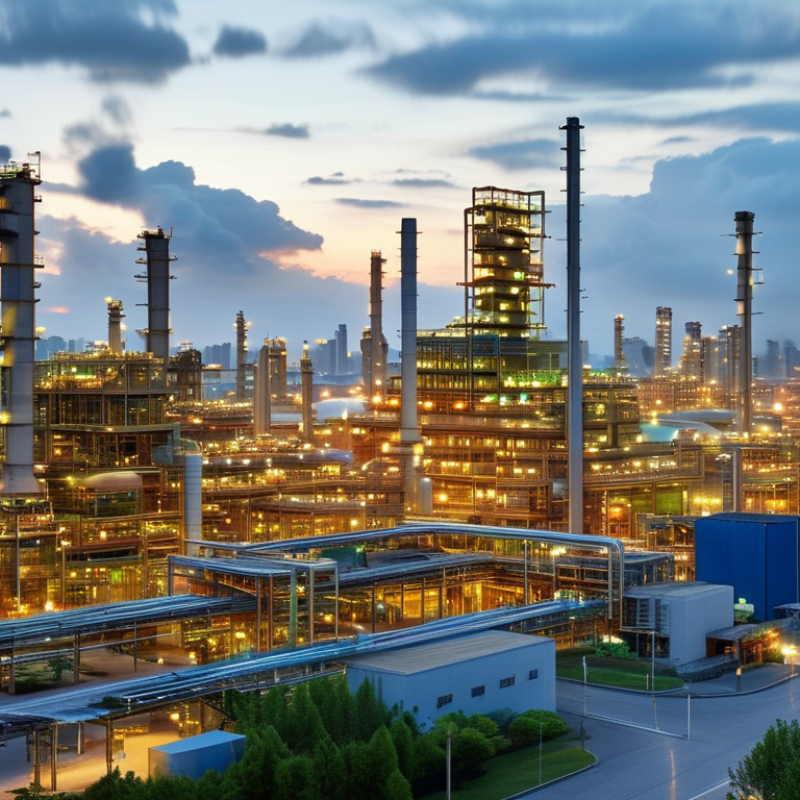
Emerging Technologies Driving Innovation in China's Chemical Manufacturing
China's chemical manufacturing industry is undergoing significant transformation. Emerging technologies play a crucial role in this shift. Advanced automation, for instance, enhances efficiency but also raises concerns about job displacement. Robotics and AI streamline processes, making production faster. However, the workforce must adapt swiftly to these changes to remain relevant.
Another key trend is sustainability. Manufacturers increasingly focus on green chemistry and eco-friendly practices. Innovations in bioplastics and renewable feedstocks present new opportunities. Yet, the transition can be challenging. Balancing production demands with environmental responsibility requires careful planning. Companies may struggle to find that balance.
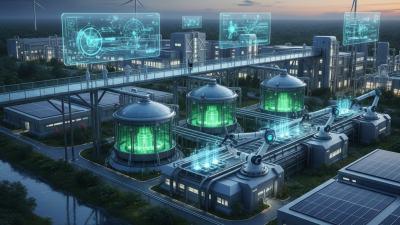
Digitization is also reshaping the landscape. Smart factories integrate IoT technology for real-time monitoring. This promotes greater transparency and data-driven decisions. However, it also poses cybersecurity risks. Protecting sensitive information is a pressing concern as more devices connect. Manufacturers must weigh innovation against potential vulnerabilities.
Top Trends in China's Chemical Manufacturing Industry for Global Buyers
| Trend |
Description |
Impact on Global Buyers |
Emerging Technologies |
| Sustainability |
Increased focus on eco-friendly production methods and materials. |
Global buyers are seeking sustainable suppliers to meet environmental regulations. |
Biodegradable chemicals, green processes. |
| Digital Transformation |
Utilization of IoT and AI for process optimization and efficiency. |
Improved communication and supply chain management. |
Smart factories, predictive maintenance tools. |
| Customization |
Shift towards tailored chemical solutions to meet specific customer needs. |
Enhanced product offerings and customer satisfaction. |
Advanced formulations, modular production systems. |
| Circular Economy |
Focus on recycling and reusing materials to minimize waste. |
Cost savings and compliance with global sustainability goals. |
Recyclable materials, waste-to-energy technologies. |
| Supply Chain Resilience |
Strengthening supply chains against disruptions from global events. |
Secured and stable sourcing for global buyers. |
Blockchain technology, demand forecasting tools. |
Market Growth: China's Chemical Industry Projections for 2025 and Beyond
China's chemical manufacturing industry is set for significant growth by 2025. The market is projected to expand due to rising domestic demand and increased exports. Factors such as urbanization and industry upgrades drive this demand. Buyers should focus on the shift toward sustainable products. Emphasis on green chemistry is gaining traction among manufacturers.
Investing in digital transformation is crucial. Advanced technologies like AI and automation can streamline operations, enhance efficiency, and improve safety protocols. Many companies are still adjusting to these technologies, presenting challenges. Buyers should evaluate not only financial metrics but also technological adaptability.
Stay informed about regulatory changes. Compliance with environmental standards will shape the industry's future. Companies that prioritize sustainability may gain a competitive edge. Buyers should seek partnerships with manufacturers committed to sustainable practices. This commitment indicates future viability in an ever-evolving market landscape.
Sustainability Practices Transforming China's Chemical Production Landscape
Sustainability is reshaping China's chemical manufacturing landscape. Many companies are adopting eco-friendly practices. They aim to reduce waste and minimize energy consumption. This shift is not just a trend; it's becoming essential for global competitiveness. Implementing green technologies helps firms comply with stringent regulations while appealing to environmentally conscious consumers.
Innovative processes are emerging in the sector. For example, some manufacturers are turning to bio-based materials. This move cuts reliance on fossil fuels. Additionally, recycling initiatives are on the rise. Companies are examining how to repurpose waste by turning it into valuable products. However, challenges remain. Investing in sustainable technologies can be costly. Not all companies have the resources to make this transition swiftly.
Global buyers are paying attention to these changes. They seek suppliers committed to sustainability. This trend implies that buyers must assess suppliers based on their environmental practices. The desire for sustainable sourcing is stronger than ever. However, the journey toward full sustainability is complex and ongoing. Transparency will be crucial in this evolving landscape.
The Role of Digitalization in Enhancing Efficiency in Chemical Manufacturing
Digitalization is transforming the landscape of chemical manufacturing in China. It enhances efficiency and productivity across the supply chain. Manufacturers leverage data analytics to optimize operations, improve product quality, and reduce waste. With real-time monitoring, companies can respond swiftly to market demands. Automation streamlines processes, resulting in shorter production cycles and lower costs.
However, the transition to digitalization is not without challenges. Many companies lack the necessary infrastructure to support advanced technologies. Training workers is essential for effective implementation. There is often a gap between digital tools and the skills of the workforce. This disparity can hinder progress and create frustration among employees. Companies must invest in both technology and human capital to achieve full benefits.
Despite these challenges, China's chemical industry is embracing digital transformation. The integration of IoT devices offers valuable insights into manufacturing processes. Predictive maintenance reduces equipment downtime, leading to increased reliability. As manufacturers adapt, the landscape is expected to evolve significantly, pushing the boundaries of efficiency and innovation. The journey towards digitalization is complex but vital for future competitiveness.
Key Global Buyers Shaping Trends in China's Chemical Supply Chain
In recent years, global buyers have been increasingly influential in shaping trends within China's chemical manufacturing landscape. Their demands drive innovation and sustainability efforts among local producers. Buyers are now prioritizing eco-friendly materials and production methods, pushing manufacturers to adopt greener practices. This shift not only affects the supply chain but also encourages advancements in technology.
Moreover, the growing emphasis on supply chain transparency is evident. Global buyers want to ensure ethical sourcing and traceable supply chains. Manufacturers in China must adapt to these expectations. They are investing in digital tools to enhance visibility and accountability. However, this transformation is not without challenges. Some producers may struggle to keep pace with these rapid changes.
Networking plays a critical role in this evolving landscape. Buyers are seeking long-term partnerships with reliable manufacturers. Trust and communication are essential for successful collaboration. As relationships evolve, buyers need to reflect on their own requirements and the kind of support they can offer the manufacturers. This mutual growth can lead to more resilient supply chains.