The growing demand for sustainable agriculture has propelled the market for multi-source biostimulants. According to a recent report by MarketsandMarkets, the global biostimulant market is projected to reach USD 4.1 billion by 2025, growing at a CAGR of 12.8%. This trend reflects farmers' increasing interest in environmentally friendly alternatives to chemical fertilizers.
Within this context, the "MULTI-SOURCE BIOSTIMULANTS SERIES" has emerged as a prominent solution. These biostimulants combine various natural compounds, enhancing plant growth and resilience against stress. Their multifunctional properties can improve soil health and increase crop yields. However, challenges remain in standardizing their application and ensuring consistent results across diverse agricultural practices.
The competitive landscape is evolving, with numerous manufacturers vying for market share. Buyers must navigate quality and efficacy variations among products. It is crucial to assess suppliers based on their expertise and track record. A thorough understanding of local agricultural needs and conditions will help optimize the use of multi-source biostimulants in different regions globally.
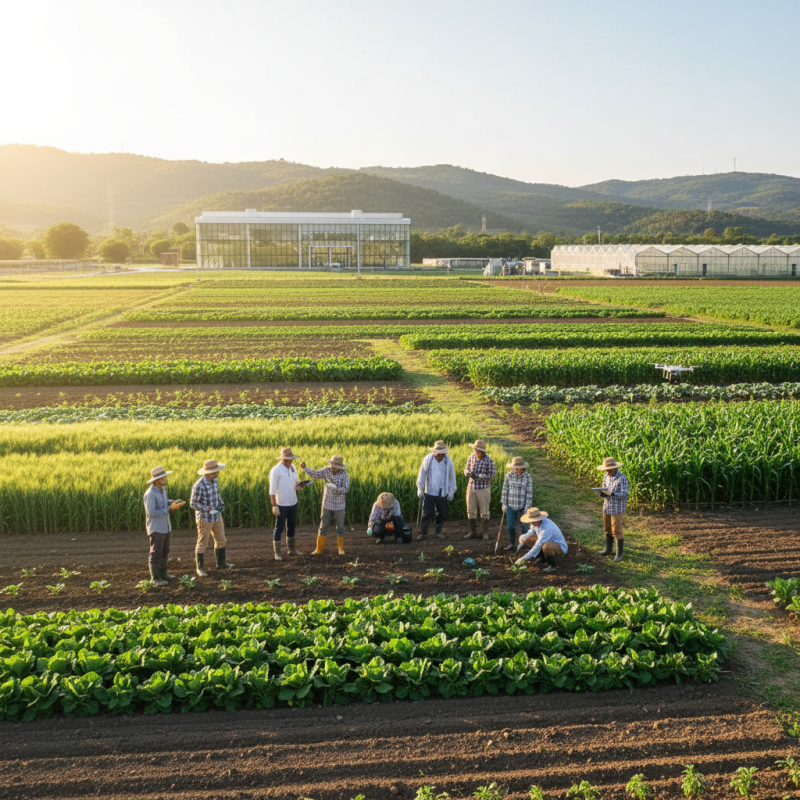
Biostimulants are gaining attention in modern agriculture. They enhance plant growth and resilience by stimulating natural processes. By improving nutrient uptake, they promote healthier crops. The use of biostimulants can lead to reduced reliance on chemical fertilizers. This shift is crucial for sustainable farming practices.
Farmers are increasingly interested in these products. They can help maximize yield while minimizing environmental impact. Many biostimulants come from natural sources, making them appealing. However, the market is flooded with options, which can create confusion. It is essential to choose quality products based on solid research.
Understanding the science behind biostimulants is vital. Not all products deliver the same benefits. Some may over-promise and under-deliver. Ongoing research is necessary to validate claims and optimize usage. Farmers should remain cautious and seek reliable information. Experimentation and feedback are key to improving agricultural practices.
China's multi-source biostimulants are gaining attention globally for their diverse applications in agriculture. These products come from various natural sources, including seaweed, microbial cultures, and plant extracts. They enhance plant growth, improve nutrient uptake, and increase stress tolerance. As more farmers seek sustainable practices, these biostimulants provide an eco-friendly alternative to synthetic fertilizers.
Biostimulants can be categorized into different types based on their origin and function. Seaweed extracts are among the most popular. They contain hormones and nutrients that promote root development. Microbial biostimulants introduce beneficial microorganisms to the soil. These microbes enhance nutrient availability and improve soil health. Plant extracts, on the other hand, stimulate plant metabolism and resilience.
Interestingly, the market is still evolving. Not all biostimulants deliver consistent results across different crops and conditions. Some products may underperform when applied incorrectly. Crop-specific adjustments are necessary for maximum effectiveness. More research is needed to understand the optimal application methods and combinations of these products. As such, buyers should remain cautious and consider trials before large-scale applications.
| Type of Biostimulant | Main Ingredients | Benefits | Application Method | Target Crops |
|---|---|---|---|---|
| Humic Acid Based | Humic Acid, Fulvic Acid | Soil fertility enhancement, Stress resistance | Soil drench, Foliar spray | Vegetables, Fruits |
| Seaweed Extracts | Ascophyllum nodosum | Improved root development, Enhanced nutrient uptake | Foliar spray, Soil application | Cereals, Root crops |
| Amino Acids | Plant-derived Amino Acids | Stimulates growth, Improves stress tolerance | Foliar application, Fertigation | Vegetables, Ornamental plants |
| Microbial Biostimulants | Beneficial bacteria, Fungi | Soil health improvement, Disease suppression | Soil drench, Seed treatment | All crops |
| Organic Biostimulants | Plant extracts, Organic matter | Enhances soil microbiome, Promotes plant growth | Foliar application, Soil incorporation | Fruits, Vegetables, Flowers |
China is emerging as a powerhouse in the biostimulants market. According to a recent report from Market Research Future, the global biostimulants market is projected to reach USD 4.5 billion by 2028. This growth highlights the increasing demand for eco-friendly agricultural solutions. In China, innovative manufacturers are at the forefront of this trend. They focus on plant health and enhance crop yields through natural means.
Key players in China's biostimulants sector are constantly developing new formulations. These include seaweed extracts, microbial products, and humic substances. Research from the China Agricultural University indicates that biostimulants can improve nutrient uptake and stress tolerance in plants. The local production of biostimulants not only supports domestic farmers but also positions China as a global supplier.
However, the industry faces challenges. The regulatory landscape can be complex. Ensuring product quality and efficacy remains a concern. Some products do not meet expected performance standards, raising questions about reliability. Buyers must conduct thorough due diligence to verify not only the product but also the manufacturer’s credentials. This cautious approach is vital in a rapidly evolving market.
The global demand for biostimulants is on the rise. Farmers are increasingly looking for effective solutions to enhance crop health and yield. Biostimulants play a key role in this quest. They improve nutrient uptake, stimulate plant growth, and enhance stress resilience. This market shift offers significant export opportunities for Chinese manufacturers.
Recent trends indicate a growing preference for natural and sustainable products. Buyers are keen to source biostimulants that align with these values. The Chinese market is diverse, offering a wide variety of biostimulants. However, sellers must understand the distinct needs of international buyers. Compliance with global standards is essential.
Quality control remains a challenge for many producers. Some lack the resources or expertise to meet rigorous international requirements. This gap presents both risks and opportunities for improvement. Collaborating with experienced partners can enhance credibility. Building trust is crucial. As the global market evolves, staying informed is vital for success.
When considering importing biostimulants from China, regulatory compliance is crucial. Each country has specific regulations governing these products. Ensuring adherence can prevent potential legal issues. Importers must familiarize themselves with local laws regarding agricultural inputs. This knowledge helps streamline the import process.
Many Chinese biostimulants undergo rigorous testing. However, not all products may meet your country's standards. Research is vital. Some products might claim benefits but lack scientific validation. Engage with reliable sources to verify claims. Documentation, including safety data sheets, is often required. Regularly consult regulatory bodies in your area for updates.
Tips: Always request samples before committing. Evaluate their performance on a smaller scale. Establish communication with Chinese manufacturers. Transparency can build trust, ensuring you receive quality products. Checking reviews and feedback from other importers can provide insights, too. Prioritize products with proven efficacy to enhance your overall satisfaction.
Contact our team with questions, product inquiries or challenge us to engineer a solution for you.
Tel: +1 716 433 6764
Fax: +1 716 433 2850
Email: sale@ashymed.com
VanDeMark Chemical Inc.
One North Transit Road
Lockport, NY 14094 USA