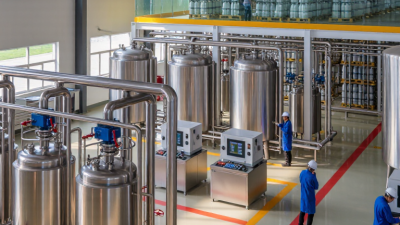
Choosing the best manufacturing chemicals in 2026 is less about chasing a single “green” label and more about matching chemistry to the job. A cleaner may remove oily residue from a steel part, yet damage a nearby seal. A cutting fluid must cool and lubricate without creating avoidable mist or difficult waste. Small details matter. Product selection should be practical, not fashionable. Manufacturers can compare performance data, material compatibility, worker exposure controls, storage needs, and supplier support. Read safety data sheets and technical documents, then test products on the actual production line. Pilot trials catch surprises.
Common options include aqueous cleaners, metalworking fluids, corrosion inhibitors, adhesives, coatings, and water-treatment chemicals. Each serves a different purpose, and no category is automatically the best. Water-based formulations may reduce some solvent use, but could require different drying, corrosion, or wastewater controls. Low-VOC and bio-based claims also deserve scrutiny; labels alone do not prove lower total impact. Ask suppliers for measured results, exposure guidance, and clear handling and disposal instructions. The right manufacturing chemical fits process requirements, site equipment, workforce needs, and environmental goals. Still, the evidence is not always complete. Formulations change, and operating conditions shift. A careful review should be repeated. This guide compares key chemical groups through performance, safety, reliability, and lifecycle considerations, while noting where trade-offs remain. Not every answer is tidy.
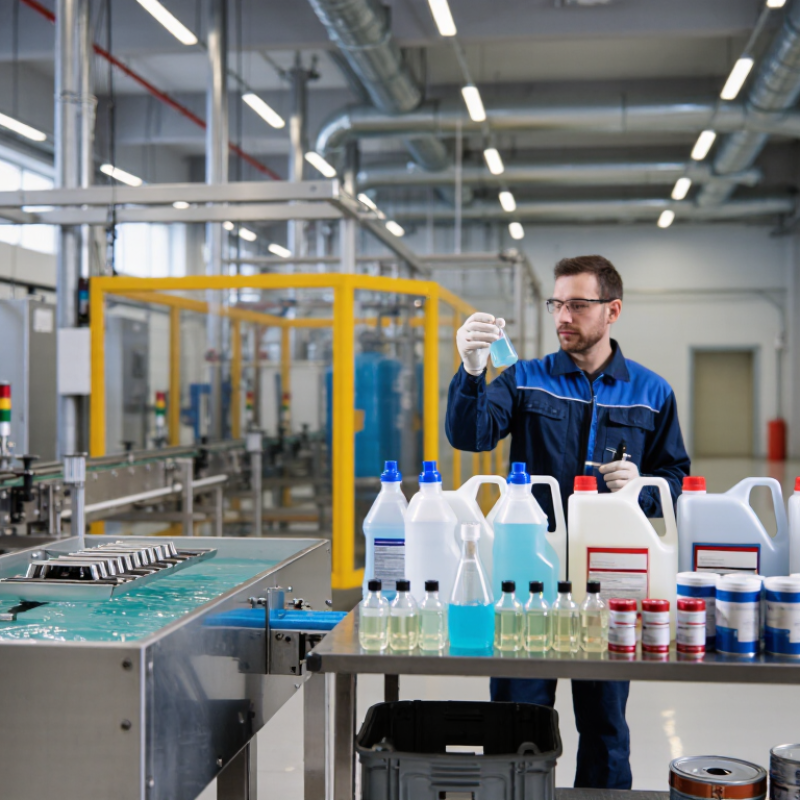
In 2026, “manufacturing chemicals” is best understood by what a substance does in production, not by one fixed product list. The category includes raw materials and intermediates, plus process aids such as cleaners, lubricants, coatings, and water-treatment agents. Some are transformed into products; others help control heat, friction, or residue on a factory line. The distinction matters. Cefic’s Facts & Figures 2024 report estimates global chemical sales at about €5 trillion in 2023, reflecting a vast and varied sector. Sales figures show scale, though they do not define the category.
Classification works on more than one axis. Manufacturers may group chemicals by function, composition, or the stage where they are used. Safety classification is different: the United Nations’ Globally Harmonized System organizes hazards into physical, health, and environmental classes. A solvent used for cleaning, for example, may be classified by its factory role and separately by its hazard profile. Safety data sheets help workers check handling, storage, and protective measures. Not always neatly. One chemical may serve several functions, and classifications can vary with formulation and use. That boundary can blur, so teams should verify current supplier documentation rather than rely on a familiar label.

The most useful manufacturing chemicals are those matched to a process, material, and measurable quality target. In metalworking, alkaline cleaners remove oily residue before coating, while carefully controlled acids may prepare surfaces for finishing. Small changes in concentration or rinse-water quality can leave spots, weak adhesion, or inconsistent results.
Details matter.
Solvents support degreasing and formulation, but many facilities are shifting toward lower-emission options where performance allows. Polymers, resins, and additives help make coatings, adhesives, and molded components; their viscosity and curing behavior affect line speed and finished-part strength.
Lubricants reduce friction in cutting and forming, while coolants carry heat away from tools. On a busy shift, a stable fluid can mean fewer tool changes.
Not every line needs the same blend.
Industrial gases support processes such as controlled-atmosphere heat treatment and welding. Water-treatment chemicals also play a quiet role by limiting scale and corrosion in boilers and cooling systems.
A practical selection process checks compatibility, concentration, storage conditions, worker exposure controls, and performance data from the actual production line. Lab results are useful, but shop-floor conditions can be less tidy.
I would not call one chemical group “best” without seeing the material, equipment, and wastewater demands involved.
Regular testing and clear operating records help teams catch drift before defects spread.
What Are the Best Manufacturing Chemicals in 2026?
How Performance, Cost, and Supply Shape Chemical Choices
The best chemical is not always the one with the highest performance rating. It must work reliably on the production line, fit the process, and arrive when needed. A coating additive that improves durability can still be a poor choice if it slows curing or requires extra handling. Small details matter: viscosity at the mixing tank, residue on equipment, and consistency between batches.
Cost also extends beyond the purchase price. The International Energy Agency’s The Future of Petrochemicals report notes that petrochemicals account for about 14% of global oil demand and 8% of natural gas demand. That exposure makes energy and feedstock swings relevant to chemical budgets. The American Chemistry Council’s 2024 Guide to the Business of Chemistry estimates U.S. chemical shipments at roughly $639 billion in 2023, reflecting a broad, interconnected supply base. Buyers should compare delivered cost, waste, storage needs, and the cost of switching suppliers.
Supply deserves its own test. Check lead times, alternate feedstocks, shelf life, and whether a substitute has been tested on the actual line. A sample that performs well in a lab may behave differently during a hot production shift. No scorecard is perfect. Teams may also overvalue a small unit-price saving and miss the cost of downtime. A practical shortlist weighs performance, total cost, and supply resilience together.
What Are the Best Manufacturing Chemicals in 2026?
Where Key Manufacturing Chemicals Are Used Across Industries
The most useful manufacturing chemicals depend on the job, not a universal ranking. In food processing, approved cleaning agents and sanitizers help remove residues from stainless-steel lines. Water-treatment chemicals control scale and corrosion in boilers and cooling systems. Small details matter. A change in water hardness can affect both equipment life and product consistency.
In electronics production, high-purity solvents and specialty gases support cleaning and controlled processes, where tiny residues can disrupt components. Automotive plants use lubricants, coatings, adhesives, and metal-treatment solutions across machining and assembly. Construction materials rely on additives that adjust concrete setting time, improve sealants, or help coatings resist moisture. Pharmaceutical production uses carefully specified cleaning agents and process chemicals, with documented handling and quality checks.
Choosing a chemical means checking compatibility, worker exposure controls, storage needs, and waste-treatment requirements alongside performance. Specifications and site conditions matter more than broad claims. A detergent that works well on one production line may damage a different surface or leave unwanted residue. That is easy to overlook. Teams should review safety data, validate changes on a small scale, and track outcomes such as corrosion, cleaning time, and product defects. Even careful trials cannot predict every maintenance issue, so operators’ observations deserve attention too.
Examples of where widely used chemical families support manufacturing processes. A dot indicates a common application—not market share, volume, or a ranking.
The right chemical depends on the process, material compatibility, worker-safety requirements, and applicable regulations. This overview highlights established uses; it does not recommend a product or substitute for a process-specific assessment.
“Best” depends on the process, equipment, and people handling each product. A cleaner that works well on steel may damage a polymer seal. Start with the production task, then compare performance, material compatibility, and handling requirements. Check the current safety data sheet and technical documentation before a trial.
Small details matter. A practical evaluation can include a small-batch test, surface inspection, and review of ventilation and protective equipment needs. Record dilution, temperature, contact time, and residue. These details help teams repeat results and spot problems before wider use. If a chemical changes a finish or leaves a film, pause and investigate rather than adjusting by guesswork.
For more sustainable selection, consider water-based options where they meet process needs, along with product concentration, packaging, and waste handling. Ask suppliers for clear composition and disposal guidance, and verify claims with supporting documentation. Track chemical use per production unit; lower use can reduce cost and waste, but only if quality remains consistent. No choice is perfect. A product with a greener profile may need more frequent application, so test the full process, not just the label.
Contact our team with questions, product inquiries or challenge us to engineer a solution for you.
Tel: +1 716 433 6764
Fax: +1 716 433 2850
Email: sale@ashymed.com
VanDeMark Chemical Inc.
One North Transit Road
Lockport, NY 14094 USA