2026 Top Powdered Beets Benefits for Global Buyers
Powdered Beets Benefits are attracting attention from global buyers seeking convenient, plant-based ingredients. Beetroot powder offers concentrated color and a practical format for drinks, bakery mixes, supplements, and other food applications. It can contain naturally occurring betalain pigments and dietary nitrates, though levels vary with beet variety, growing conditions, and processing. That variation matters. Buyers should avoid assuming every powder delivers the same nutritional profile.
For product developers, powdered beetroot may support natural coloring and provide a recognizable vegetable ingredient. Some research links dietary nitrate with effects on blood flow and exercise performance, but results depend on the product, dose, and individual. It is not a treatment, and health claims need careful review. The picture is useful, but not complete. Flavor, solubility, moisture, and heat stability can also affect how the powder performs in a finished product. A bright red sample in a jar may behave differently in a baked mix.
Reliable sourcing begins with clear specifications and current supplier documentation. Ask about country of origin, processing method, microbiological controls, contaminant testing, and batch-to-batch consistency. Check whether stated nitrate or pigment levels are verified, rather than inferred from color alone. Organic and other certification claims should be supported by valid records for the intended market. Small details matter. Even so, no checklist removes every uncertainty; independent testing and application trials can reveal issues before purchase at scale. For global buyers, a balanced assessment of Powdered Beets Benefits means weighing nutrition, functionality, evidence, and supply reliability together.
What Powdered Beets Are and How They Are Made
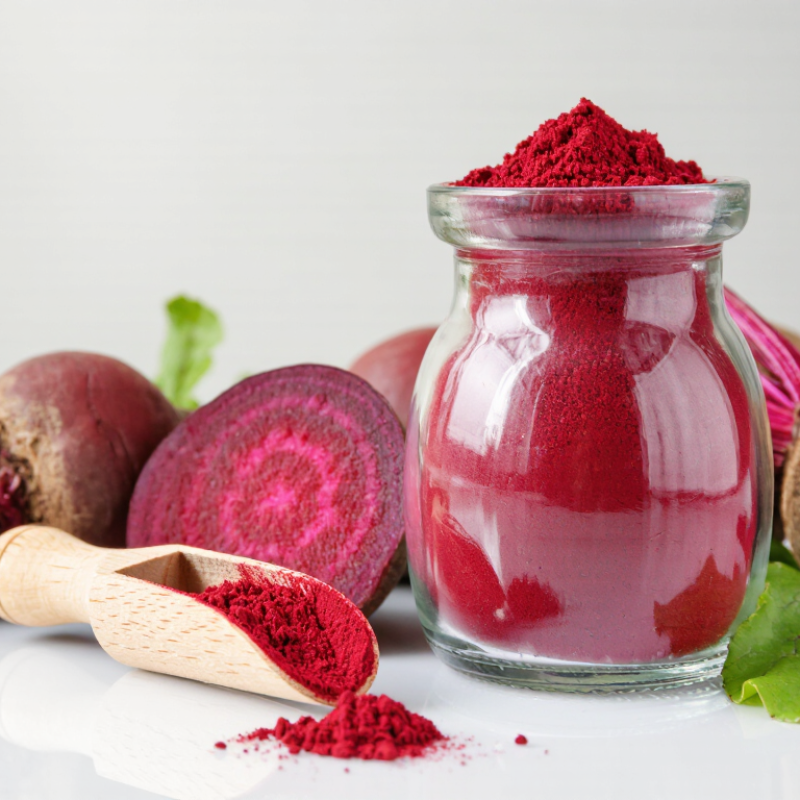
Powdered beets are beetroot processed into a dry, finely ground ingredient. Depending on the product, the starting material may be whole beetroot or beet juice solids. Whole-root powder usually contains the dried flesh and fiber; juice powder is made from concentrated juice and may have a different texture. Color can range from deep burgundy to muted red.
Production generally begins with sorting and washing fresh beets. Workers remove damaged areas, then slice or juice the roots. The material is dried, often with controlled heat, until its moisture is low enough for milling. The resulting flakes or solids are ground and sieved into a consistent powder. Drying temperature and particle size can affect color, taste, and how easily the powder disperses. Details vary by processor, so a vivid shade alone does not prove quality. That distinction is easy to miss.
Tips: Ask suppliers whether the powder comes from whole roots or juice, and request moisture, microbiological, and heavy-metal test information. Check the ingredient list for carriers or added ingredients. A small sample can reveal clumping, earthy aroma, and how the powder behaves in water. Keep it sealed, dry, and away from direct sunlight.
Key Nutrients Found in Powdered Beets
Powdered beet ingredients are valued for more than their vivid ruby color. Their nutrient profile can include folate, potassium, manganese, fiber, and naturally occurring nitrate. USDA FoodData Central lists raw beets per 100 grams with 109 micrograms of folate, 325 milligrams of potassium, 2.8 grams of fiber, and 0.329 milligrams of manganese. These figures describe fresh beets, not finished powder. Drying removes water, but processing methods and ingredient ratios affect the final nutrition label. Small differences matter.
Beets also contain betalains, the pigments behind their deep red and gold hues. Nitrate levels can vary with cultivar, growing conditions, harvest, and processing, so buyers should request batch-specific specifications rather than assume a fixed amount. Check the certificate of analysis and confirm whether values are reported per serving or per 100 grams. That detail is easy to miss. USDA data offer a useful reference point, but they cannot establish the composition of every powdered product. One limitation remains: published nutrient data for fresh beets are more readily comparable than data for powders, which may differ in moisture and testing methods.
Potential Health Benefits of Powdered Beets
Potential Health Benefits of Powdered Beets
Powdered beets offer a concentrated way to add beetroot to smoothies, soups, or yogurt. Their natural dietary nitrates may support the body’s production of nitric oxide, which helps blood vessels relax and supports healthy circulation. Effects vary, and a serving is not a guaranteed performance boost. Keep expectations modest. Beets also contain betalain pigments and other plant compounds studied for antioxidant activity, though powdered products differ in composition.
Beet powder can provide small amounts of nutrients such as potassium and folate, but it should not replace vegetables or a balanced diet. Processing methods affect nutrient levels, and some powders contain little fiber. The flavor is earthy and can turn a drink deep red; that color may also tint the tongue or urine. People with a history of kidney stones, or those managing a medical condition, can ask a health professional whether regular use suits them.
Tips: Check the ingredient list for pure beet powder and review serving size and testing information. Start with a small amount in a smoothie or oatmeal, then adjust for taste and tolerance. For global buyers, request a recent product specification and independent quality results; labels alone do not show every batch’s nitrate content.
Common Uses of Powdered Beets in Foods and Drinks
2026 Top Powdered Beets Benefits for Global Buyers
Common Uses of Powdered Beets in Foods and Drinks
Powdered beets offer food makers a convenient way to add earthy flavor and a deep red-purple hue. The powder blends into smoothies, juice mixes, and drink bases, especially when mixed thoroughly with liquid. In baked goods, it can add color to pancakes, muffins, or pasta dough. Results vary. The final shade depends on the recipe, acidity, and heating time.
In savory foods, beet powder can be stirred into soups, sauces, dressings, and dry seasoning blends. It may also suit snack coatings and plant-based mixes where a mild earthy note fits. For buyers, check the powder’s color, aroma, particle size, and moisture level before choosing a supply. These details affect mixing and consistency. One limitation is easy to overlook: beet flavor can become noticeable when used generously, and strong heat may dull its color.
Tips: Test a small batch first. Add the powder gradually, then adjust liquid if a dough or mix becomes too dry. For drinks, disperse it in a little water before blending. Keep samples sealed, cool, and dry; otherwise, clumping can spoil an otherwise useful ingredient.
How Global Buyers Can Evaluate Powdered Beet Products
2026 Top Powdered Beets Benefits for Global Buyers
How Global Buyers Can Evaluate Powdered Beet Products
Powdered beet can add beetroot color and flavor to drink mixes, soups, and other formulations. Buyers should assess the product itself, not rely on broad benefit claims. Request a current specification sheet showing ingredients, moisture limits, and relevant nutrient data. Color matters. Natural variation between harvests can affect appearance and composition, so ask how the supplier manages batch consistency.
Review recent test reports for microbiological quality, heavy metals, and other contaminants relevant to the intended use. Check that the laboratory and test methods are clearly identified, and confirm that the results match the product lot being offered. Ask about beet sourcing, processing conditions, traceability, and shelf-life evidence. Documentation is useful, but it should be clear and specific.
Test a representative sample in your own recipe. Note its aroma, earthy taste, color after mixing, and whether it settles or clumps. These details can change how much powder your formulation needs. Confirm packaging protects the powder from moisture and light during storage and transport. Label and marketing requirements vary by destination, so review proposed claims with qualified local advisers. Even then, a tidy specification sheet can seem more reassuring than it deserves; practical testing may reveal issues the paperwork misses.
