Global demand for brightening and tone-evening ingredients continues to reshape cosmetic sourcing. McKinsey’s 2023 beauty market report projects annual global growth of about 6% through 2027. That expansion increases pressure on buyers seeking consistent, traceable Beta Arbutin Powder for creams, serums, masks, and professional formulations.
Supplier evaluation must go beyond price and attractive packaging. A reliable partner should provide current Certificates of Analysis, HPLC assay results, microbiological limits, residual-solvent data, and batch traceability. ISO 22716-based manufacturing controls can strengthen confidence, although certification alone does not guarantee every batch will perform equally. Buyers should also confirm particle size, purity specifications, packaging integrity, storage conditions, and shelf-life evidence before placing larger orders.
Regulatory expectations require careful attention. The European Commission’s Scientific Committee on Consumer Safety has assessed arbutin safety within specified cosmetic-use conditions, while requirements differ across markets. Buyers should verify local rules with qualified regulatory professionals before commercialization. This article reviews leading 2026 Beta Arbutin Powder suppliers through practical criteria, including technical documentation, production capacity, quality consistency, communication, and export experience.
A polished website proves little.
Independent testing remains valuable. Even a carefully researched supplier shortlist can contain gaps, especially when public records are limited or outdated. The strongest purchasing decision combines supplier audits, representative samples, specification reviews, and realistic lead-time checks. These steps help global buyers reduce formulation risk without treating any single industry report as a perfect answer.
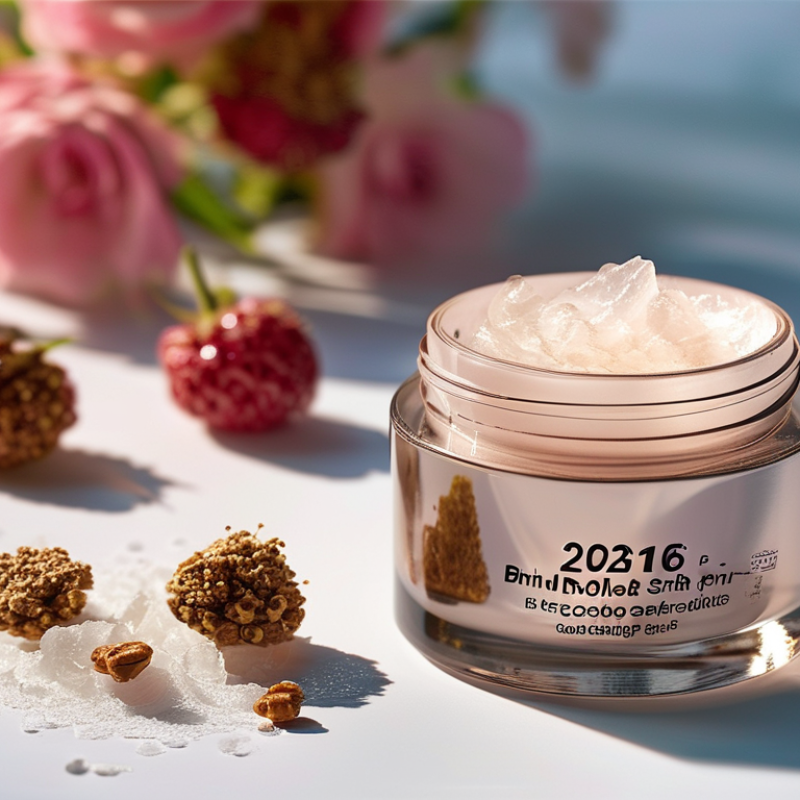
Beta arbutin is a water-soluble cosmetic ingredient used in brightening and tone-evening formulations. It is commonly added to serums, creams, lotions, and spot-care products. The powder usually appears white to nearly white, with a fine texture and mild odor. Its performance depends on purity, formulation pH, storage, and compatible ingredients. It is not a quick fix.
Formulators often assess beta arbutin through HPLC purity, moisture content, microbiological limits, and heavy-metal testing. A clear certificate of analysis matters. So does a retained sample. Buyers should request light-resistant packaging, batch traceability, and transport conditions before placing large orders. Heat and humidity can affect powder quality. A low price may conceal weak testing or inconsistent production. I have seen specifications look impressive while practical documentation remains incomplete.
Global demand is supported by interest in cosmetic ingredients with established formulation records. Buyers in Asia, Europe, North America, and the Middle East may require different labels, dossiers, and impurity limits. Supplier evaluation should include manufacturing experience, quality-system evidence, export capability, and response speed. Regulatory acceptance is not identical across markets, so local review remains necessary. The best supplier is not always the largest one. Sometimes, reliable communication and stable batches matter more. Yet this judgment can be subjective, and it should be checked against independent test results.
Reliable beta arbutin sourcing starts with product identity, not attractive pricing. Ask for the chemical name, CAS number, assay method, and manufacturing date. A recent certificate of analysis should show purity, moisture, heavy metals, residual solvents, and microbiological results. HPLC data is especially useful for verifying assay consistency.
Request a representative sample before approving a large order. Compare its color, odor, particle size, and solubility with the technical specification. White to slightly off-white powder may be acceptable, but unexplained color changes need investigation. Suppliers should provide batch numbers, traceable production records, and sealed packaging details. Keep samples for future comparison.
Documentation also reveals supplier competence. Review the safety data sheet, storage guidance, stability information, and quality-management certifications. Ask how the supplier handles deviations, complaints, and rejected batches. A fast reply is helpful, but it does not prove technical reliability. An on-site audit or independent laboratory test may be worthwhile for high-volume purchases. Not every certificate is equally meaningful. Some documents look complete yet lack test dates or laboratory details. Global buyers should also check destination-market requirements with qualified regulatory professionals, because acceptance standards can differ. Supplier evaluation is never perfectly clean. Judgment still matters.
In 2026, global buyers are comparing beta arbutin powder suppliers by region, not price alone. China remains a major production center, with broad synthesis capacity and export experience. India offers growing chemical manufacturing depth, flexible batch planning, and competitive processing costs. South Korea and Japan often emphasize refined quality systems, tight documentation, and smaller specialty batches. European producers may provide strong traceability, but capacity and pricing can vary.
Reliable suppliers should show GMP-aligned controls, validated testing, and clear batch records. Look for HPLC purity results, residual solvent data, microbiological limits, and stability information. Modern facilities may use controlled crystallization, low-temperature drying, and sealed packaging. These details matter when powder travels through humid ports or remains in storage. Ask about annual capacity, minimum order quantities, lead times, and backup utilities. A factory tour helps, although remote evidence can be incomplete. That limitation deserves honest attention. Buyers should also verify local cosmetic concentration rules before approval.
Tips: Request a recent certificate of analysis and compare it with an independent laboratory test. Check lot numbers across labels, invoices, and test reports. Confirm packaging protects against moisture and light. Do not accept vague claims such as “cosmetic grade” without defined specifications. Price still matters, but an unusually low quote may hide weaker testing or inconsistent supply. Build a small trial order before signing a long contract. Keep written change-notification terms. Good sourcing is practical, not perfect.
Selecting the best beta arbutin powder supplier in 2026 requires more than comparing price and purity claims. Global buyers should request a recent Certificate of Analysis for each production lot. The document should show beta arbutin identity, assay, moisture, appearance, microbiological limits, heavy metals, and residual solvents. HPLC results are especially valuable for confirming composition. A retained sample can support independent testing when results seem unclear.
Certifications should match the intended market and application. Buyers may review ISO quality systems, GMP production controls, allergen statements, safety data sheets, and traceability records. Organic or cosmetic claims require careful verification.
A certificate from an unrecognized source may create more questions than confidence. Check the issuing body, validity period, inspection scope, and covered facility. Small details matter.
Regulatory compliance also needs a country-by-country review. Beta arbutin requirements can differ by product type, concentration, labeling rules, and regional safety assessments. Suppliers should provide regulatory support without making unsupported approval claims.
Ask for manufacturing addresses, change-control procedures, stability data, and transport conditions. Powder exposed to humidity may cake or lose handling quality.
Good documentation is not enough.
A supplier audit, video inspection, or third-party laboratory test can reveal practical weaknesses. Packaging should show lot numbers, net weight, manufacture date, and storage instructions.
I would not rely on a single test report, especially when the report is old. Some evaluations remain imperfect because testing budgets are limited.
That limitation should be recorded, reviewed, and corrected before commercial purchasing.
Choosing the right beta arbutin powder supplier requires more than comparing prices. Global buyers should verify the product’s identity, purity, and production controls before placing an order. Request a recent Certificate of Analysis, testing methods, batch number, manufacturing date, and retest date. HPLC results should match the agreed specification. Ask whether the supplier can provide samples from the same production line used for larger orders. Small details matter.
Tips: Check the supplier’s export experience and response speed. Confirm minimum order quantities, lead times, payment terms, and packaging conditions. A sealed inner bag inside a moisture-resistant carton can protect powder during long transport. Also request shipping documents early. This reduces delays at customs and prevents avoidable paperwork problems. Do not rely on polished product photos alone.
During supplier evaluation, speak with the quality contact, not only a sales representative. Ask how deviations, complaints, and rejected batches are handled. Reliable suppliers explain their process clearly and accept reasonable audits or independent testing. However, no checklist is perfect. I have seen attractive documents hide weak traceability. A second laboratory test may be worthwhile before a large purchase. Buyers should also confirm storage temperature, light protection, and recommended handling conditions. Record every agreed detail in the purchase contract, including specifications, inspection rights, replacement procedures, and delivery tolerances. A supplier’s consistency matters more than one impressive sample.
The chart presents a practical 100-point evaluation framework for beta arbutin powder suppliers. Buyers should prioritize specification compliance, regulatory documentation, batch consistency, and transparent testing before comparing price, minimum order quantity, and logistics. The weights are a general procurement guide and should be adjusted to match the buyer’s application, destination-market rules, and internal quality requirements.
Contact our team with questions, product inquiries or challenge us to engineer a solution for you.
Tel: +1 716 433 6764
Fax: +1 716 433 2850
Email: sale@ashymed.com
VanDeMark Chemical Inc.
One North Transit Road
Lockport, NY 14094 USA